“Friendship dances around the world announcing to all of us that we must wake up to blessedness.”-Epicurus
“Walking with a friend in the dark is better than walking alone in the light.”- Helen Keller
“Without friends no one would choose to live, though he had all other goods.”- Aristotle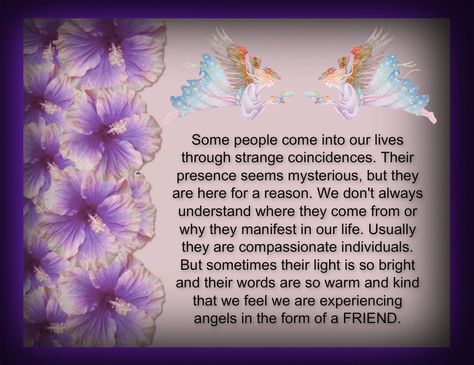
Photo via Pinterest
In this age of virtual friendship, with all our friends on the palm of our hand, in this age of loneliness and isolation epidemic, it seems we are more and more discovering the missing vital ingredient in our lives: Friendship and Connection.
Today, 12 January 2026, I read a very interesting article in the Guardian where the Neuroscientist, Ben Rein, is on a mission to show that being around others not only feels good, but can even improve recovery from strokes, cancer and heart attacks. So why are so many of us isolated and glued to our phones, he asks. More on this later.
Nota bene
Thank You Friends
A Heart-felt Thanks to All Those Who Have Inspired Me
'Every prophet sought out companions.
A wall standing alone is useless, but put three or four walls
together, and they’ll support a roof and keep grain dry
and safe.
When ink joins with a pen, then the blank paper can say
something.
Rushes and reeds must be woven to be useful as a mat. If
they weren’t interlaced; the wind would blow them away.
Like that, God paired up creatures, and gave them
friendship.'- Rumi
Thank you my Friends, I Salute you on this International Day of Friendship
What Can I teach my students in the age of Selfie, Isolation, Virtual friendship and loneliness?
Good on you Ms. Essena O'Neill: Social media 'is not real life'
Now reverting back to the said article:
‘The friendship secret: why socialising could help you live longer’
“Our brains have been shaped to make us want to be around others, because that’s good for our survival,” Rein says. When we release oxytocin in interactions with others, it “triggers this downstream effect, which is stimulating two very powerful neurotransmitters at the same time, serotonin and dopamine”. Dopamine, he explains, “is the brain’s way of saying what you’re doing right now is good for you and you should keep doing it again; serotonin is linked to mood”. The two together are “incredibly powerful at making us feel good”, he says.
If connecting feels so good, why aren’t we doing it more?...’Compounding that is the very modern problem of the internet. Online socialising – from WhatsApp groups to video calls – might have become vastly more popular since the pandemic, but it’s a pale imitation of the real thing for our brain’s social reward systems. “When you see facial expressions, you hear vocal tone, you see body language, you smell social smells, you experience eye contact, all of these things feed into the brain and say you’re interacting with someone.”
“Social media users “are more anxious, more depressed and more lonely, which is the exact opposite of what we see in people who socialise more,” says Rein.
All in all, “By explaining the health benefits, Rein hopes to provide that individual incentive to look outward. But his ambition is actually far more idealistic. “I worry about the way our societies are fracturing. If this book can convince people that talking to a stranger, giving a compliment, connecting positively with people in your life is good for you, then it gives them an incentive to do something that’s good for humanity. When you sleep well, when you go to the gym, it doesn’t make the world a better place. But when you’re nice to people in your community, it actually does make a difference.”-The friendship secret: why socialising could help you live longer
See also: