- Details
- Written by: Kamran Mofid
- Hits: 4358
July is the month of Larkspur & Water Lily,flowers of happiness, love, enlightenment,
resurrection, purity, beauty, creation and divine birth.
'Be in love with life and the living and the world will be a better place.'- Kamran Mofid
July is the first month in the Roman calendar to be named after a historical person, Julius Caesar. His reforms had a lasting effect on the Roman calendar, not least because he had an entire month named in his honour. July was originally called Quintilis, as it was the fifth month in the traditional Roman calendar. However, after Caesar’s assassination in 44 BC, it was renamed iūlius in Caesar’s honour by the Roman Senate as it was the month of his birth.
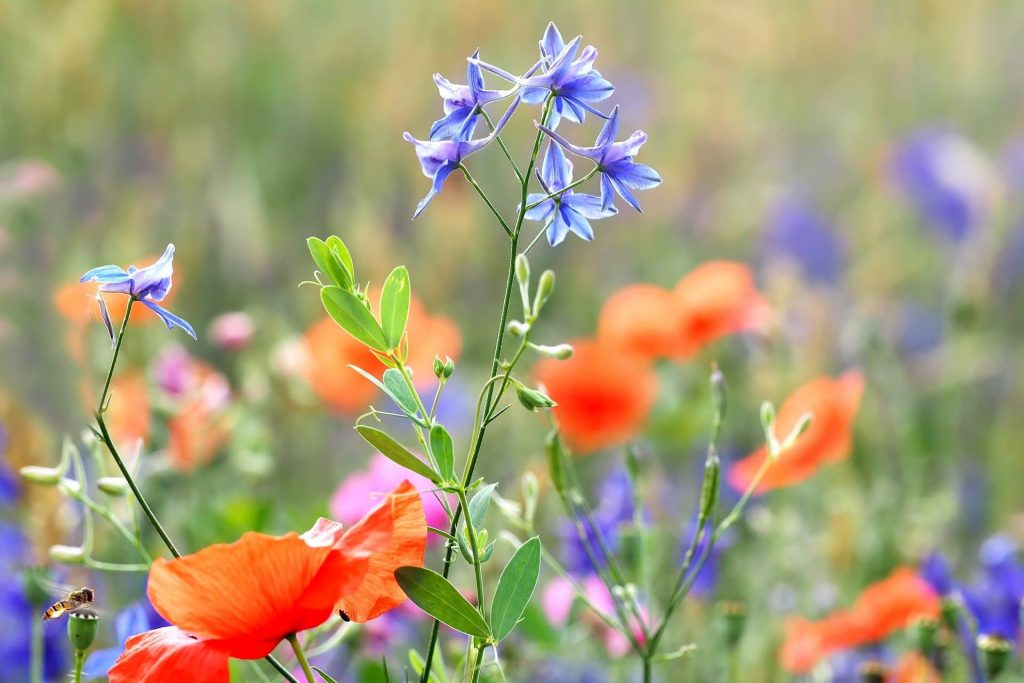
The official birth flowers for July are larkspurs, signifying happiness and love. These popular ornamentals flaunt
tall flower spikes typically in shades of pink, white, and lavender. Photo: Petal Republic
Water Lily: The Other July Birth Flower

Like larkspurs, water lily flowers are significant in many cultures. In Hinduism and Buddhism,
these long-lasting blooms are considered sacred and an important religious symbol.
The flowers signify rebirth and resurrection becausethey close at night and reopen at the crack of dawn.
Since the blooms emerge from the mud, they are also a symbol of enlightenment.
Other meanings of water lilies include purity, beauty, creation, and divine birth.-Photo: Avas Flowers
Last month, I offered some of the finest poems for June, so now I move forward into that even more colourful and hotter summer month of July by offering some beautiful and inspiring poems.
My first offering is by John Clare-“the quintessential Romantic poet”- ‘The Shepherd’s Calendar: July’. After Edmund Spenser’s Elizabethan calendar, the most famous ‘shepherd’s calendar’ in English verse is by one of England’s greatest nature poets, John Clare (1793-1864)*.
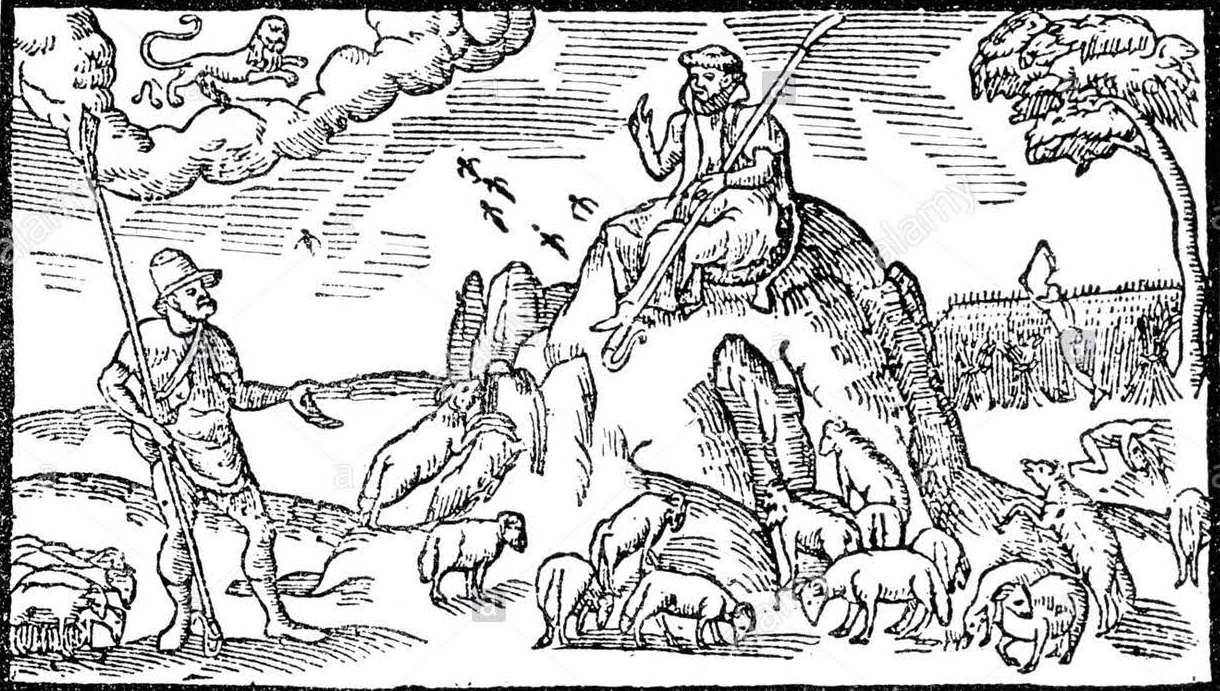
alamy stock photo
The Shepherd's Calendar; July; Illustration to the Poem of the same name by Edmund Spenser, 1579.
‘Daughter of pastoral smells and sights
And sultry days and dewy nights
July resumes her yearly place
Wi her milking maiden face
Ruddy and tand yet sweet to view
When everywhere's a vale of dew
And raps it round her looks that smiles
A lovly rest to daily toils
Wi last months closing scenes and dins
Her sultry beaming birth begins…’ Continue to read
George Meredith, ‘July’, is another lovely poem. Meredith was a noted novelist as well as a poet, whose innovations with the sonnet form were brilliantly displayed in his 1862 sequence Modern Love, about the breakdown of his own marriage. In ‘July’, Meredith (1828-1909) sings the praises of this warm summer month: ‘Blue July, bright July, / Month of storms and gorgeous blue; / Violet lightning o’er thy sky, / Heavy falls of drenching dew; / Summer crown!’*
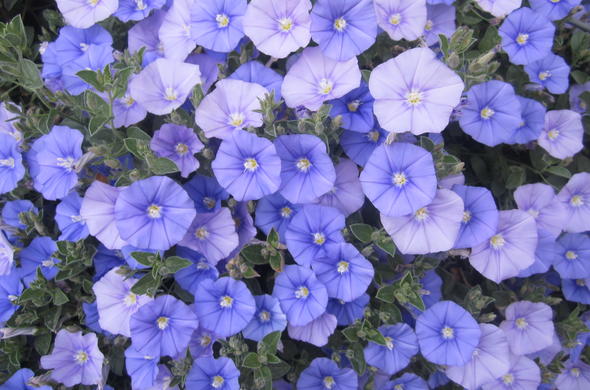
Ground Morning Glory on a beautiful July day. Photo: Pinterest
‘Blue July, bright July,
Month of storms and gorgeous blue;
Violet lightnings o'er thy sky,
Heavy falls of drenching dew;
Summer crown! o'er glen and glade
Shrinking hyacinths in their shade;
I welcome thee with all thy pride,
I love thee like an Eastern bride.
Though all the singing days are done
As in those climes that clasp the sun;
Though the cuckoo in his throat
Leaves to the dove his last twin note;
Come to me with thy lustrous eye,
Golden-dawning oriently,
Come with all thy shining blooms,
Thy rich red rose and rolling glooms.
Though the cuckoo doth but sing 'cuk, cuk,'
And the dove alone doth coo;
Though the cushat spins her coo-r-roo, r-r-roo -
To the cuckoo's halting 'cuk.'..’ Continue to read
And now for a gentle and idyllic reflection on July, I turn to Lewis Carroll's poem Of ‘Alice in Wonderland’: A Boat Beneath a Sunny Sky.
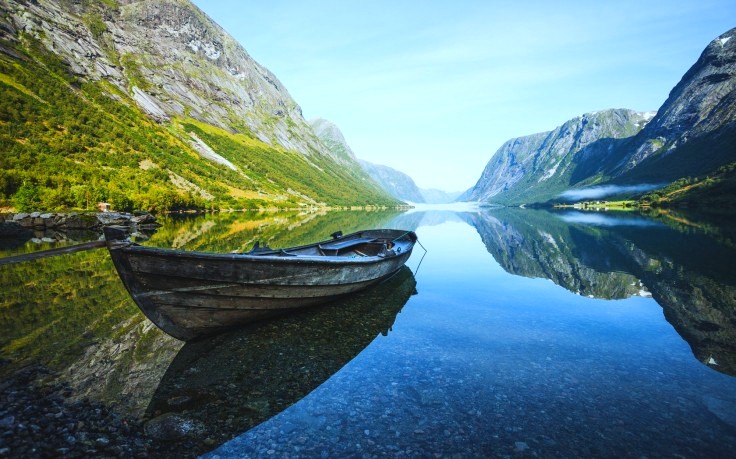
Photo: Nature Poems
‘A boat beneath a sunny sky,
Lingering onward dreamily
In an evening of July —
Children three that nestle near,
Eager eye and willing ear,
Pleased a simple tale to hear —
Long has paled that sunny sky:
Echoes fade and memories die:
Autumn frosts have slain July.
Still she haunts me, phantomwise,
Alice moving under skies
Never seen by waking eyes.
Children yet, the tale to hear,
Eager eye and willing ear,
Lovingly shall nestle near.
In a Wonderland they lie,
Dreaming as the days go by,
Dreaming as the summers die:
Ever drifting down the stream —
Lingering in the golden gleam —
Life, what is it but a dream?’
It's a long hop from Wonderland to the trenches of the first world war, but in poetry all things are possible. On 19 July 1914, Germany declared war on Russia. This event was marked by Anna Akhmatova in a poem called, simply, ‘In Memoriam, July 19, 1914’, in which summer's brief lease takes on a much deeper significance than it had for Carroll . Just under two years later, the soldier-poet Siegfried Sassoon found himself sitting ‘At Carnoy’ enjoying the contentment of a summer sunset, despite the knowledge that morning would bring an engagement that could easily have seen the lease's final termination for him and his comrades.+
In Memoriam, July 19, 1914
BY ANNA AKHMATOVA, TRANSLATED BY STEPHEN EDGAR
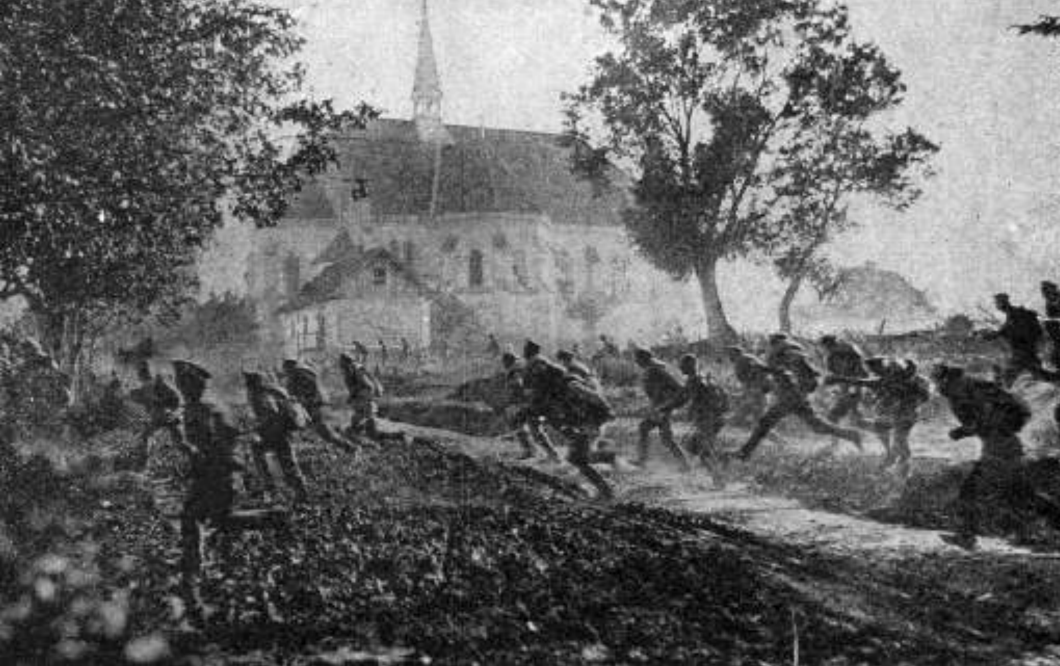
Photo: Prezi
‘We aged a hundred years and this descended
In just one hour, as at a stroke.
The summer had been brief and now was ended;
The body of the ploughed plains lay in smoke.
The hushed road burst in colors then, a soaring
Lament rose, ringing silver like a bell.
And so I covered up my face, imploring
God to destroy me before battle fell.
And from my memory the shadows vanished
Of songs and passions—burdens I'd not need.
The Almighty bade it be—with all else banished—
A book of portents terrible to read.’-Poetry Foundation
At Carnoy
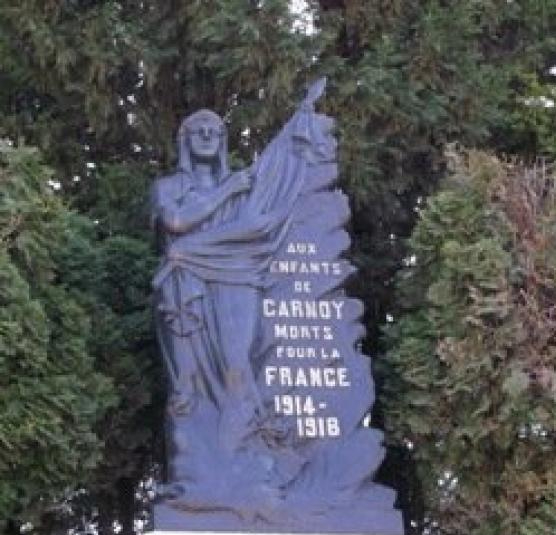
Photo: FranceVoage
‘DOWN in the hollow there’s the whole Brigade
Camped in four groups: through twilight falling slow
I hear a sound of mouth-organs, ill-played,
And murmur of voices, gruff, confused, and low.
Crouched among thistle-tufts I’ve watched the glow
Of a blurred orange sunset flare and fade;
And I’m content. To-morrow we must go
To take some cursèd Wood ... O world God made!’- bartleby
For our friends across the pond, the month of July is one of great national celebrations, and many poets have written odes to the joys of independence to mark the big day.
One that comes to my mind is ‘Fourth of July at Santa Ynez’ by John Haines. In his quiet, understated way, the Haines reminds us of the aboriginal human substratum on which the great edifice of American liberty was built and how that indigenous culture was lost in the process of building.+
Fourth of July at Santa Ynez
BY JOHN HAINES
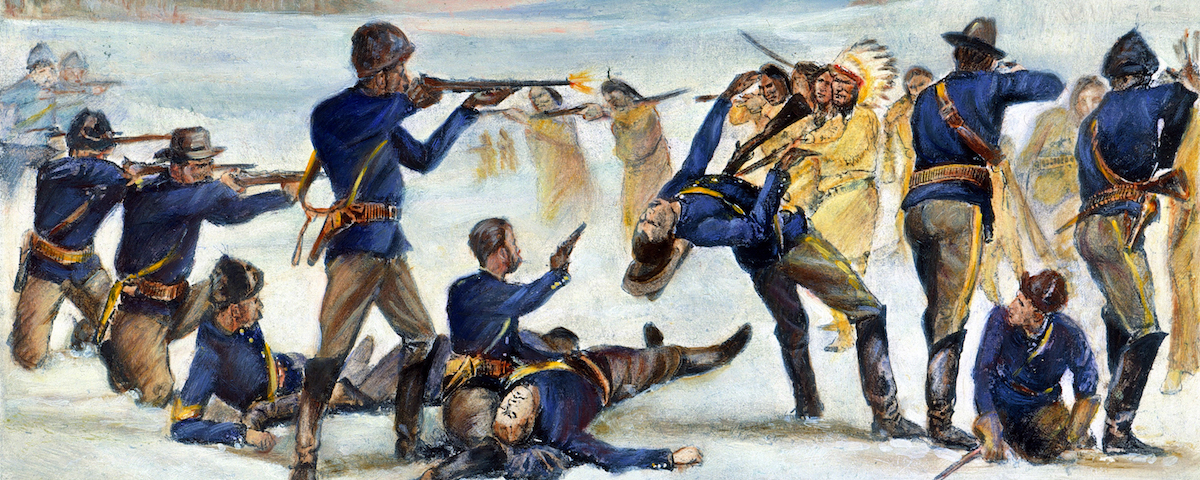
WOUNDED KNEE BATTLE, 1890. Massacre of Sioux Indians at Wounded Knee Creek, South Dakota, on Dec. 29, 1890:
after a drawing by Frederic Remington.-Sarin Images / Granger, NYC Via HistoryNet
‘Under the makeshift arbor of leaves
a hot wind blowing smoke and laughter.
Music out of the renegade west,
too harsh and loud, many dark faces
moved among the sweating whites.
Wandering apart from the others,
I found an old Indian seated alone
on a bench in the flickering shade.
He was holding a dented bucket;
three crayfish, lifting themselves
from the muddy water, stirred
and scraped against the greasy metal.
The old man stared from his wrinkled
darkness across the celebration,
unblinking, as one might see
in the hooded sleep of turtles.
A smile out of the ages of gold
and carbon flashed upon his face
and vanished, called away
by the sound and the glare around him,
by the lost voice of a child
piercing that thronged solitude.
The afternoon gathered distance
and depth, divided in the shadows
that broke and moved upon us . . .
Slowly, too slowly, as if returned
from a long and difficult journey,
the old man lifted his bucket
and walked away into the sunlit crowd.’- Poetry Foundation*
To conclude, I want to look at two of the finest July poems of all. ‘The first is William Wordsworth's Lines Composed a Few Miles above Tintern Abbey, On Revisiting the Banks of the Wye during a Tour. July 13, 1798; the precision of the title makes for an apt prelude to Wordsworth's extended meditation on memory, time and place. The poem itself is a cracker, with none of the awkwardness of phrasing or overenthusiastic mysticism that can sometimes mar his work.
‘The second is Patrick Kavanagh's Inniskeen Road: July Evening. A countryman by birth and inclination, Kavanagh's life and work were characterised, on one level, by the conflict between his reluctance to live in his home place, with all the restrictions it would place on him, and the destructive nature of his hard-living Dublin life. This poem captures his sense of isolation – of alienation from the ordinary life of those around him, from the landscape, and from summer itself.’+
Lines Composed a Few Miles above Tintern Abbey, On Revisiting the Banks of
the Wye during a Tour. July 13, 1798
BY WILLIAM WORDSWORTH
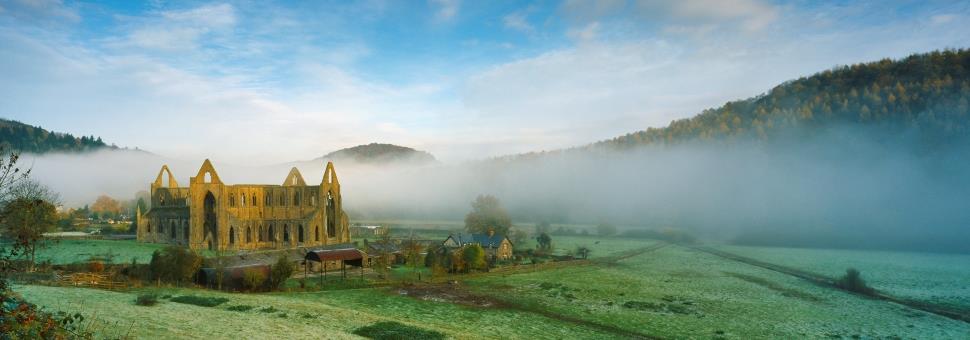
Photo:Visit Monmouthshire
‘Five years have past; five summers, with the length
Of five long winters! and again I hear
These waters, rolling from their mountain-springs
With a soft inland murmur.—Once again
Do I behold these steep and lofty cliffs,
That on a wild secluded scene impress
Thoughts of more deep seclusion; and connect
The landscape with the quiet of the sky.
The day is come when I again repose
Here, under this dark sycamore, and view
These plots of cottage-ground, these orchard-tufts,
Which at this season, with their unripe fruits,
Are clad in one green hue, and lose themselves
'Mid groves and copses. Once again I see
These hedge-rows, hardly hedge-rows, little lines
Of sportive wood run wild: these pastoral farms,
Green to the very door; and wreaths of smoke
Sent up, in silence, from among the trees!
With some uncertain notice, as might seem
Of vagrant dwellers in the houseless woods,
Or of some Hermit's cave, where by his fire
The Hermit sits alone…’- Continue to read
Inniskeen Road: July Evening
By Patrick Kavanagh
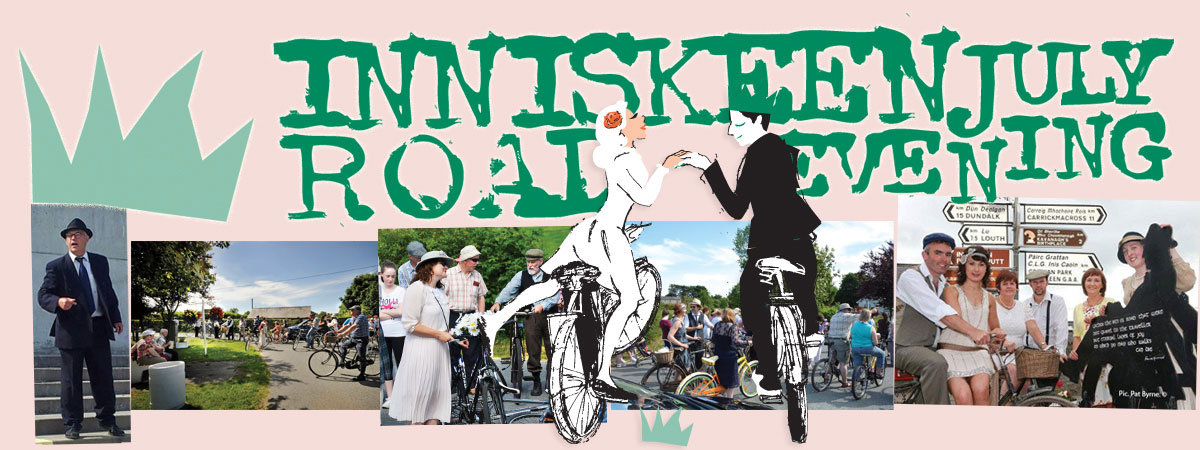
Photo: Monaghan County Council, Ireland
‘The bicycles go by in twos and threes -
There's a dance in Billy Brennan's barn tonight,
And there's the half-talk code of mysteries
And the wink-and-elbow language of delight.
Half-past eight and there is not a spot
Upon a mile of road, no shadow thrown
That might turn out a man or woman, not
A footfall tapping secrecies of stone.
I have what every poet hates in spite
Of all the solemn talk of contemplation.
Oh, Alexander Selkirk knew the plight
Of being king and government and nation.
A road, a mile of kingdom. I am king
Of banks and stones and every blooming thing.’- The Patrick and Katherine Kavanagh Trust
Finally, in the words of Billy Mills+, is your July endless summer, or can you feel an autumn chill on the breeze? Are you in a mood for celebration or for contemplation? Whatever it is, please enjoy these lovely poems and have a wonderful July whilst singing the joys of summer.
+Billy Mills, Poster poems: July
A Selection of Related postings from our archive
'Be in love with life and the living and the world will be a better place.'- Kamran Mofid
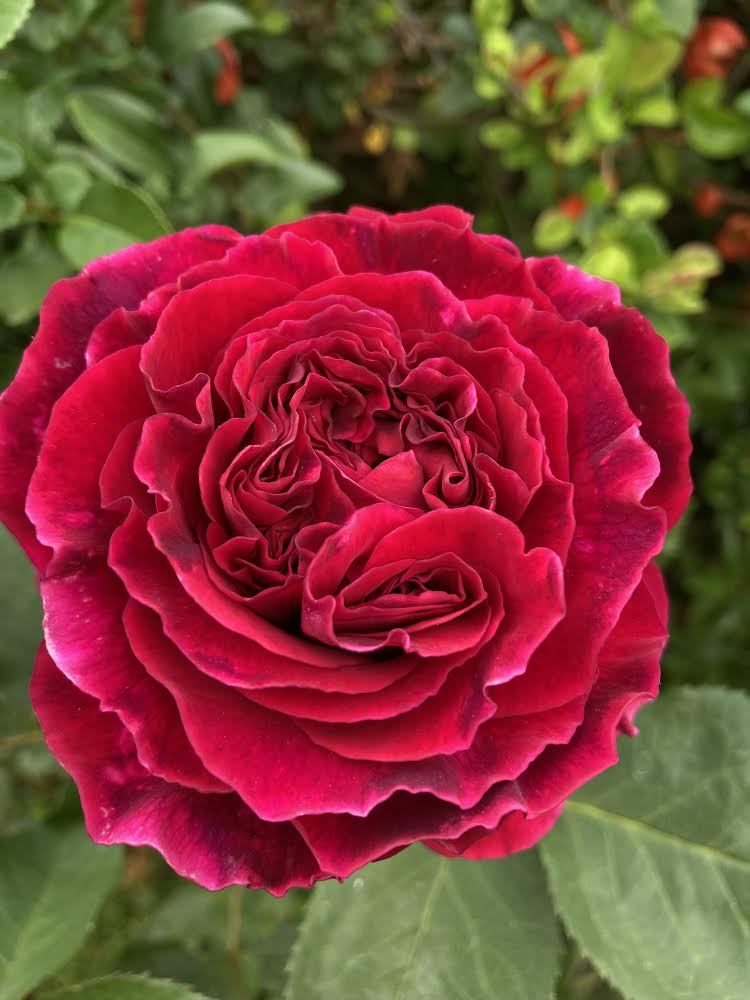
Photo Credit : Kamran Mofid, our garden, Coventry, Friday 11 June 2021
Celebrating the joyous Spring with Hopkins and Wordsworth
Finding sanctuary in poetry during lockdown
Reflecting on Life: My Childhood in Iran where the love of poetry was instilled in me
Poetry is the Education that Nourishes the Heart and Nurtures the Soul
GCGI Celebrates the World Poetry Day
My Poem of the month (January) and our New Year’s Greetings
My Poem of the month (February): Let Hope and Healing Begin to Brighten the Covid Darkness
My poem of the Month: Springing back in April with a Renewed Sense of Hope and Optimism
My Poem of the Month: A Celebration of this Sweet and Merry Month of May
My Poem of the Month: June is the Month of Dreams, Love, Romance and Marriage
My Poem of the month (October): MORḠ-E SAḤAR (Bird of Dawn)
My Poem of the month (November): Reimagined Garden
My Poem of the month (December): The Emerging of a New Consciousness and Hopefulness
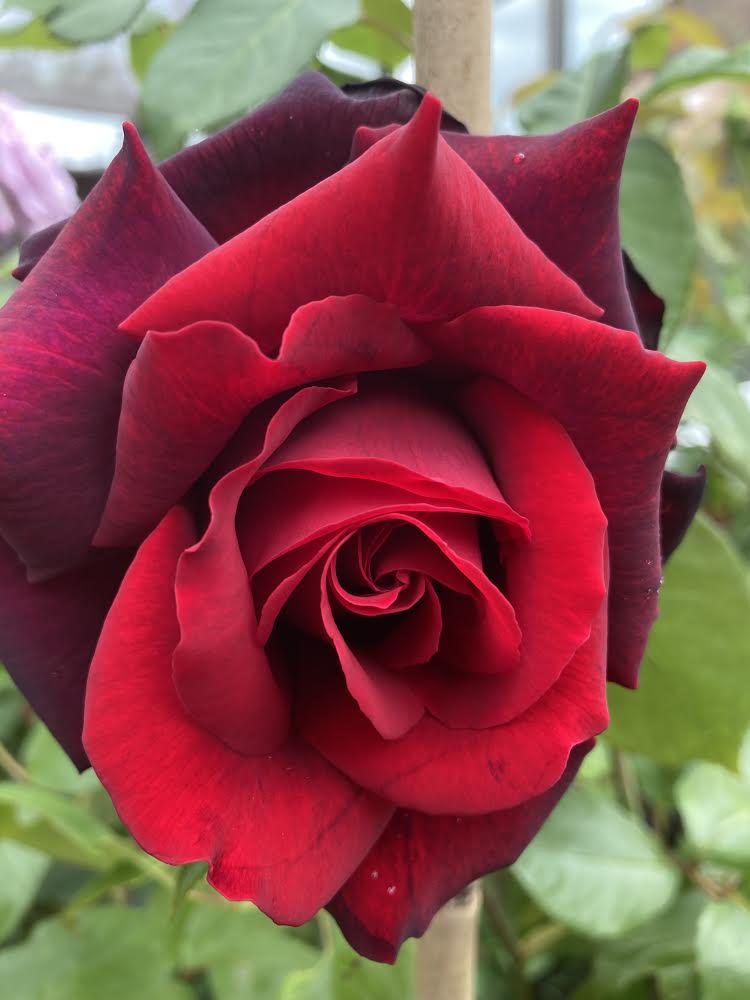
Photo Credit (: Kamran Mofid, our garden, Coventry, Friday 11 June 2021
- Details
- Written by: Kamran Mofid
- Hits: 3160
'A degraded habitat will produce degraded humans. If there is to be any true progress,
then the entire life community must progress.'―
As our home- the planet earth- faces the most dangerous century in its 4.5bn-year history, we look to Mother Nature for her wise and passionate guidance on what the future holds for our Sacred Mother Earth and us all.
'Nature and Me: Discovering the joy of the world around us'
'Be in love with life and the living and the world will be a better place.'- Kamran Mofid
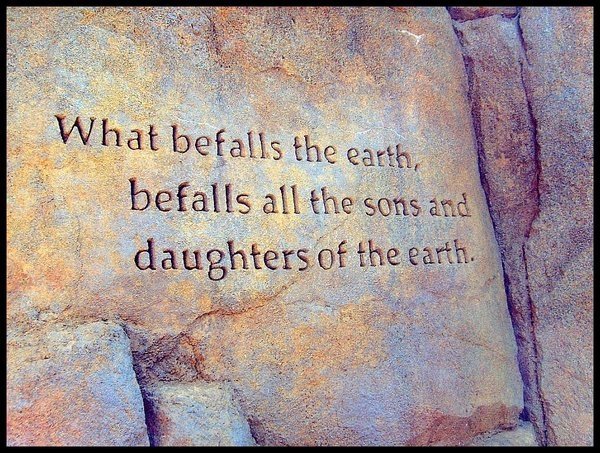
Chief Seattle.Photo:whitewolfpack.com
The Sweetness of Being Human: ‘We have all of us one human heart.’
'Treat the earth well: it was not given to you by your parents, it was loaned to you by your children. We do not inherit the Earth from our Ancestors, we borrow it from our Children.'-
- Details
- Written by: Kamran Mofid
- Hits: 1746
Co-Creating A Better World With Mindful Photography
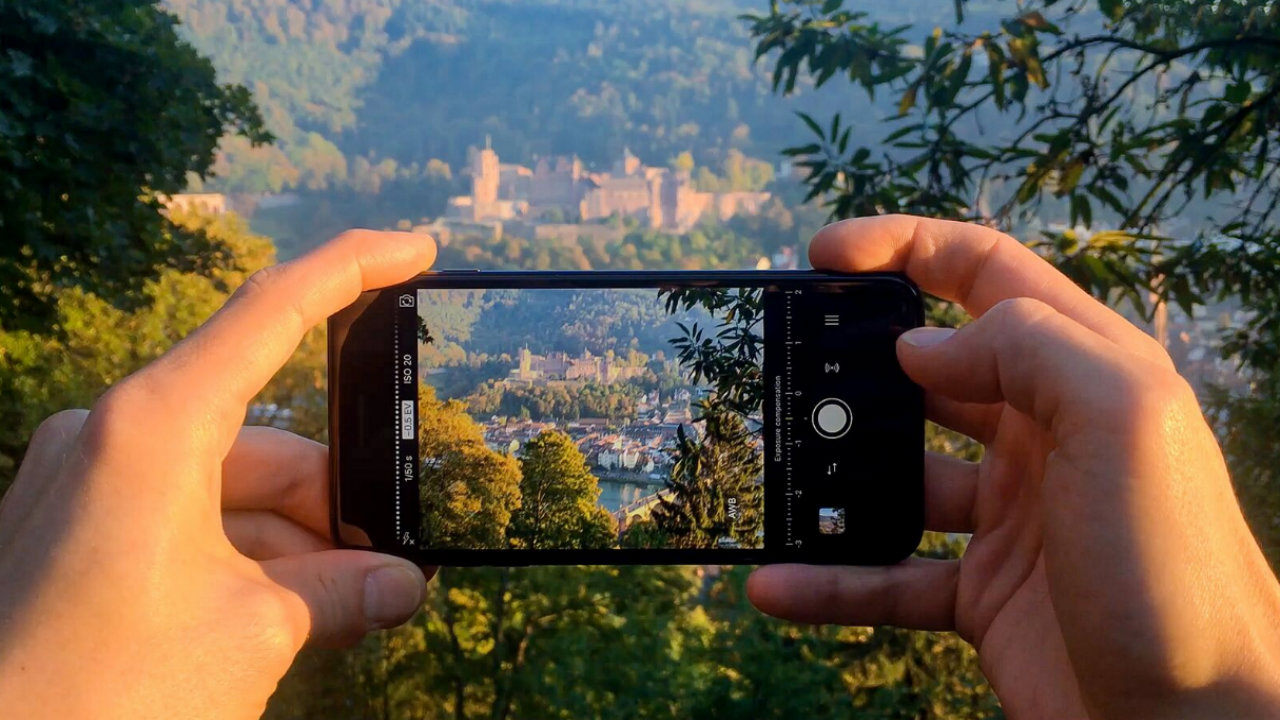
Photo:NewsWatch
A Path to Nurture the Power of Gratitude Through Mindful Photography
‘Be in love with life and the living and the world will be a better place.'- Kamran Mofid

Photo:Living2Inspire
Whilst reading the New York Times Well Newsletter of 3 June 2021*1, the following piece caught my eyes. I began to read and found it very interesting and helpful. Hence my reason for wishing to share it with our readers.
‘Please take a moment to enjoy this photo of a rainbow cloud*, also known as an iridescent cloud. It’s a rare phenomenon that occurs when small water droplets or ice crystals in the cloud scatter the sunlight.
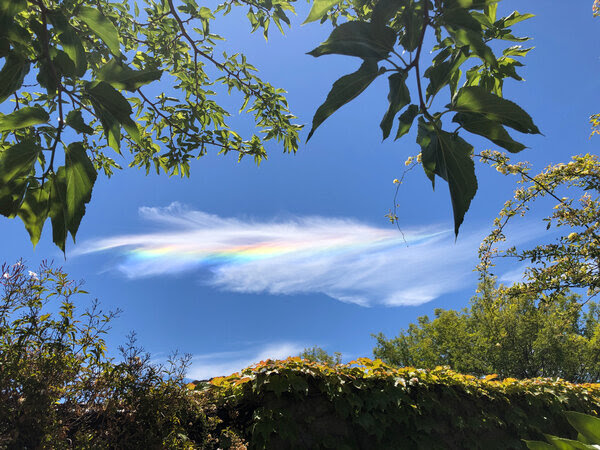
Rainbow Clouds, Suzy Kosh of Pacifica, Calif., was grateful to spot a rare iridescent cloud. Photo: Suzy Kosh
‘The picture was taken by Suzy Kosh of Pacifica, Calif., during our recent Fresh Start Challenge**. I asked readers to take a fresh look at the people, places or things in their lives and snap a photo. It’s a simple gratitude practice+ based on science. One study found that mindful photography++ can be a fun and easy way to savor everyday experiences and cultivate gratitude. For the research, college students were instructed to take photos of things that brought them joy or felt meaningful to them. During the study, the students used their phone cameras to take pictures of campus buildings, blooming flowers, friends hanging out in the quad or objects in their dorm rooms.
‘Overall, the students who took mindful photographs felt happier and more appreciative of college life compared to a control group that took photos of uninspiring things like bike racks. And the researchers found that mindful photography worked just as well at improving well-being as a traditional gratitude journal practice.’
I’ve adopted this new practice in my own life. Although, I still need to learn and practice more, nonetheless, I have tried to incorporate mindful photography and gratefulness in all I do, as reflected in many of my postings on the GCGI.INFO
*1 New York Times Well Newsletter of 3 June 2021
+ It’s a simple gratitude practice
A Selection of Related postings from our archive
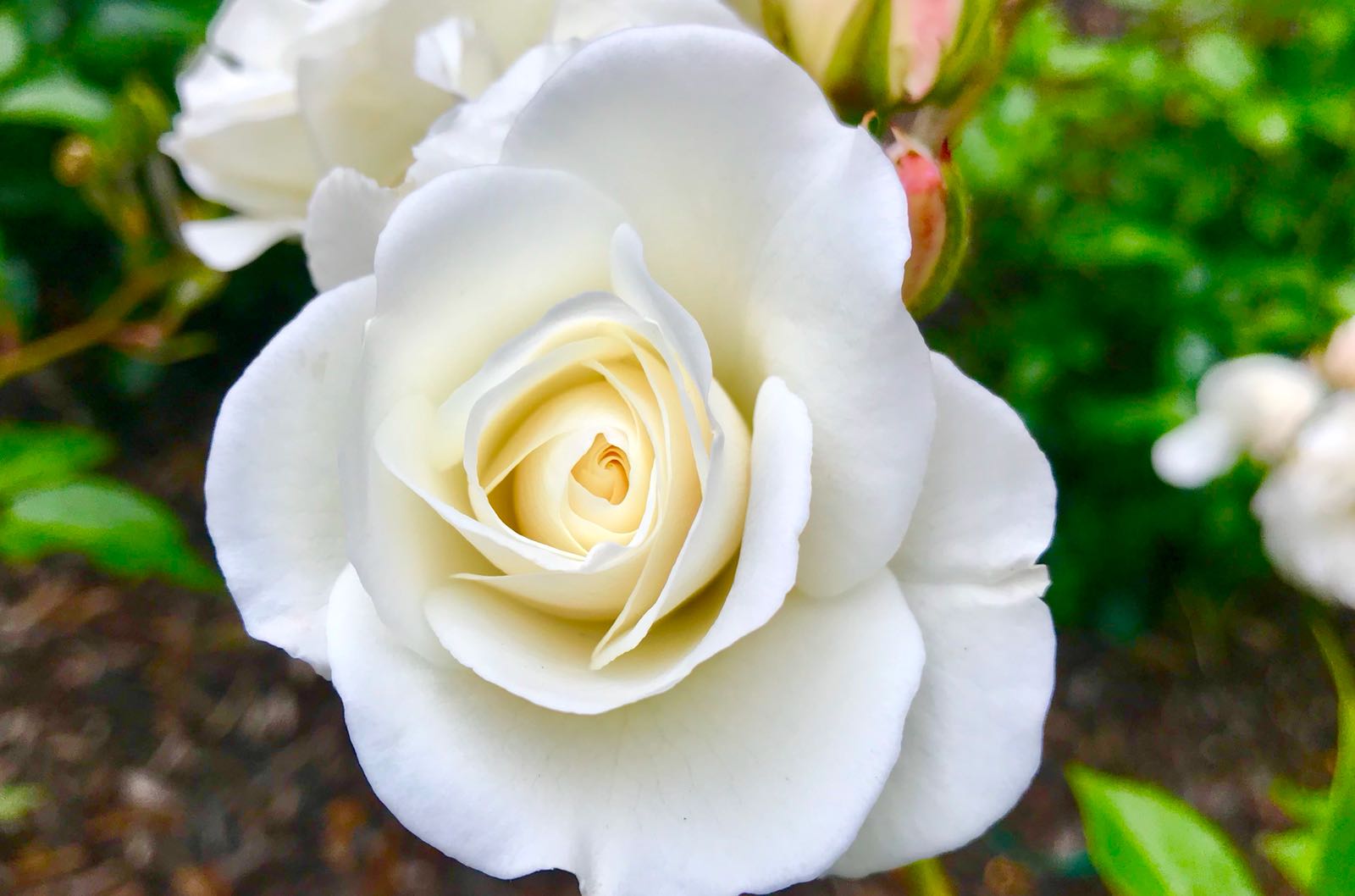
Photo: Kamran Mofid, our garden, Coventry, June 2020
In mindful nature photography we can see birds, butterflies, trees, shurbs, hedges, plants and
flowers with different eyes and different mindset
Opening Remarks: In Gratitude for your Friendship and Support
Why Love, Trust, Respect and Gratitude Trumps Economics
My Poem of the Month: June is the Month of Dreams, Love, Romance and Marriage
Finding sanctuary in poetry during lockdown
Are you physically and emotionally drained? I know of a good and cost-free solution!
Nature the Best Teacher: Re-Connecting the World’s Children with Nature
On the 250th Birthday of William Wordsworth Let Nature be our Wisest Teacher
A Beautiful and Inspiring Path to Repair Our Relationship with Life
The beauty of living simply: the forgotten wisdom of William Morris
‘Be in love with life and the living and the world will be a better place.'- Kamran Mofid
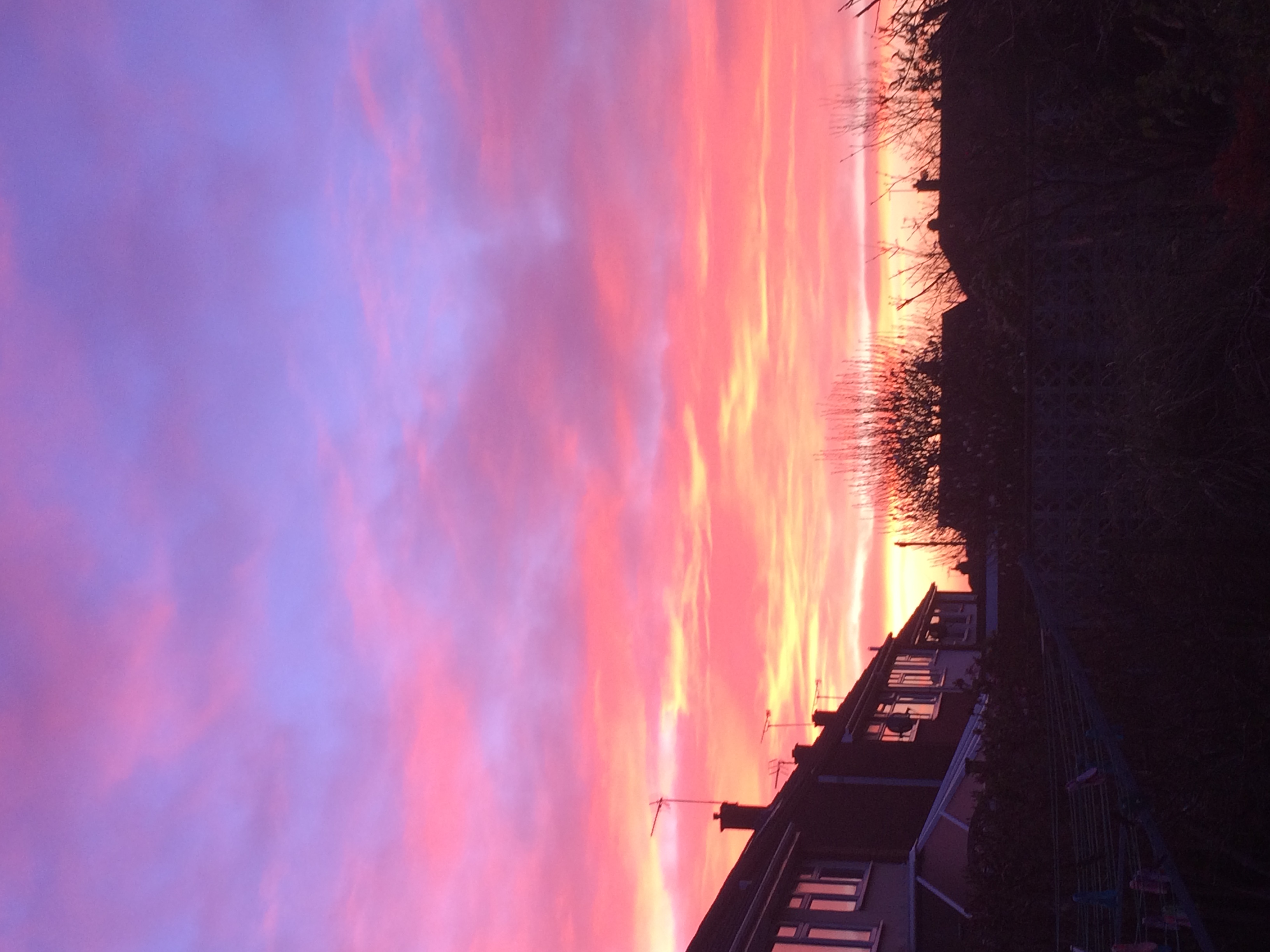
A beautiful sunrise from our garden in Coventry. April 2020. Photo: Anne Mofid
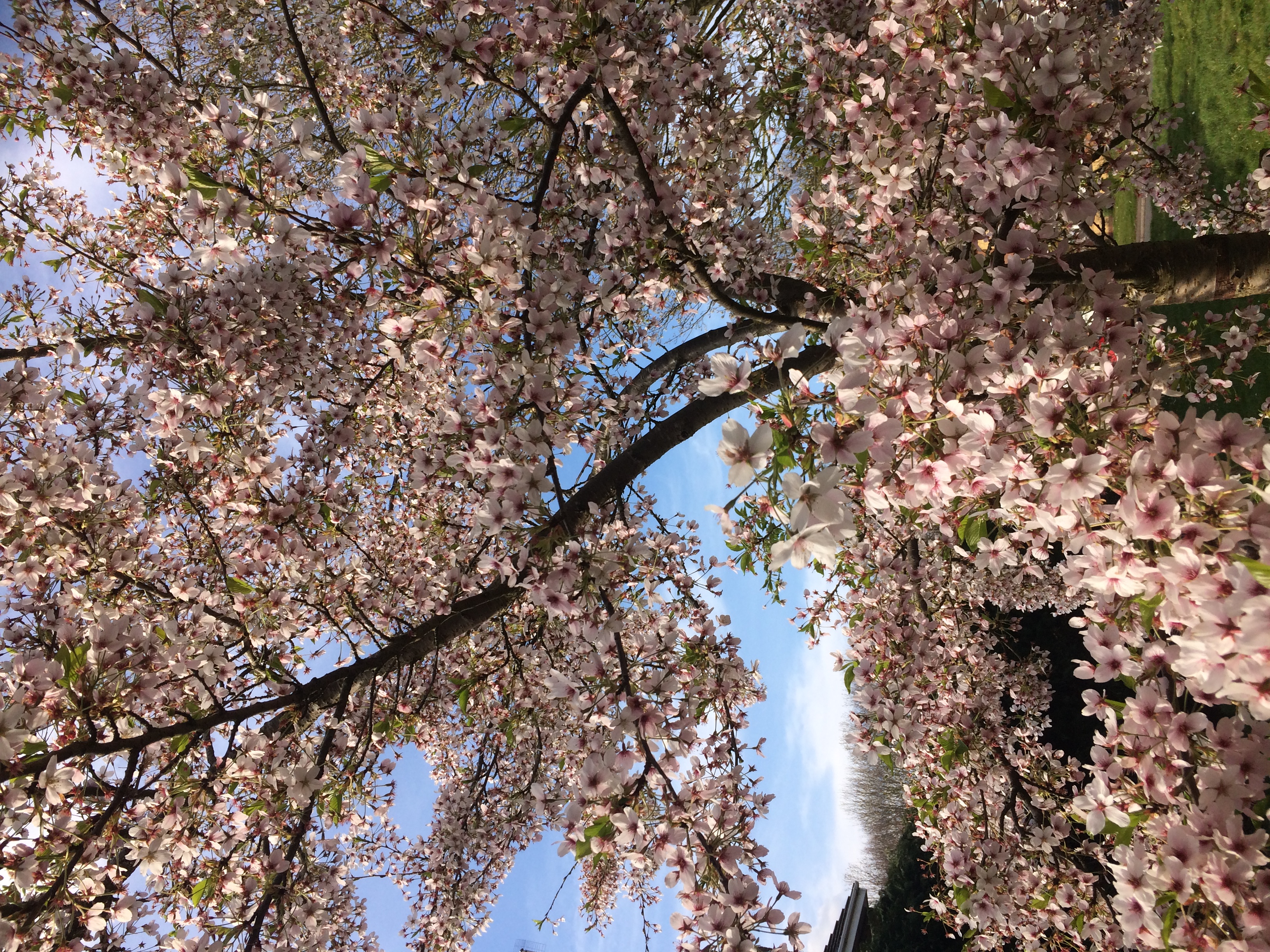
Beautiful cherry blossoms, our street, Coventry, April 2020. Photo: Anne Mofid
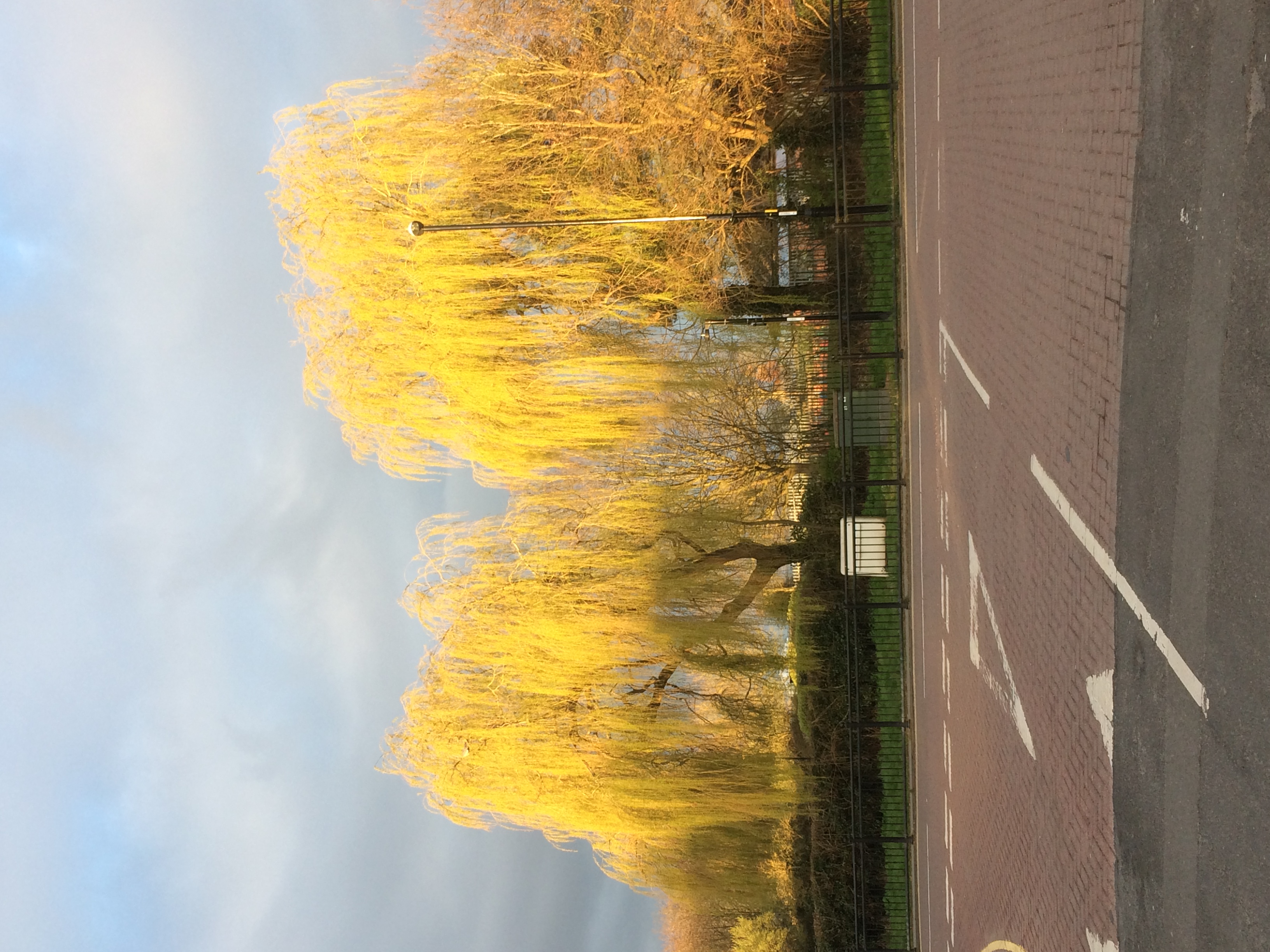
A lovely early morning stroll, Green Lane, Coventry, March 2020. Photo: Anne Mofid
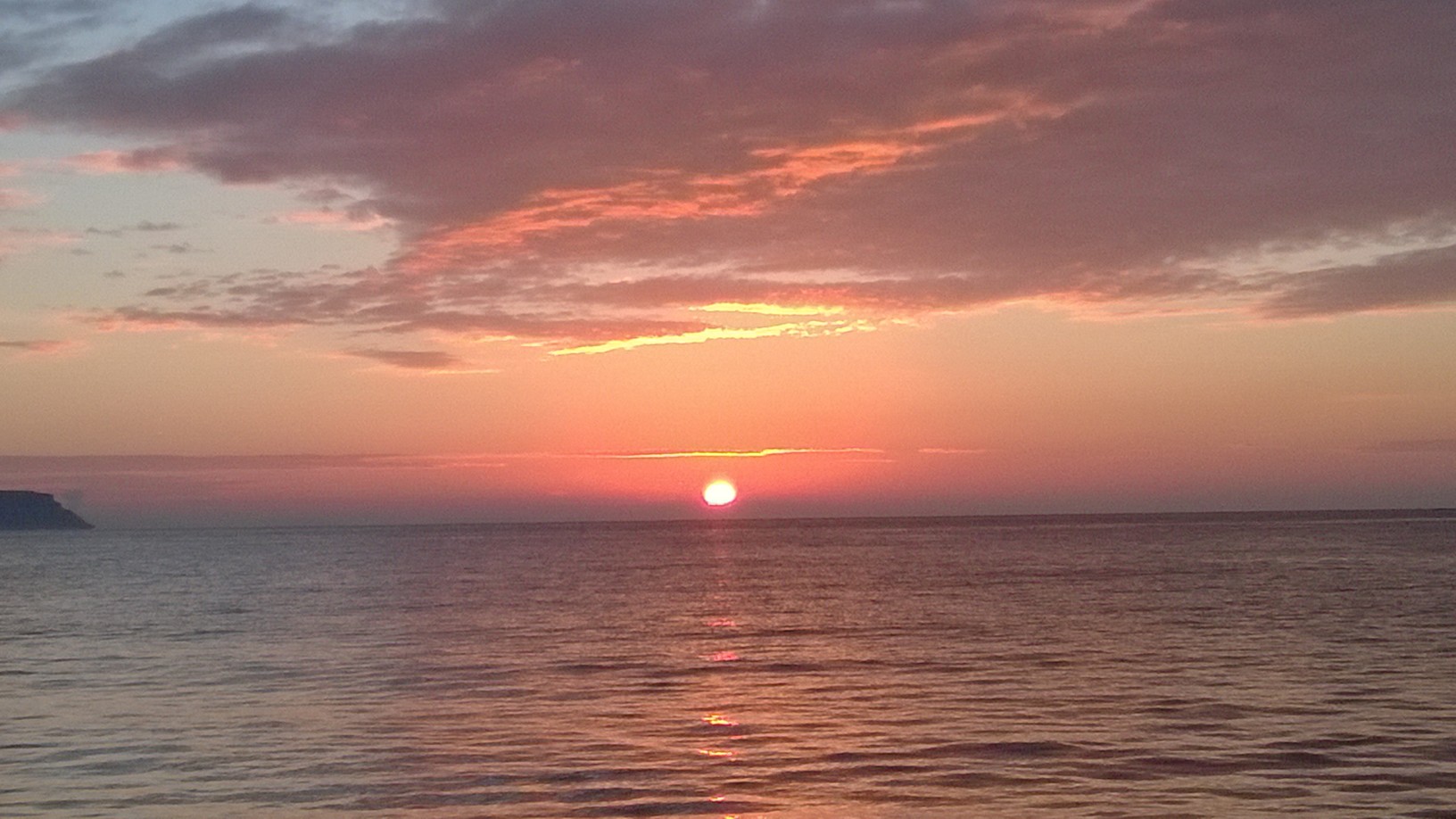
A Simple Day at Oxwich Bay, South Wales, GB- October 2015Photo: Anne Mofid
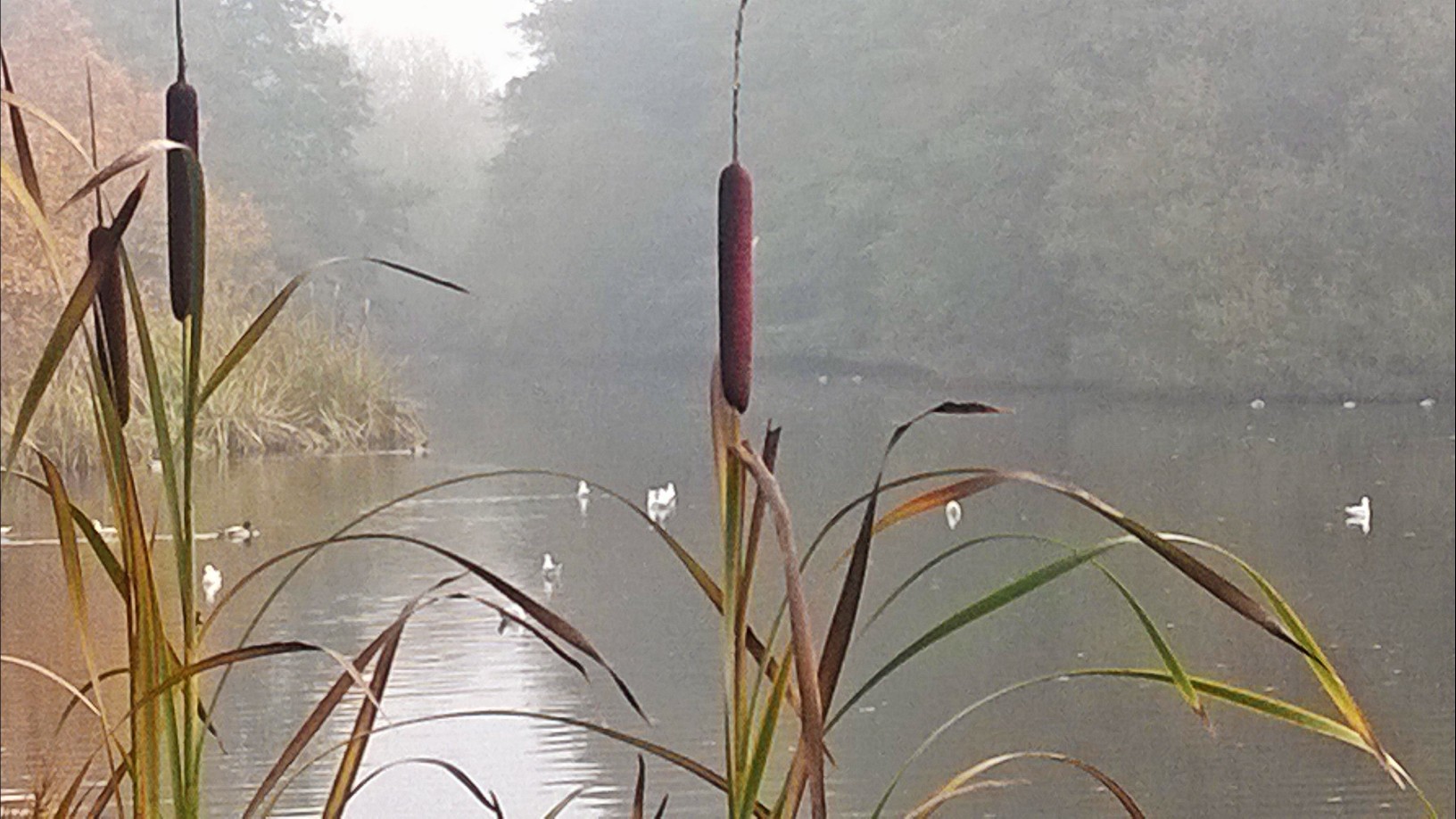
A Simple Day at the nature trail, the University of Warwick, Sunday 1 November 2015-Photo: Anne Mofid
The healing power of ‘Dawn’ at this time of coronavirus crisis
Embrace the Spirituality of the Autumn Equinox and Discover What it Means to be Human
My poem of the Month: Springing back in April with a Renewed Sense of Hope and Optimism
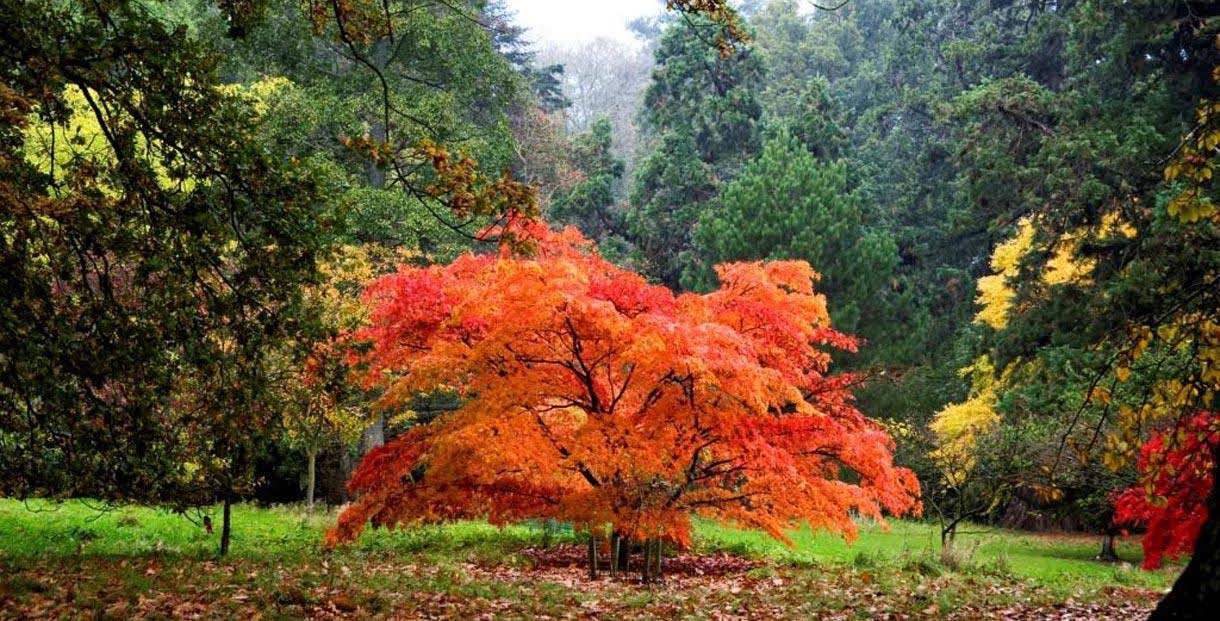
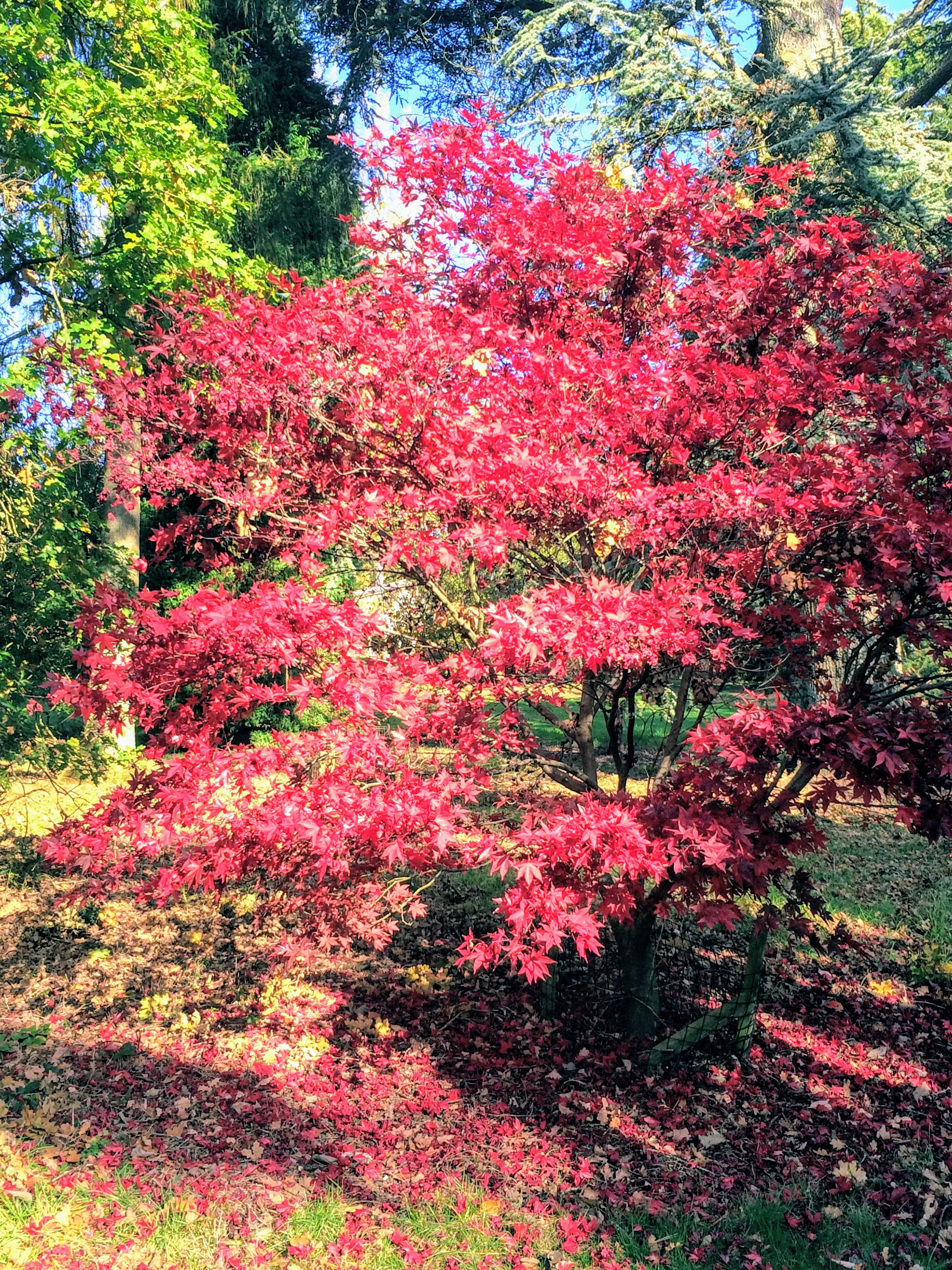
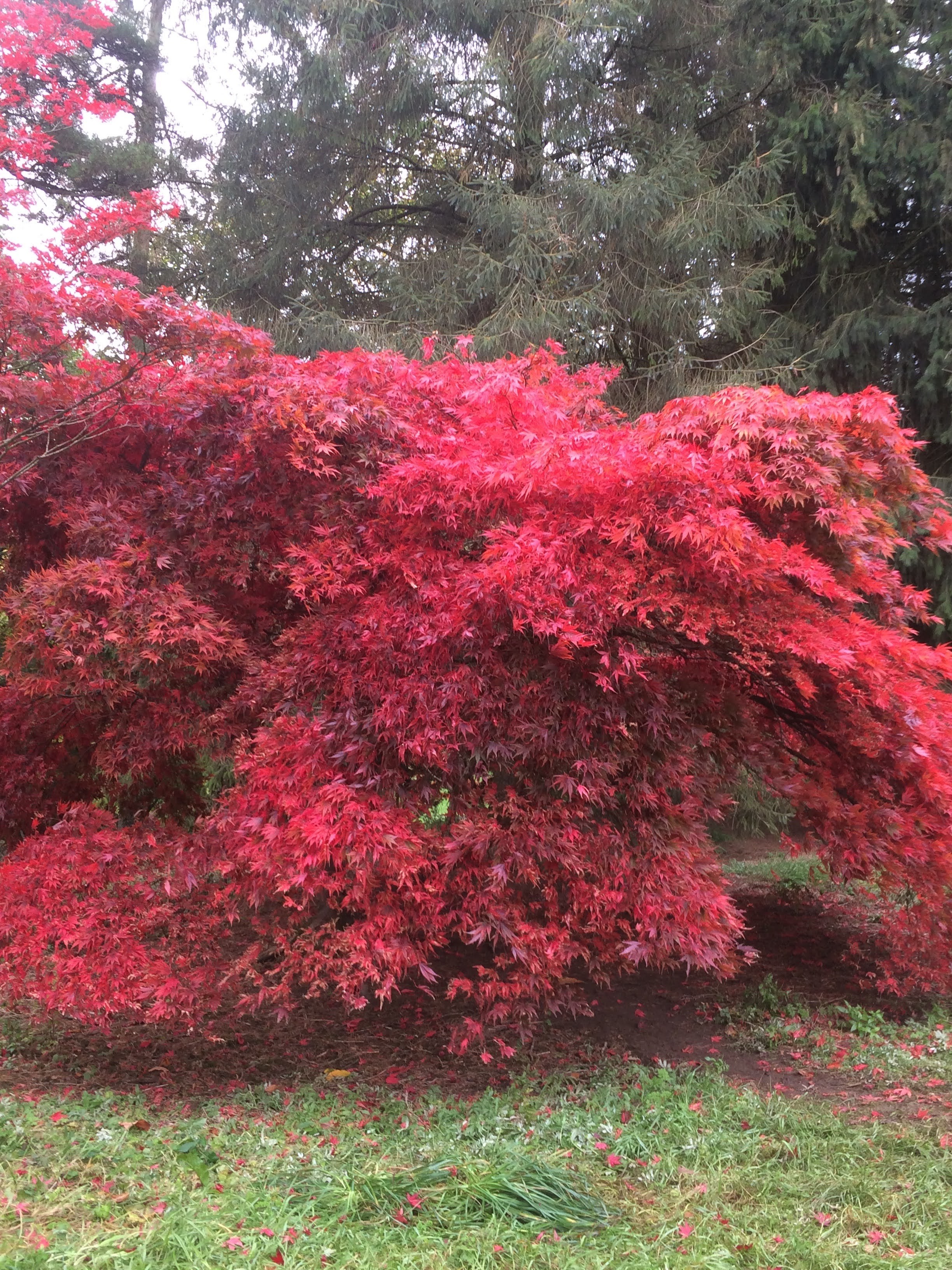
Autumn at Batsford Arboretum, Photos by Anne & Kamran Mofid
My Poem of the month (November): Reimagined Garden
World in Chaos: The Healing Power of Gardens
'Be in love with life and the living and the world will be a better place.'- Kamran Mofid
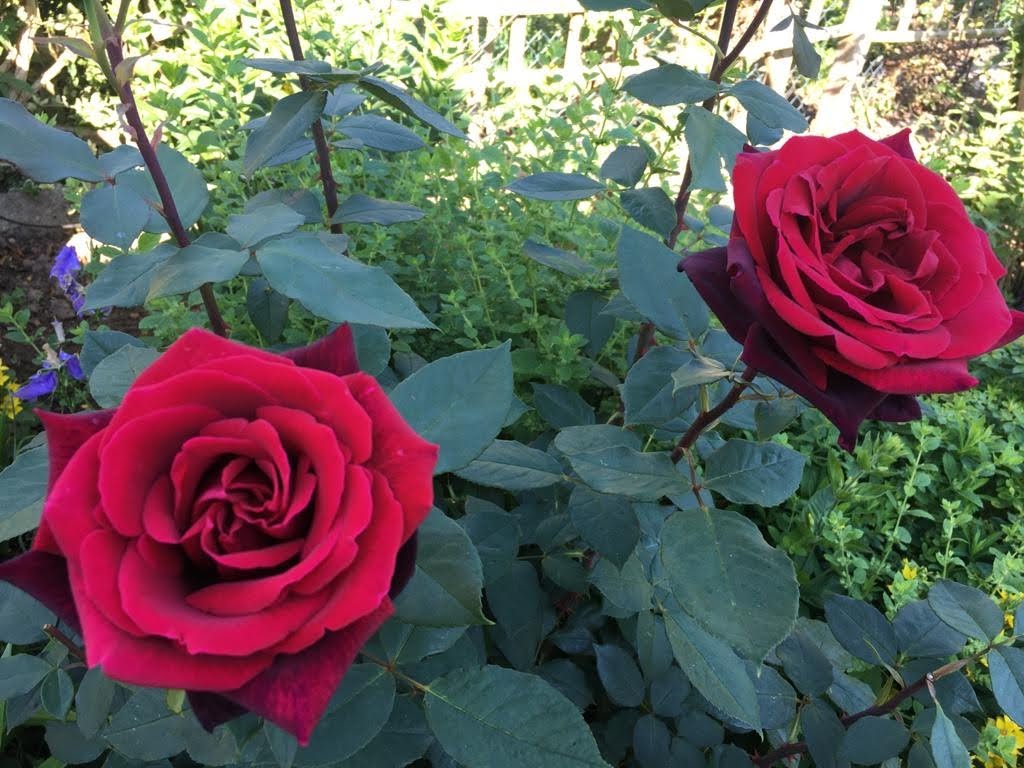
Photo: Kamran Mofid, our garden, Coventry, June 2020
A Grateful Day with Brother David Steindl-Rast- Watch the Video
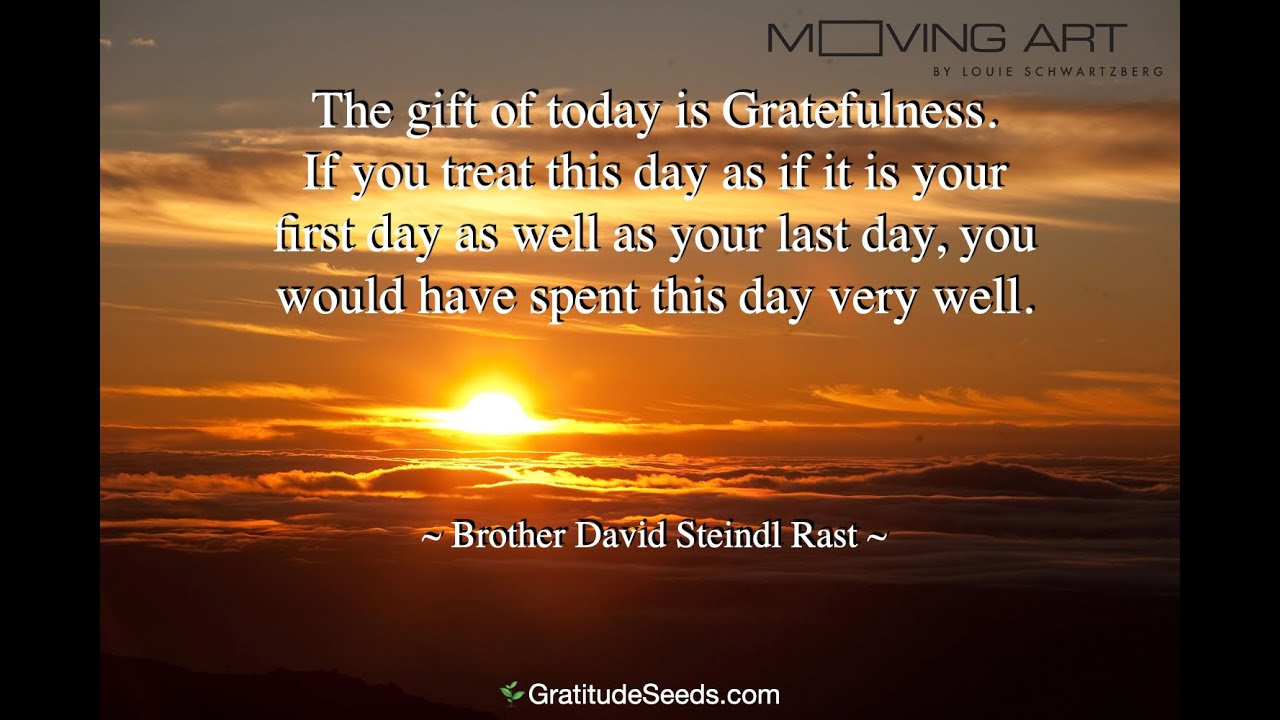
Learn more about Br. David
- Are You Bored with Zooming? So Let Us Zoom for Joy!
- Five thousand years of mystical magnificence: Epic Iran at the V&A- The true story of an extraordinary civilisation
- ‘Fix a broken economic system: It’s time to rethink that for the good of society’
- Happy 200th Birthday dear Guardian and Many Happy Returns
- ‘Nature and Me’: A Beautiful and Inspiring Path to repair our relationship with life