
- Details
- Written by: Kamran Mofid
- Hits: 3907

Photo: SHUTTERSTOCK
"Laughter," theologian Karl Barth reminded us, "is the closest thing to the grace of God."
“The most radical act anyone can commit is to be happy.”-Patch Adams
“A day without laughter is a day wasted.”– Charlie Chaplin
“Laughter is a bodily exercise, precious to health.”- Aristotle
“When it comes to relieving stress, more giggles and guffaws are just what the doctor ordered.”- Mayo Clinic
“There is little success where there is little laughter.”– Andrew Carnegie
“It helps us de-stress, lear, cope, transcend, recharge, renew, hope, optimize, enjoy, create, meditate, digest, exercise, connect, engage, energize, oxygenate, release, persist, and preserve. ”- Christa Scalies
In Praise of Laughter and Joy in these Dark and Uncertain Times
“Laughter is the sun that drives winter from the human face.”– Victor Hugo
“In the sweetness of friendship let there be laughter and sharing of pleasures. For in the dew of little things the
heart finds its morning and is refreshed.” Khalil Gibran

With my mother-in-law, Nancy, on her 90th Birthday.-Photo: Anne Mofid
‘I’m idealistic enough to suggest that if we think seriously about laughter and what it means,
we might even begin to save our planet.’-Charlotte Wood
'In these dark times, embracing laughter is an ethical choice'
An article by Charlotte Wood
‘Laughter has optimism embedded in it. It allows us to see that, while we are all human and we fail, we can change’
What a beautiful, optimistic and hopeful reading for any day of the week, but perhaps more so on a Sunday, a day of reflection, contemplation, peace, and I also very much hope, of joy and laughter, to build a better and happier life, and a better world.
N.B. Before I share Charlotte’s article with you, I must say why?
Because, laughter and joy, wishing to create a happier, fairer and better world, was amongst the first wishes and dreams I had, when I founded the GCGI in 2002.
This is why, I have written the following in all our conference programmes, public lectures, and more:
‘..., we invite you to share a common belief in the potential of each one of us to become self-directed, empowered, and active in defining this time in the world as opportunity for positive change and healing and for the true formation of a culture of peace by giving thanks, spreading joy, sharing love, seeing miracles, discovering goodness, embracing kindness, practicing patience, teaching tolerance, encouraging laughter, celebrating diversity, showing compassion, turning from hatred, practicing forgiveness, peacefully resolving conflicts, communicating non-violently, choosing happiness and enjoying life.’
And then, these went on to become the backbone of the GCGI Values.
Now reverting to Charlotte’s very interesting article:
In these dark times, embracing laughter is an ethical choice
‘Because we live in such very dark times, I’ve been thinking about laughter and art.
If you feel as I do, some days you’ll see no hope for humanity. We’ve destroyed much of the planet already and seem hellbent on continuing that destruction. People all over the world suffer unspeakable violence and deprivation. We in affluent countries seem unwilling to share our wealth with others, and we spend our time and money on pursuits that wreak ever more environmental destruction.
At the same time, those of us in wealthy nations suffer ever-rising levels of anxiety and depression. Australians have the second highest rate of antidepressant use in the world. What can simple laughter possibly do to counteract all of this?
It might seem a trivial thing to be talking about, when the world is in such trouble. You might expect that I’m about to advocate fiddling while our planet burns, urging you to enjoy a kind of nihilistic amusement at what we’ve done to ourselves. But nothing could be further from my mind. The embrace of laughter in our art and in ourselves is an ethical choice that we can and must make; I’m idealistic enough to suggest that if we think seriously about laughter and what it means, we might even begin to save our planet.’...Continue to read
Related reading:
Is the ‘Modern World’ depressing, lonely, fearful, hopeless and untrustworthy? These are some pertinent and timely questions

The Scream by Norwegian Expressionist artist Edvard Munch
“‘Obviously there’s a lot of good things about societal and technological progress and in a lot of ways our lives are much easier than, say, our grandparents’ or great-grandparents’ lives. But there’s a paradox here that we seem to have so much ease and relative economic prosperity compared to previous centuries, yet there’s this dissatisfaction, there’s this unhappiness, there are these mental health issues in terms of depression and anxiety.’”+
'The forces of psychological distress in our world are – currently – much wealthier and more active than the needed cures. We deserve tender pity for the price we have to pay for being born in modern times. But more hopefully, cures are now open to us individually and collectively if only we recognise, with sufficient clarity, the sources of our true anxieties and sorrows.’*
Continue to read: Goodness gracious me, What is going on? What is this ‘Modern World’ doing to us all?
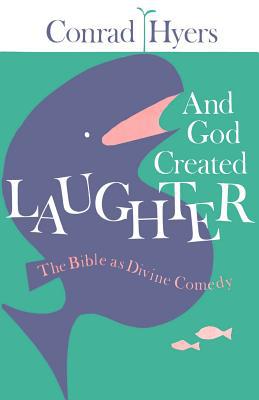
In closing, I offer this quote from Conrad Hyers as a beautiful summary of this spiritual practice. "The first and last word belong to God and therefore not to death but life, not to sorrow but joy, not to weeping but laughter. For surely it is God who has the last laugh."
And God Created Laughter: The Bible as Divine Comedy
‘Recognizing "a playful spirit" as part of our human makeup, Conrad Hyers shows how laughter and humor are integral to our serious study of the Bible. With the darker realities of the Bible--sin, suffering, and death--there exists a lighter side--laughter, humor, and playfulness. Competent biblical study, Hyers explains, requires both perspectives. This highly readable, preachable, and teachable work gives ministers, students, and lay readers a valuable tool for recovering the spirit of humor and offers a chance to share in the celebration of life and the divine comedy of faith, hope, and love.’
- Details
- Written by: Kamran Mofid
- Hits: 1721
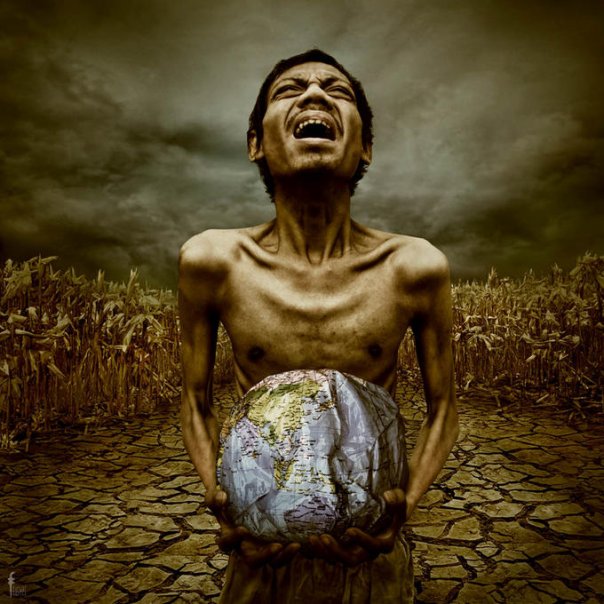
A painting by Berrin Duma. Photo: turkishpaintings.com
‘Anglo-Saxon capitalism’s drive to maximise profits in the short term won’t save the planet. Perhaps the Chinese model can?’
‘Winning the race against time requires political leadership. It means acknowledging that the Chinese model of managed and directed capitalism might be more appropriate than the Anglo-Saxon model’
‘And, more than anything, it means accepting that the world needs to wage war against climate change. Powerful vested interests will say there is plenty of time to act, and they are aided by climate-change deniers who say there is nothing to worry about. These people need to be called out. They are not deniers, they are climate-change appeasers. And they are just as dangerously misguided as fascism’s appeasers in the 1930s.’-Larry Elliott, economics editor, The Guardian
And now lest we forget:
‘Heat now kills more Americans than floods, hurricanes or other natural disasters.’+
And then the US President leaves the Paris Accord and pushes for huge increases in coal and other fossil fuel production!!
‘The U.S. emitted 5.4 billion tons of carbon dioxide in 2015, with a cost per ton of $36 (the current Social Cost of Carbon). That means the U.S. is paying $200 billion to cover the costs of all the emissions being burned. In effect, it’s a $200 billion hidden subsidy to the fossil fuel industry. This $200 billion is a cost in real money—in lost labor productivity, healthcare costs, increased energy expenditures, coastal damages—that is paid somewhere in the world for each ton of carbon dioxide that is emitted.’*
Corporate visions of sustainability focus on material prosperity – but leaders must respect the soul as well as the soil
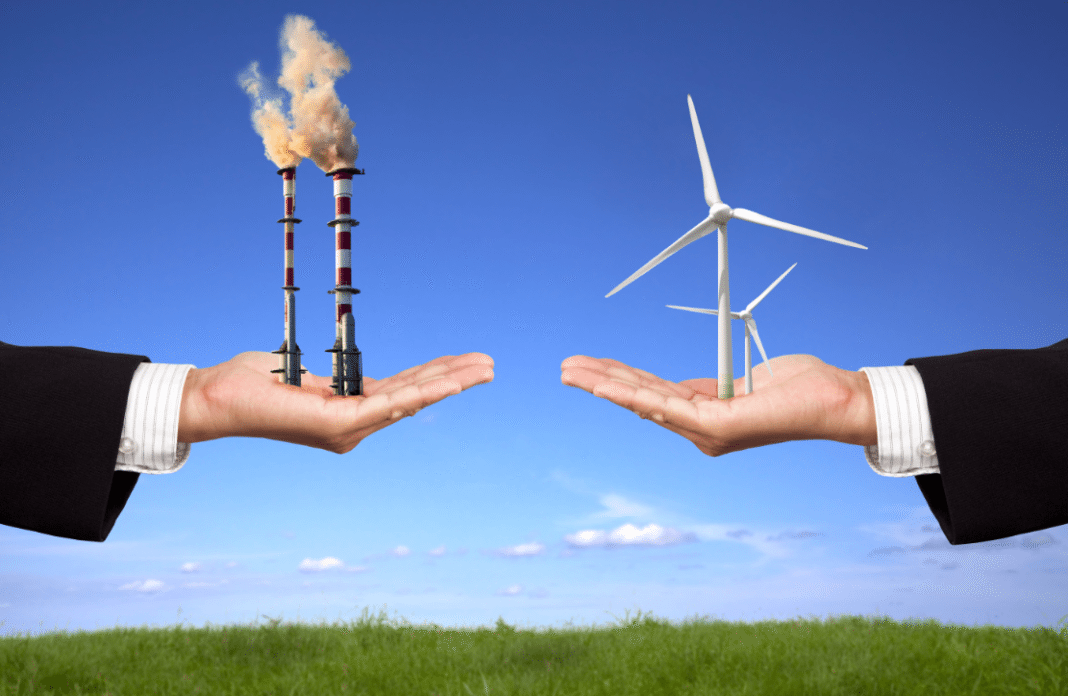
Time to decide: Coal or solar? Photo: nationofchange.org
And then we have Confucianism, the backbone of the Chinese economic and enviromental model and philosophy
“Just do what is right and proper and then all will be well.”
‘Confucianism is a system of thought based on the teachings of Kong Zi, Master Kong (better known in English as Confucius) who lived from 551 to 479 BC. He is revered in Chinese history for the moral code he taught, which was based on ethics, humanity and love.
‘If the foundations of living are strengthened and are economically used, then Nature cannot bring impoverishment. But if the foundations of living are neglected and used extravagantly, then Nature cannot make the country rich,’ observed his follower, Xunzi, Master Zi.
‘One day a disciple asked the Master: "Is there one word that should cover the whole duty of humankind?" And Confucius replied: "Fellow-feeling, perhaps, is that word. Do not do to other people what you do not want them to do to you." And this golden rule in Confucianism is key to understanding the Confucian understanding of ecology.’++
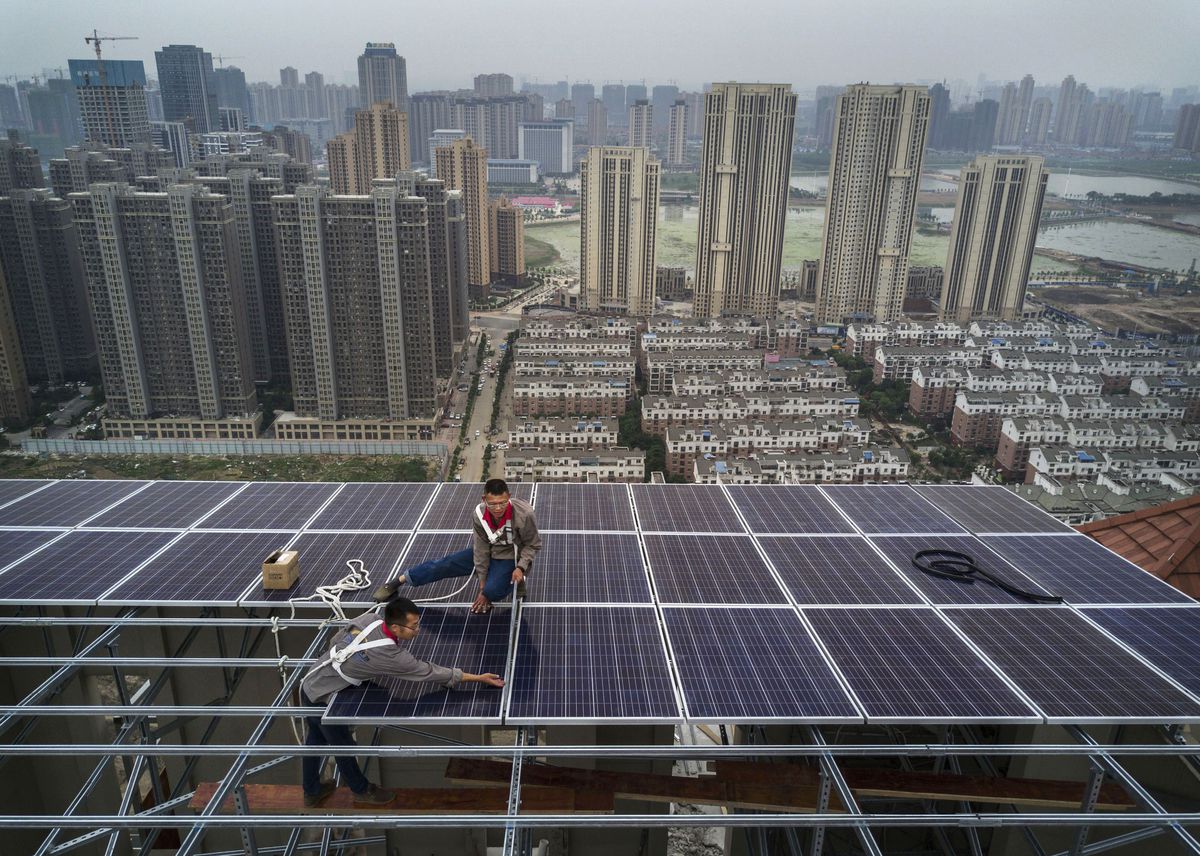
Chinese workers install rooftop solar panels in Wuhan, China. Photo: Kevin Frayer/Getty Images
Capitalism can crack climate change. But only if it takes risks
‘This summer’s heatwave has provided a glimpse of the future, and it is not a pretty one. On current trends, the years to come will see rising temperatures, droughts, a fight to feed a growing population, and a race against time to reduce dependency on fossil fuels.
The struggle to combat climate change brings out the best and worst of capitalism. Decarbonisation of the economy requires alternatives for coal and cars that run on diesel, and that plays to capitalism’s strengths. Innovation is what capitalism is all about, and there has been staggeringly rapid progress in developing clean alternatives to coal, oil and gas. The cost of producing solar- and wind-powered electricity has collapsed. Great advances are also being made in battery technology, which is vital for the new generation of electricity-powered vehicles. Humans are endlessly creative. In the end, they will crack climate change.
But by the time they do, it could be too late. Capitalism – especially the dominant Anglo-Saxon variant of capitalism – has trouble thinking beyond the here and now. People running big corporations see their job as maximising profits in the short term, even if that means causing irreparable damage to the world’s ecosystem. What’s more, they think they should be free to get on with maximising profits without any interference from politicians, even though the fight against climate change can only be won if governments show leadership, individually and collectively.
The economist Joseph Schumpeter talked about the process known as “creative destruction” – the way in which inefficient producers are put out of business by disruptive new technologies and that, as a result, transformation happens. During wars, the best brains are employed by governments to produce more efficient killing machines.
But normally creative destruction takes time, especially if the old guard can marshall sufficient resistance to change – something the fossil fuel industry has been adept at doing. It is vital that capitalism’s Dr Jekyll emerges victorious over its Mr Hyde. More than that, it needs to be an immediate knockout blow.
In the past, politicians have only tended to focus on climate change when they think there is nothing else to worry about. Tony Blair, for example, commissioned a report from the economist Nick Stern into climate change during the years before the global financial crisis, when growth was strong and wages were rising. Margaret Thatcher only started to talk publicly about protecting the environment when the economy was booming at the end of the 1980s.
When policymakers have other things to worry about, tackling climate change drops down the list of things to do. The Paris agreement in 2015, which committed the international community to restricting global warming to well below two degrees centigrade, shows that the issue is taken more seriously than it was two or three decades ago, but that doesn’t mean that it is a top priority.
When times are tough, politicians are suckers for the argument that there is a trade-off between growth and greening the economy. There isn’t. Companies account for capital depreciation when they draw up their profit and loss accounts. If governments adopted the same principle and accounted for the depletion of natural capital when drawing up their national accounts, growth would be lower. In countries such as China and India – where the cities are dangerously polluted – it would be markedly lower.
The good news is that in Beijing and New Delhi, policymakers have woken up to the idea that green growth is better growth. China is committed to phasing out coal, in part because it is worried about climate change and in part because it sees an opportunity to be a world leader in green technology. India, although slower to act, is also starting to take advantage of collapsing prices for electricity generated by solar and wind, and has set itself demanding renewables targets.
But the bad news is that progress towards decarbonisation is still not fast enough. As things stand, fossil fuels will still account for more than 50% of energy consumption by 2050. CO2 emissions will carry on rising and global warming will continue.
Stern says technological progress has been much faster than he thought possible when his report was published in 2006, and he thinks it is quite something that all the major car-makers now accept that the era of the internal combustion engine is coming to an end.
“But the speed of action is still far too slow,” Stern warns. “Emissions have to be peaking now and turn down very sharply. We have not yet acted on the scale needed, even though the ingredients are there.”
Winning the race against time requires political leadership. It means acknowledging that the Chinese model of managed and directed capitalism might be more appropriate than the Anglo-Saxon model. A massive scaling up of investment in clean technology is needed, because the $300bn spent on decarbonisation worldwide last year merely matched the cost of the losses in the US from climate and weather-related events. It also means scaling up the lending of the World Bank and the regional development banks to help poorer countries build wind and solar capacity. And a global carbon tax set high enough so that fossil fuels remain in the ground must be implemented.
And, more than anything, it means accepting that the world needs to wage war against climate change. Powerful vested interests will say there is plenty of time to act, and they are aided by climate-change deniers who say there is nothing to worry about. These people need to be called out. They are not deniers, they are climate-change appeasers. And they are just as dangerously misguided as fascism’s appeasers in the 1930s.’
This article was first published in the Guardian on Thursday 16 August 2018.
See the original article: Capitalism can crack climate change. But only if it takes risks
+'It can’t get much hotter ... can it?' How heat became a national US problem
*The $200 Billion Fossil Fuel Subsidy You've Never Heard Of
++What does Confucianism teach about ecology?
Related reading:
Heat: the next big inequality issue
Mother Earth is Crying: A Path to Spiritual Ecology and Sustainability
Pursuing Common Values: A Call to Recover our Moral and Spiritual Imagination, Transforming Society
- Details
- Written by: Kamran Mofid
- Hits: 1669
GCGI-SES Joint Forums -GCGI Conference Series
Waterperry House, Oxford
(Group Photos)
Serving the Earth, Serving One Another
In a world of spiraling ecological, socio-political and economic crises, where does one find hope and wisdom?
Where can we search for and discover our spiritual calling and be one with the world and with each other?

Waterperry House: A retreat centre for the study of Practical Philosophy and Economics
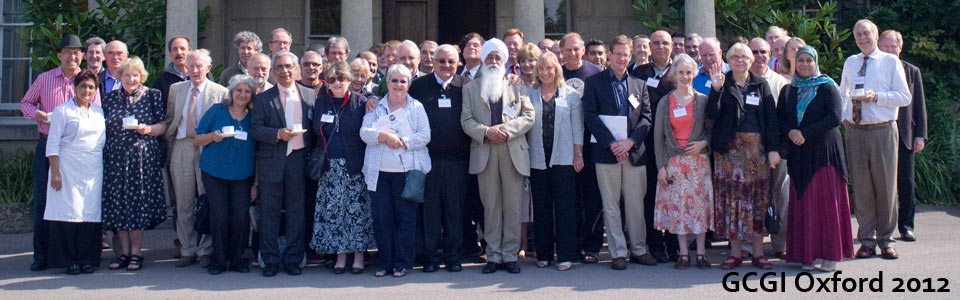
GCGI-SES Joint Forum 2012 Waterperry House
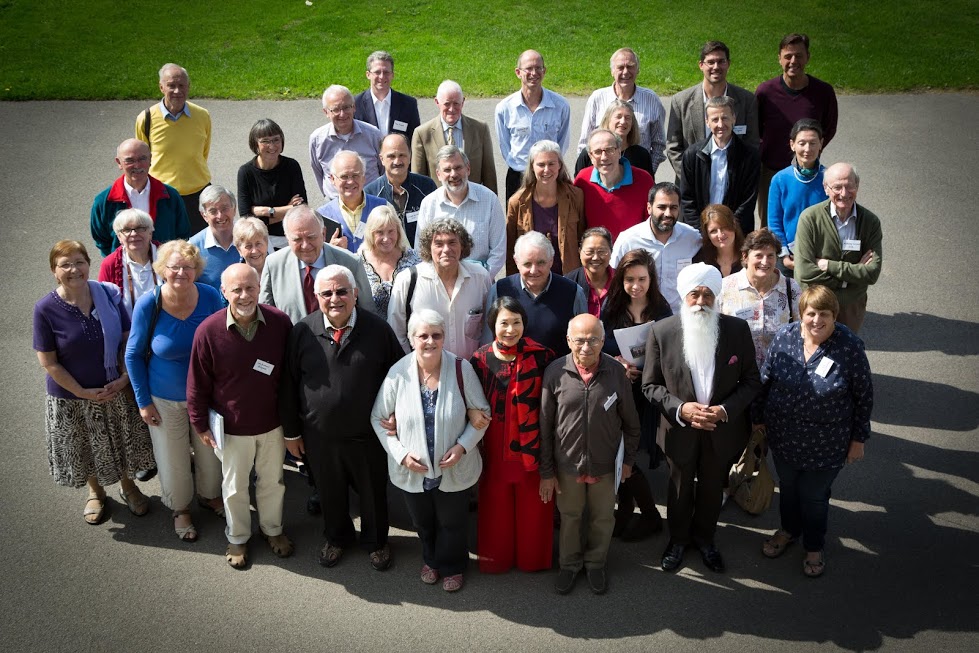
GCGI-SES Joint Forum 2014 Waterperry House
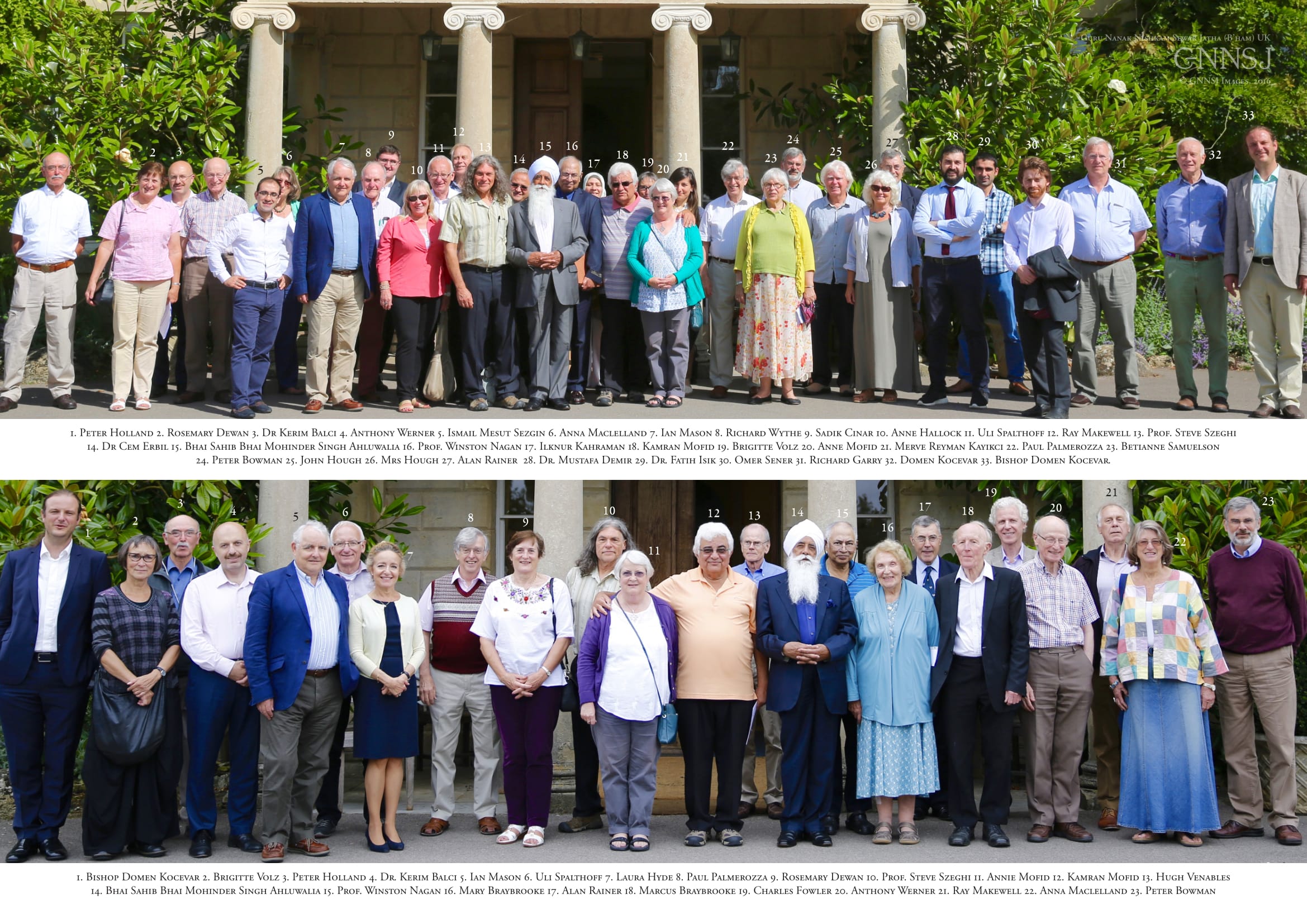
GCGI-SES Joint Forum 2016 Waterperry House
Photos Credit: GNNSJ
Villa Boccella, Tuscany, Italy, 28 August-1 September 2018
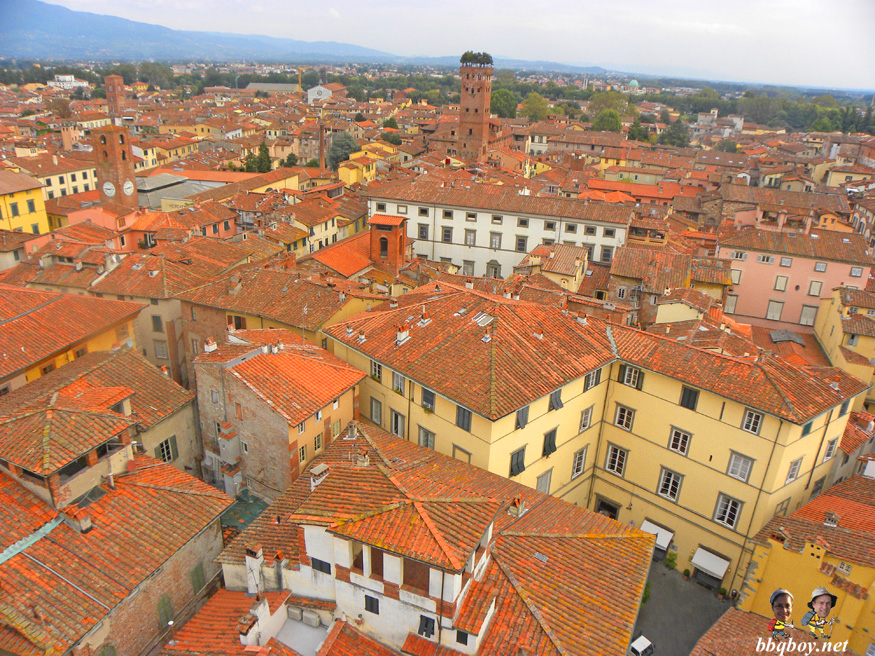
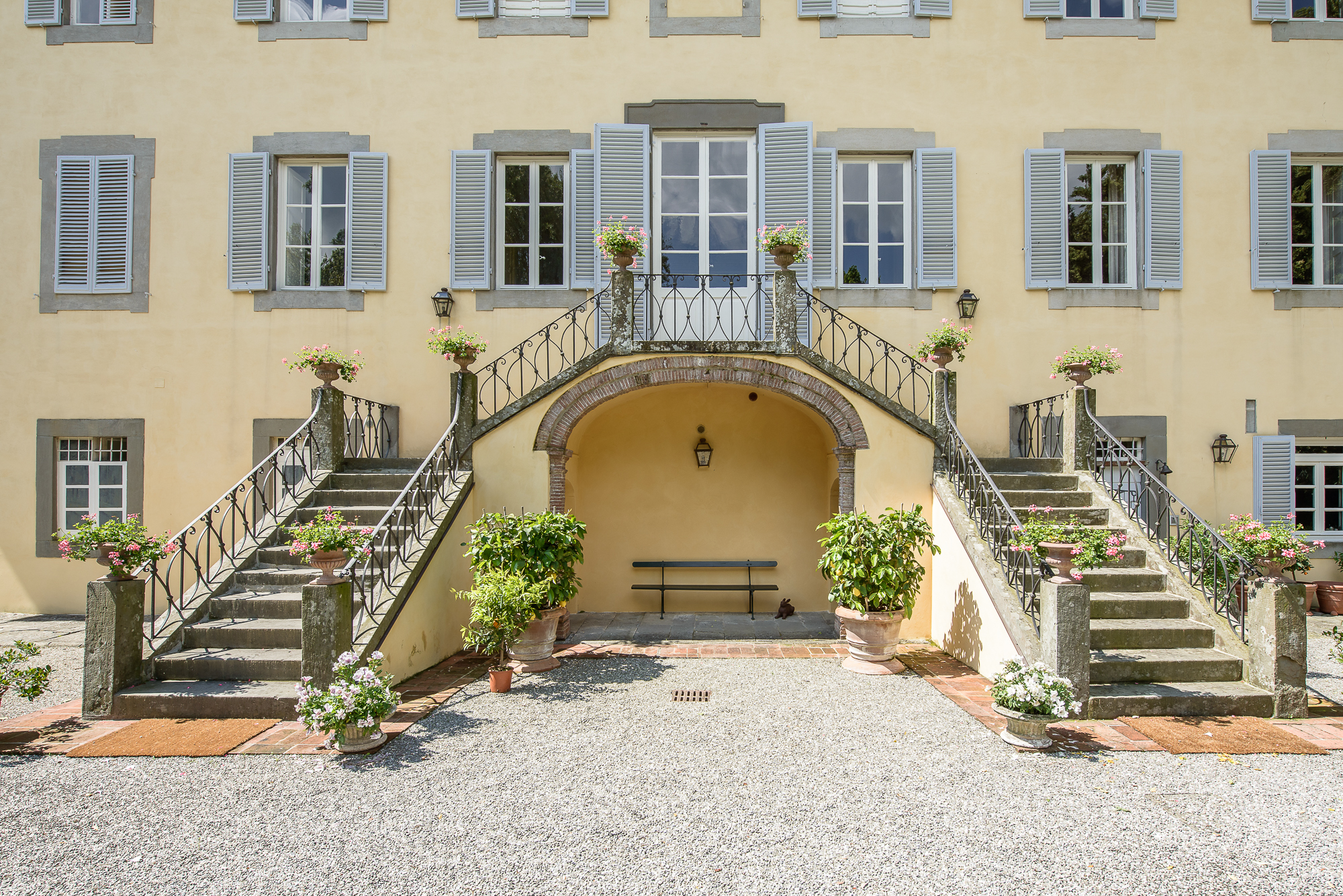
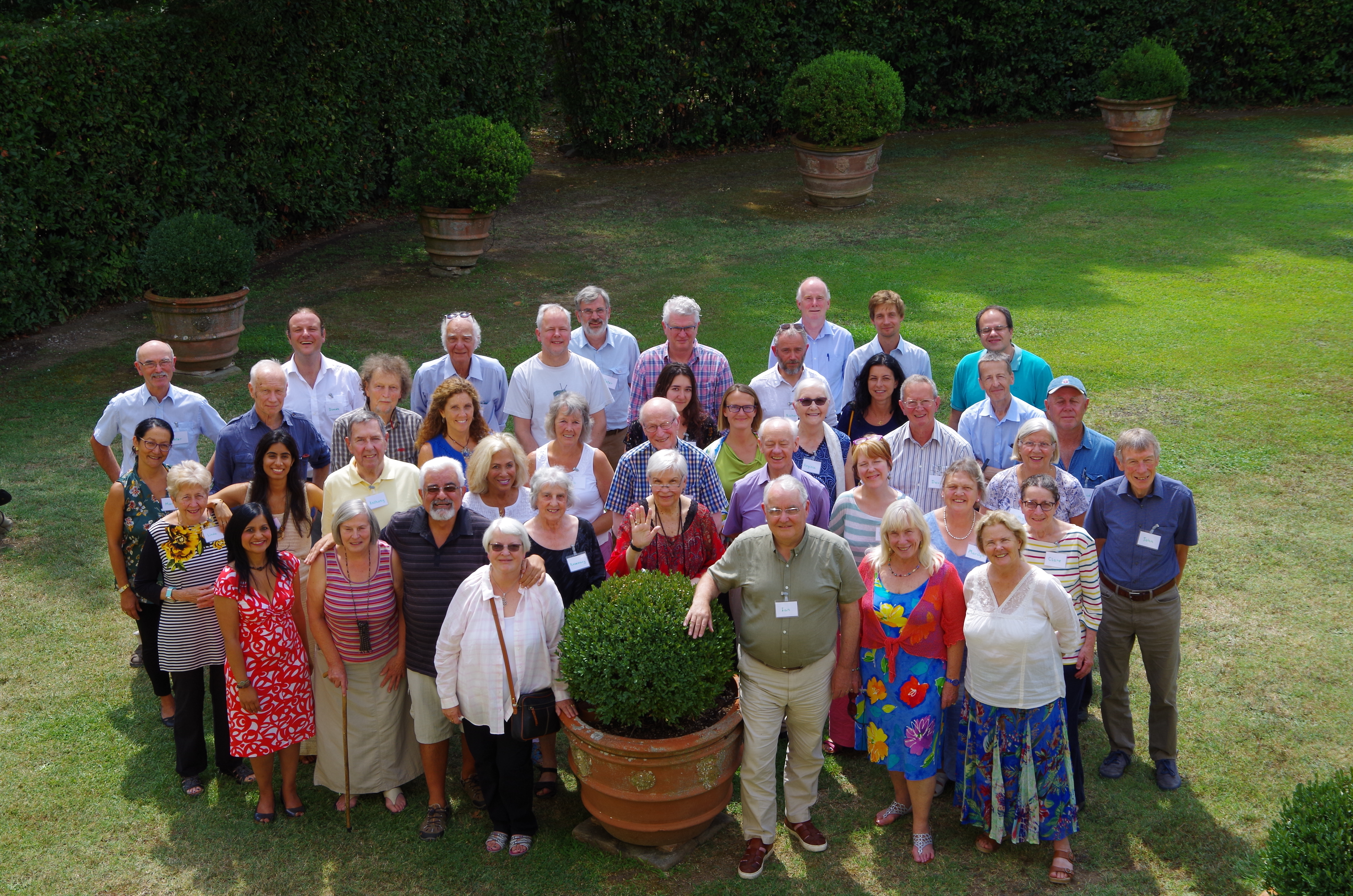
Photo: Angela Bowman