- Details
- Written by: Kamran Mofid
- Hits: 3123
As this year draws to a close we would like to say a heartfelt thank you for your collaboration and support over the past 12 months. We look forward to our continuing collaboration and solidarity.
This has been an exciting year for us here at GCGI. Together, with all our friends and colleagues around the world we are navigating these challenging times beset by gross human rights violations and intrepid injustices. At the same time there are many seeds of inspired awakenings taking root throughout the world!
We would very much like to share a couple of poems with you. The first is by the legendary environmental activist, Wendell Berry. It is a therapeutic reminder of the wonder and beauty inherent in life on our precious Earth. The other is from Hafez, the 14th-century Persian philosopher of love, a seeker of wisdom, who became a poet of genius, a lover of truth who has transcended the ages. May these poems be a source of hope and inspiration to you, as we must remain positive and hopeful in our quest to change the world, for the better.
- Details
- Written by: Kamran Mofid
- Hits: 12411

What is this life if, full of care,
We have no time to stand and stare.
No time to stand beneath the boughs
And stare as long as sheep or cows.
No time to see, when woods we pass,
Where squirrels hide their nuts in grass.
No time to see, in broad daylight,
Streams full of stars, like skies at night.
No time to turn at Beauty's glance,
And watch her feet, how they can dance.
No time to wait till her mouth can
Enrich that smile her eyes began.
A poor life this if, full of care,
We have no time to stand and stare. - William Henry Davies
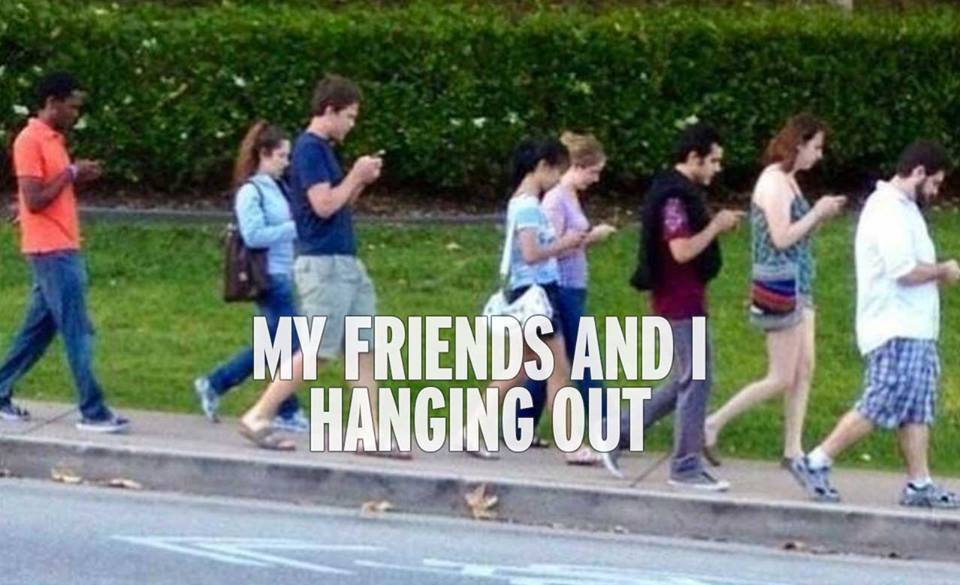
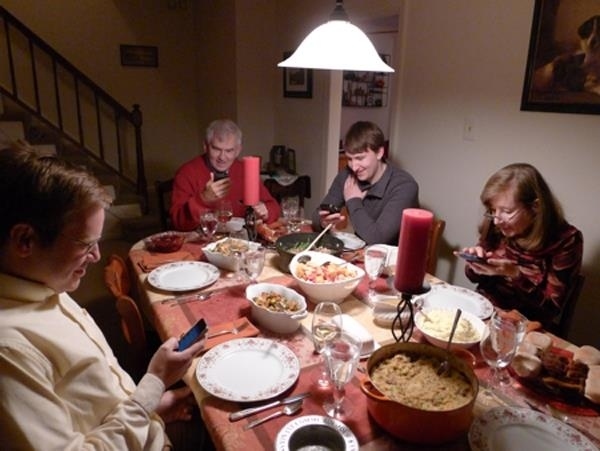
And Now A Visual look at Today’s “A poor life this if, full of care,
We have no time to stand and stare”









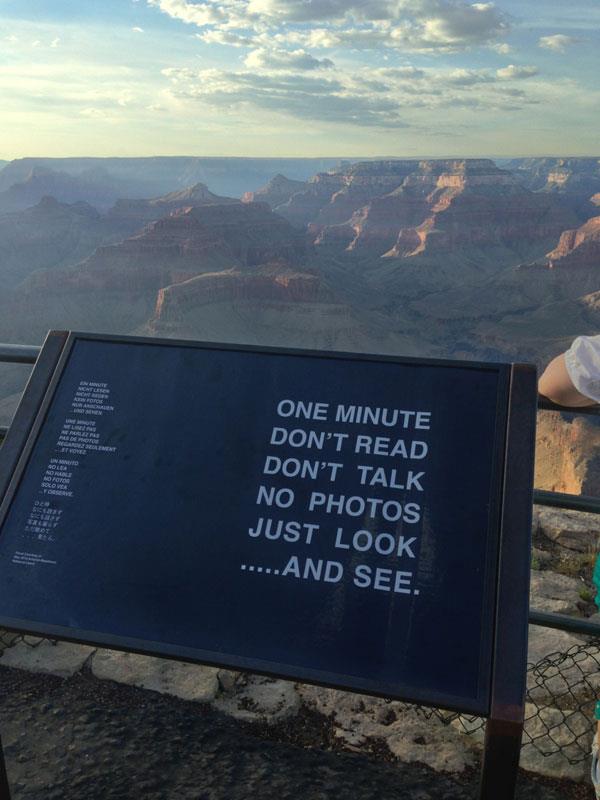
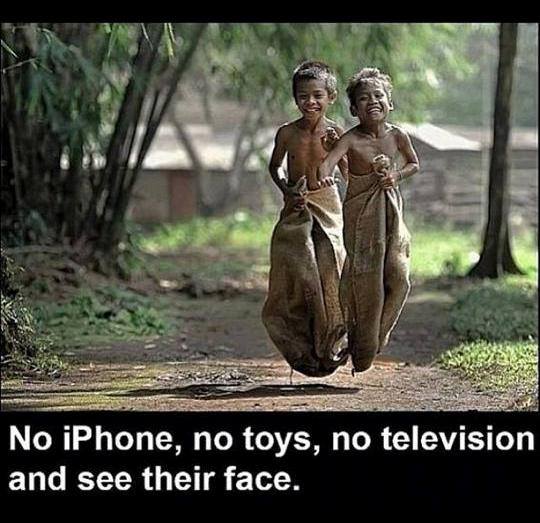
UBUNTU: "I am because we are"
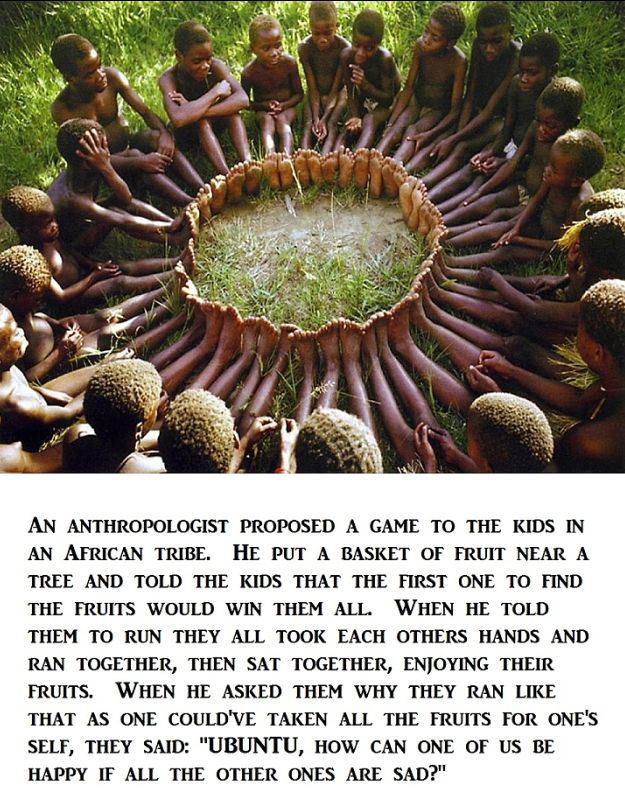
Photo: globalelite.tv
Why am I here? What’s my Life’s purpose? How can I make the most of my Life?

Be Inspired: The Wisdom Corner
The links noted below are amongst my Blog postings which are there to provide ideas for inspirational stories for everyone, encouraging contemplation, soul searching and spiritual enrichment.
Whenever you get a chance, please take a few minutes to watch, listen and read some of the amazing narratives below: They are some examples of the many gems I have discovered in my life journey from the wisdom of others. They have opened new horizons in my life. For that I cannot be grateful enough.
Here, by sharing their wisdom with you, I hope they will do the same for you.
- Details
- Written by: Kamran Mofid
- Hits: 4675

December 10 is the annual UN Human Rights Day, which marks the date in 1948 on which the UN General Assembly adopted the Universal Declaration of Human Rights. This year's slogan, Human Rights 365, expresses the idea that every day of the year, every human being in the world should have a full range of freedoms, rights, and entitlements that are the same for all humanity.
The formal inception of Human Rights Day dates from 1950, after the Assembly passed resolution 423 (V) inviting all States and interested organizations to adopt 10 December of each year as Human Rights Day.
When the General Assembly adopted the Declaration, with 48 states in favour and eight abstentions, it was proclaimed as a "common standard of achievement for all peoples and all nations", towards which individuals and societies should "strive by progressive measures, national and international, to secure their universal and effective recognition and observance". Although the Declaration with its broad range of political, civil, social, cultural and economic rights is not a binding document, it inspired more than 60 human rights instruments which together constitute an international standard of human rights. Today the general consent of all United Nations Member States on the basic Human Rights laid down in the Declaration makes it even stronger and emphasizes the relevance of Human Rights in our daily lives.
The High Commissioner for Human Rights, as the main United Nations rights official, and her Office play a major role in coordinating efforts for the yearly observation of Human Rights Day.
There is no question that since 1948, many people have more rights than ever before. Yet there is still a very long way to go before every human being in the world has a full range of rights. In fact, on December 8, UNICEF declared that 2014 has been one of the worst years ever for the world's children. (See more disturbing data below)
To mark Human Rights Day 2014, we present a selection of GCGI posted articles from the past year. It is our firm belief that if the ideas, vision and recommendations made in these articles are adopted and adhered to, then, we can expect a great improvement in human rights all over the world.
Lest we forget: human rights are all about, peace, justice, ethics, morality, spirituality, happiness and well-being. In short, it is all about the common good.
Be Inspired: The Wisdom Corner
The links noted below are amongst my Blog postings which are there to provide ideas for inspirational stories for everyone, encouraging contemplation, soul searching and spiritual enrichment.
Whenever you get a chance, please take a few minutes to watch, listen and read some of the amazing narratives below: They are some examples of the many gems I have discovered in my life journey from the wisdom of others. They have opened new horizons in my life. Here, by sharing their wisdom with you, I hope they will do the same for you.
Transforming Lives for the Common Good: From Consumerism to Sustainability
Thanksgiving vs. Black Friday: Where is the Gratitude?
What might an Economy for the Common Good look like?
Wisdom of Lao Tzu: The Path to Virtue, Happiness, and Harmony
The Meaning of Life: tuesdays with Morrie
The Good Life: Lessons from Benjamin Franklin
Adam Smith and the Pursuit of Happiness
Ten Virtues to Lead a Good Life
Build a Better World: The Healing Power of Doing Good
The Story of a Businessman for the Common Good
Sam Berns: ‘My Philosophy For A Happy Life’
In Search of Meaning in Life: Happiness Revealed
The Value of Values: Why Values Matter
The GCGI: How It Began
Lest We Forget
“An estimated 27 million people are currently enslaved in the human trafficking trade globally.
In 2012, 112 countries tortured their citizens and 101 countries repressed their people's right to freedom of expression.
There are 3.5 million children living in poverty in the UK today, which is around 27% of children, or more than one in four. According to Unicef, 22,000 children worldwide die each day due to poverty.
More than 300,000 children under the age of 18 are being exploited as child soldiers in armed conflicts worldwide.
Women make up 80% of all refugees and displaced people and are at heightened risk of physical or sexual violence or trafficking.
Around 15 million girls are forced into child marriage around the world every year. One in three girls in the developing world are married by their 18th birthday, increasing their risk of isolation and violence, and limiting their chance to have an education.
The total number of child labourers remains high, with Unicef and the International Labour Organisation acknowledging an estimated 168 million children aged five to 17 are involved worldwide.
Every 90 seconds, a woman dies during pregnancy or childbirth. Most of these deaths are preventable, but due to gender-based discrimination many women are not given the proper education or care they need.
At least 20.9 million people are victims of forced labour worldwide.
More than 3.2 million Syrians are currently living as refugees, in the largest displacement crisis in a generation.”- ibtimes.co.uk
And finally, when it comes to “Human Rights” we must not forget the following:

Photo: youtube.com
BBC News - CIA report: 'Brutal' interrogation tactics by the numbers
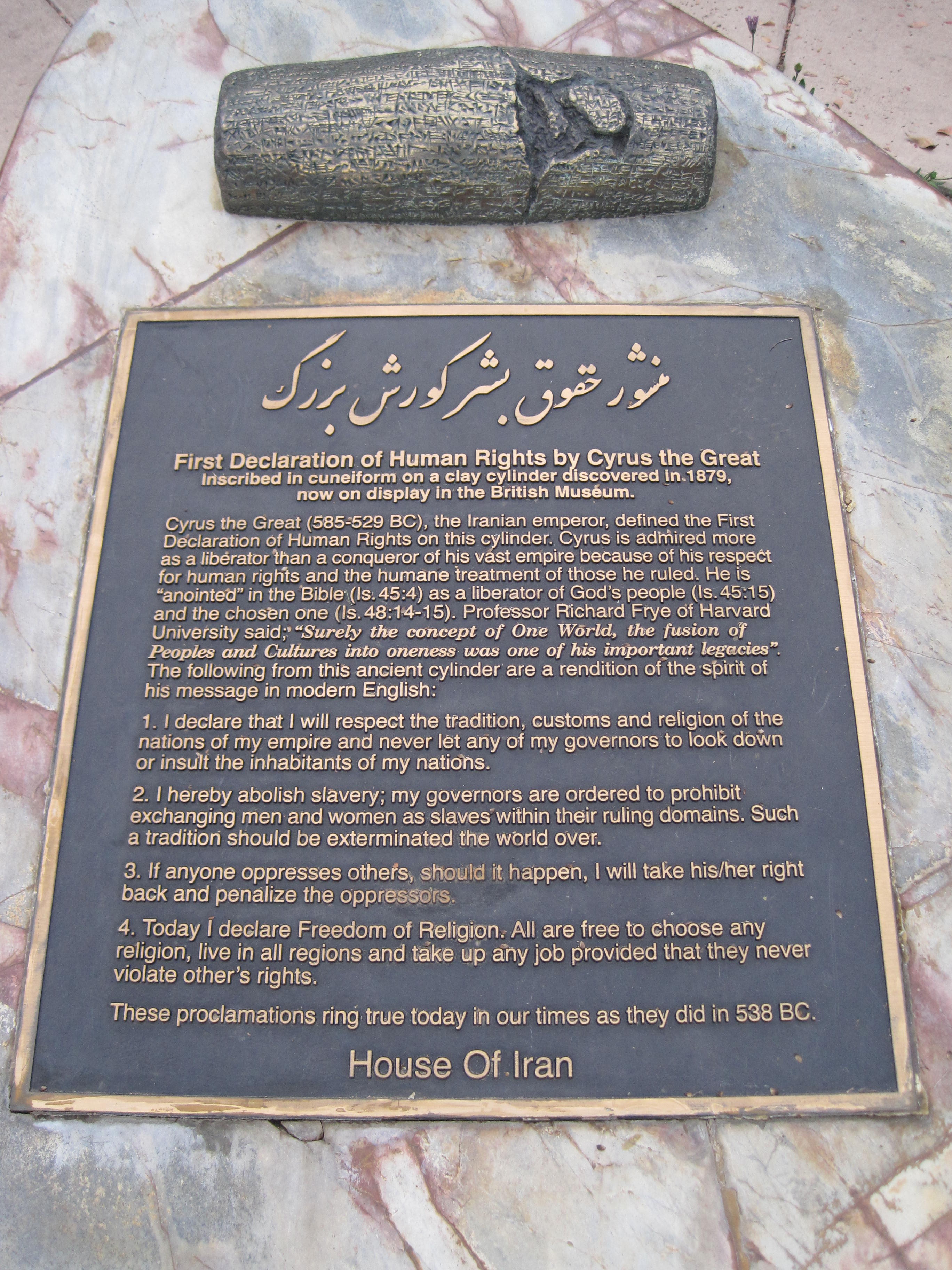
And Now read about what has been dubbed as the “First Declaration of Human Rights”:
First Declaration of Human Rights by Cyrus the Great
- Economists Stop teaching 'The World's Dumbest Idea'!
- Hands-on MBA: Markets- What can be learnt from the Bastard of Billingsgate
- World in Chaos and Despair: The Healing Powers of Giving Thanks, Being Grateful, Loving and Empathetic
- A Christmas and New Year Message from Kamran and Anne Mofid
- We welcome Prof. Kamran Mofid as a Patron