- Details
- Written by: Kamran Mofid
- Hits: 2244
Photo:theworldbreakingnews.com
‘England has been named the world’s second best tourist destination in 2020 due to its “timeless treasures” by the guide book firm, Lonely Planet, behind Bhutan.
The list, featured in the Best in Travel 2020 book, was compiled based on “topicality, unique experiences and wow factor”.
The entry for England states: “Brexit uncertainties have dominated the headlines in recent years but one constant amid all the confusion has been the timeless treasures that England is famous for: the historic castles and cathedrals, quaint villages and rolling countryside, and of course, the seaside.
“Taking a bracing walk on a windswept pier, eating delicious fish and chips, searching for marine life in rock pools, finding fossils in ancient cliffs, building sandcastles and dolphin-spotting on picturesque beaches are just some of the activities offered by the English seaside.”...Continue to read
Yes, I agree. It is true. This Green and Pleasant Land, is truly Beautiful. It is a blessed land.
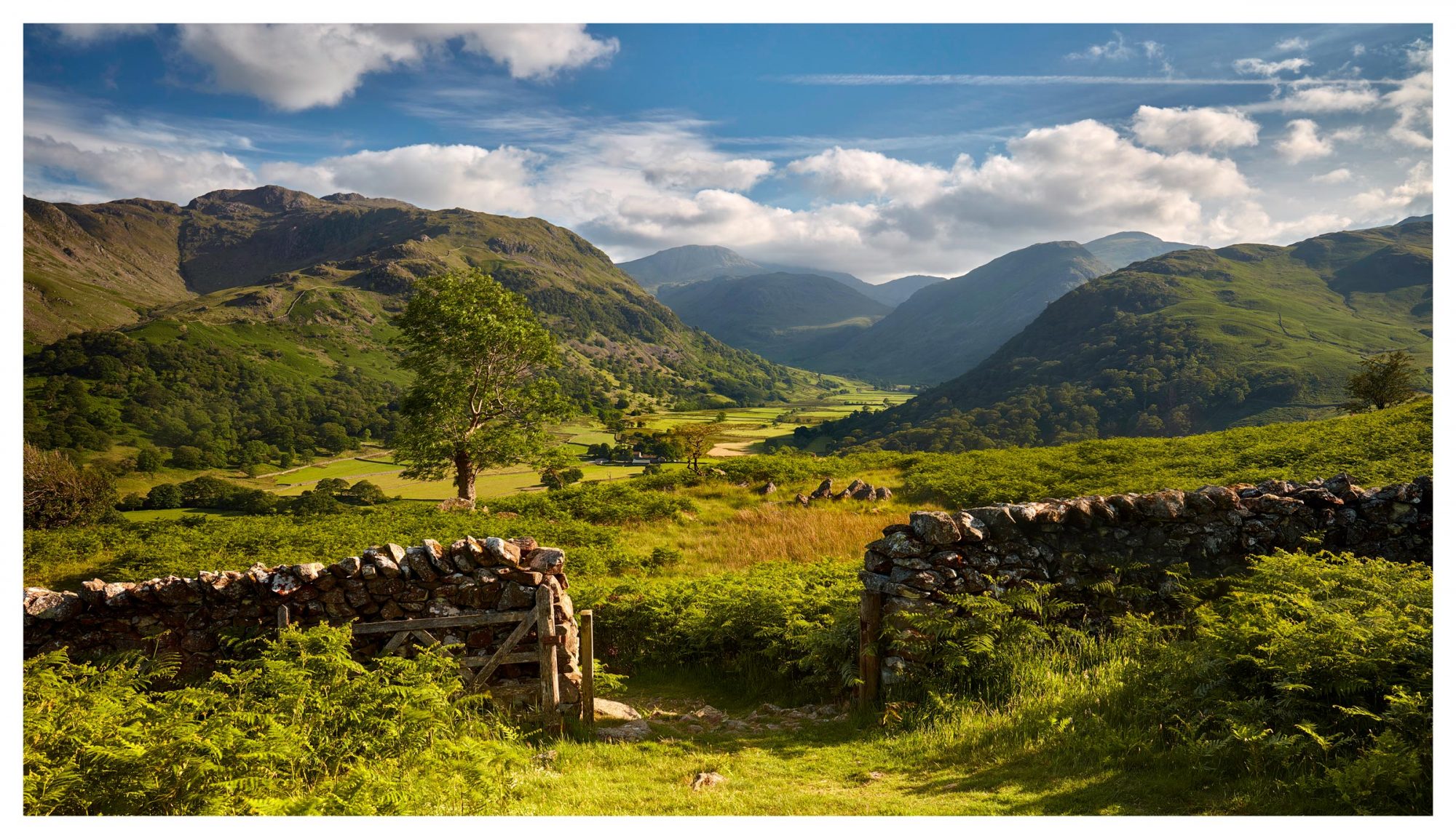
Green and Pleasant Land-Lake District, Borrowdale on a Summer’s afternoon, no better place for a stroll. Photo: Dave Massey Photography
But, what a tragedy, what a great pity, that this Green and Pleasant Land is led by donkeys!
Led By Donkeys: ‘There is a political power in laughing at these people’
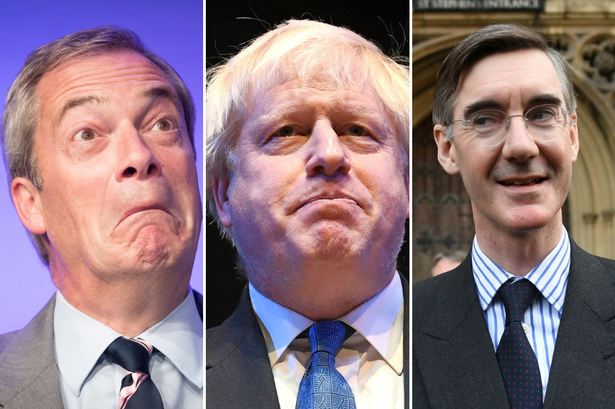
Photo: See The ‘Independence Day’, Not Long to Go!
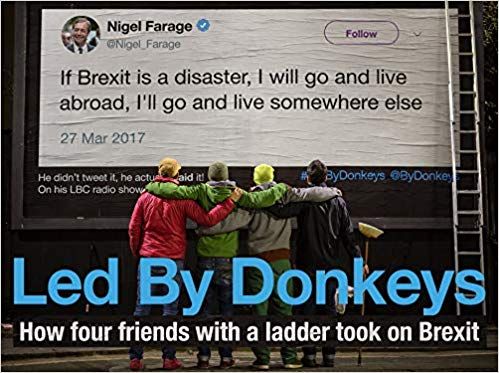
Photo:theguardianbookshop
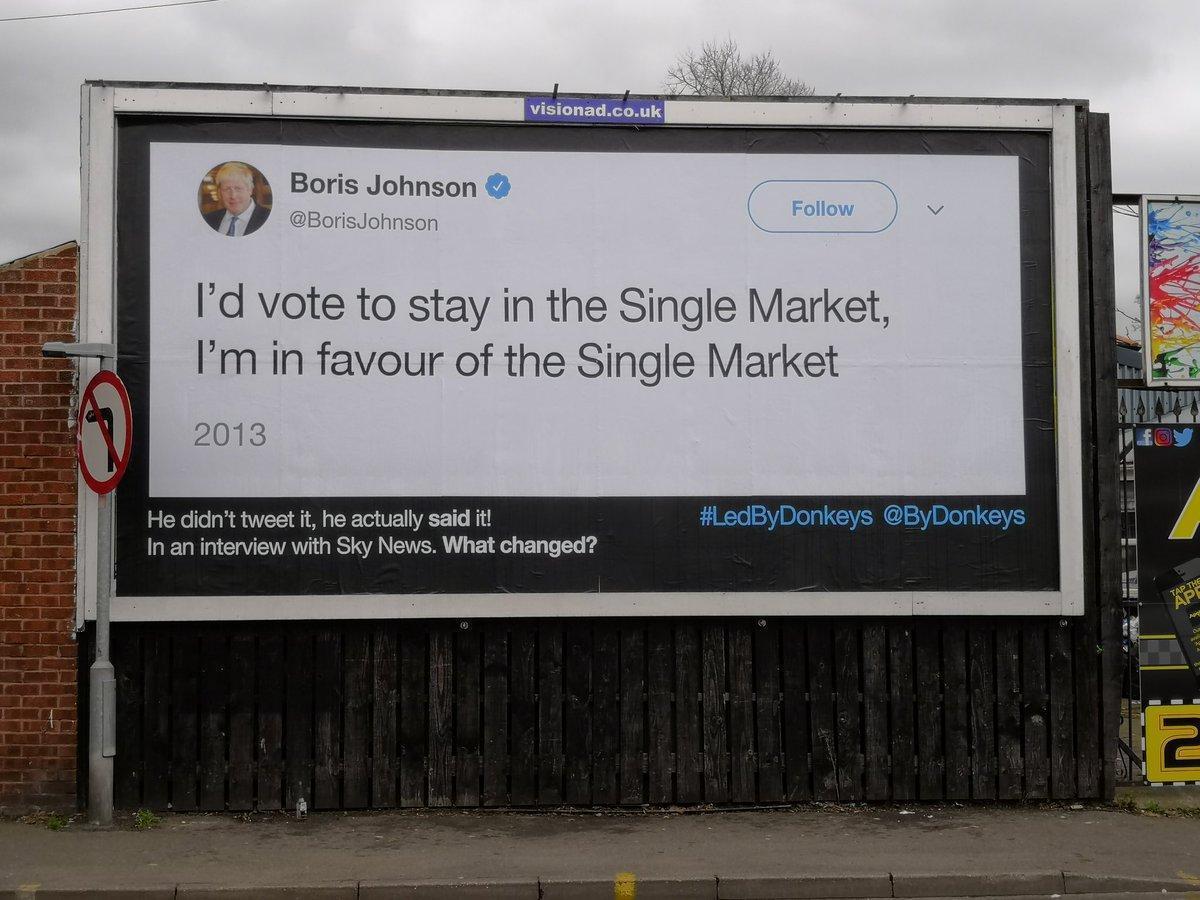
'On billboards, beaches, buildings, and Twitter, four activist friends have wittily exposed the hypocrisies of Brexit politics. As they publish a book about their campaign, they reflect on their rollercoaster year'
‘The campaigning group Led By Donkeys is always on the lookout for what it calls “thermonuclear hypocrisy” in politics, and specifically on Brexit. So when, in August, its founders belatedly came across an article that Michael Gove had written for the Daily Mail in March 2019, they felt they had hit the jackpot. In it, Gove, who is now chancellor of the duchy of Lancaster – or more prosaically, the man charged with making Brexit happen, deal or no deal – had noted: “We didn’t vote to leave without a deal. That wasn’t the message of the campaign I helped lead.”
“It was like, ‘Hang on a second: that should be the iceberg to the government’s no-deal Titanic,’” exclaims 45-year-old Ben Stewart, one of the four founders of Led By Donkeys. “The leader of the campaign, the person charged with no-deal planning has said there is no mandate for this. And now they are claiming a mandate for it. So I felt and we all felt: we need to make that quote famous.”
Led By Donkeys, which came into existence only in January, had already had considerable success, and a lot of fun, reminding politicians of words they have said, written or tweeted, and probably wished they hadn’t. The project started with blowing up tweets – from the likes of David Cameron and Leave tub-thumpers Jacob Rees-Mogg and Nigel Farage – and slapping them on billboards in the dead of night. But the group quickly became more ambitious and its work has appeared everywhere from a 40m x 20m banner at the People’s Vote demonstration in London in March to projections on the cliffs of Dover. Their targets are overwhelmingly on the right of the political spectrum, though Jeremy Corbyn was mocked with a billboard that had his Twitter handle but was otherwise left blank, so that people could write on to it what they would like the Labour leader to say on the issue.

Its work has been, to some camps, the Remain campaign that never was: impassioned, humorous, compelling. Through more than 50 poster designs, photographs of which have had more than 200m views on social media, Led By Donkeys has taken the fight to the flip-flopping Brexiters. They have also taken potshots at Donald Trump and what they consider the dangers of post-truth politics. When the US president visited the UK in June, they projected his approval ratings (and those of Barack Obama) on to the Tower of London, and a video in which Boris Johnson called Trump out for “quite stupefying ignorance” was superimposed on to Big Ben. In the US, these stunts were picked up by Stephen Colbert on The Late Show and Rachel Maddow on MSNBC. Just last week, Led By Donkeys launched posters satirising the government’s Get Ready for Brexit campaign, designed by members of the public, and, as this article went to press, were finalising plans for Saturday’s People’s Vote march…’-Continue to read
Led By Donkeys: How Four Friends With a Ladder Took on Brexit is published by Atlantic (£10). To order a copy go to guardianbookshop.com
- Read an extract from Led By Donkeys’ book here
-
Read a related and complementary article here:
‘Why Are Our Politicians So Crap?’ The rise and fall of Britain’s political class
- Details
- Written by: Kamran Mofid
- Hits: 1458
Photo:theguardian.com
Nota bene
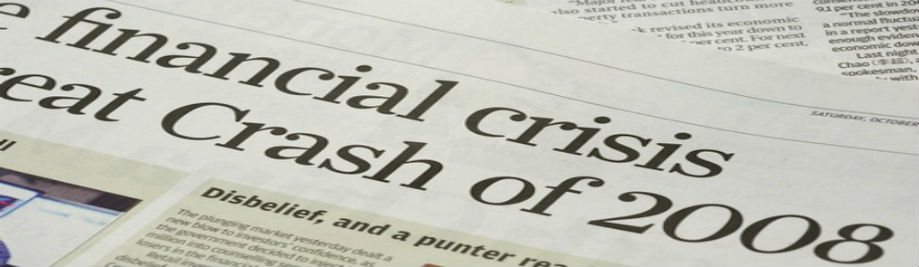
It seems that, whilst we have been obsessed and confused, out of touch with reality, messed about by the unnecessary, useless going ons with Brexit, as well as the daily nonsensical and profoundly meaningless Trump’s tweets, and more, we have somehow lost noticing the coming of a further catastrophe, namely, that another financial crisis is just around the corner.
The world economy is sleepwalking into a new financial crisis, warns Mervyn King*
Past crashes spawned new thinking and reform but nothing has changed since the 2008 banking meltdown, says former Bank of England boss
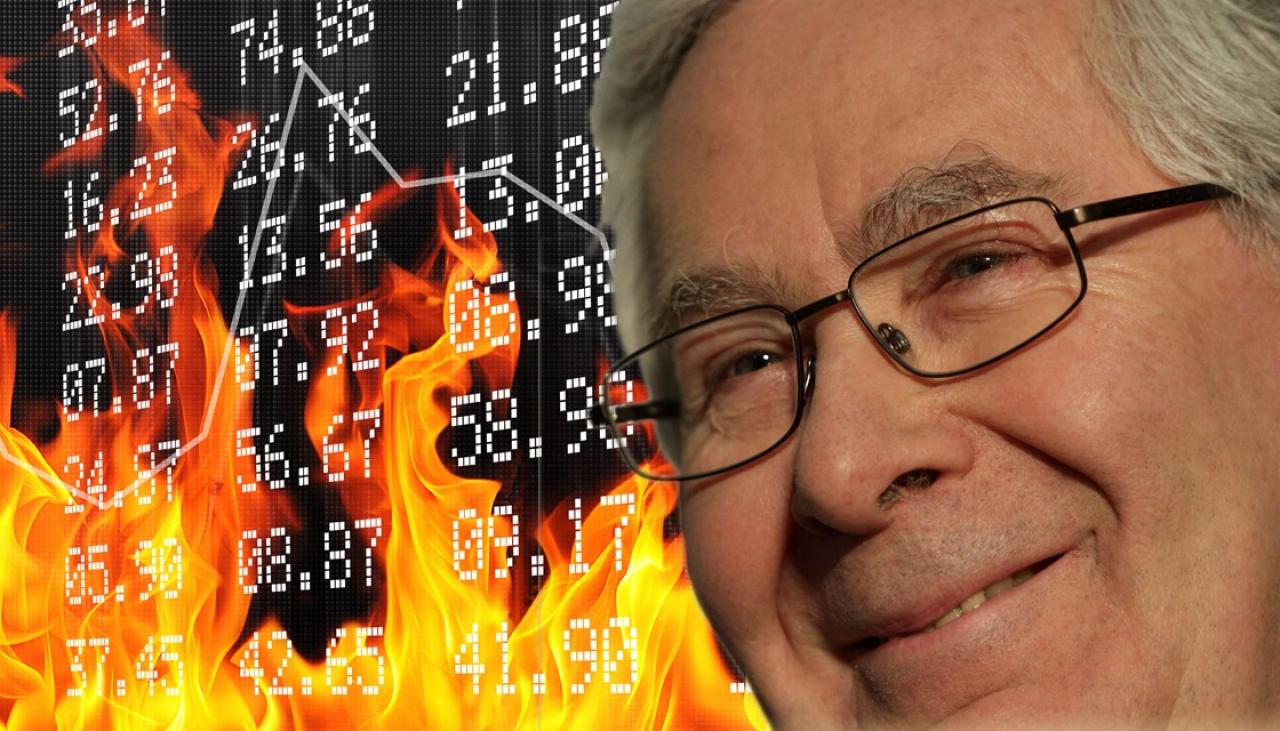
‘Resistance to new thinking meant a repeat of the financial chaos of the 2008-09 period was looming.’- Lord King. Photo:newshub.co.nz
‘The world is sleepwalking towards a fresh economic and financial crisis that will have devastating consequences for the democratic market system, according to the former Bank of England governor Mervyn King.
Lord King, who was in charge at Threadneedle Street during the near-death of the global banking system and deep economic slump a decade ago, said the resistance to new thinking meant a repeat of the chaos of the 2008-09 period was looming.
Giving a lecture in Washington at the annual meeting of the International Monetary Fund, King said there had been no fundamental questioning of the ideas that led to the crisis of a decade ago.
“Another economic and financial crisis would be devastating to the legitimacy of a democratic market system,” he said. “By sticking to the new orthodoxy of monetary policy and pretending that we have made the banking system safe, we are sleepwalking towards that crisis.”
He added that the US would suffer a “financial armageddon” if its central bank – the Federal Reserve – lacked the necessary firepower to combat another episode similar to the sub-prime mortgage sell-off.
King, Mark Carney’s predecessor as Bank of England governor, said that following the Great Depression of the 1930s there had been new thinking and intellectual change.
“No one can doubt that we are once more living through a period of political turmoil. But there has been no comparable questioning of the basic ideas underpinning economic policy. That needs to change.”
The former Bank governor said the economic and political climate had rarely been so fraught, citing the US-China trade war, riots in Hong Kong, problems in key emerging countries such as Argentina and Turkey, the growing tensions between France and Germany over the future direction of the euro, and the increasingly bitter political conflict in the US at a time when the willingness of the US to act as the world’s policeman was disappearing.
“Ripples on the surface of our politics have become breaking waves as the winds of change have gained force,” he said.
King said the world economy was stuck in a low growth trap and that the recovery from the slump of 2008-09 was weaker than that after the Great Depression.
“Following the Great Inflation, the Great Stability and the Great Recession, we have entered the Great Stagnation.” King said that in 2013 the former US Treasury secretary Larry Summers had reintroduced the concept of secular stagnation, a permanent period of low growth in which ultra-low interest rates are ineffective: “It is surely now time to admit that we are experiencing it.”
Standard models were unhelpful in two important areas of economic policy – getting the world economy out of its low growth trap, and preparing for the next financial crisis.
“Conventional wisdom attributes the stagnation largely to supply factors as the underlying growth rate of productivity appears to have fallen. But data can be interpreted only within a theory or model. And it is surprising that there has been so much resistance to the hypothesis that, not just the United States, but the world as a whole is suffering from demand-led secular stagnation.”
King said the world entered and departed from the global financial crisis with a distorted pattern of demand and output. To escape permanently from a low growth trap involved a reallocation of resources from one component of demand to another, from one sector to another, and from one firm to another.
“There has been excess investment in some parts of the economy – the export sector in China and Germany and commercial property in other advanced economies, for example – and insufficient in others – infrastructure investment in many western countries. To bring about such a shift of resources – both capital and labour – will require a much broader set of policies than simply monetary stimulus.”
He added: “It is the failure to face up to the need for action on many policy fronts that has led to the demand stagnation of the past decade. And without action to deal with the structural weaknesses of the global economy, there is a risk of another financial crisis, emanating this time not from the US banking system but from weak financial systems elsewhere.”
King said it was time for the Federal Reserve and other central banks to begin talks behind closed doors with politicians to make legislators aware of how vulnerable they would be in the event of another crisis.
He said: “Congress would be confronted with a choice between financial Armageddon and a suspension of some of the rules that were introduced after the last crisis to limit the ability of the Fed to lend.”
*This article by Larry Elliott was first published in the Guardian on Sunday 20 October 2019. Read the original article here
At the lecture in Washington at the annual meeting of the International Monetary Fund, 'King said there had been no fundamental questioning of the ideas that led to the crisis of a decade ago.’
I am delighted to note that we, the GCGI Community, have not been asleep, we have been fully awake, discussing, debating, reflecting, trying to understand the 2008 Financial Crisis. Moreover, we have been at the forefront of ‘fundamental questioning’ of the reasons for the crisis, their continuing and deepening nature and our assumed inability to solve them.
Furthermore, perhaps our greatest accomplishment has been our ability not to shy away from the big and challenging questions, and collectively be guided by values-led education, thoughts and ideas, taking action for the common good, making recommendations to build a better, fairer and more harmonious world.
'Explaining the Current Financial and Economic Crisis'
A Perspective from the GCGI
2008-2018 Crises: Have we learned anything?
Calling all academic economists: What are you teaching your students?
How to make the Nobel Prize in Economics Noble?
Towards an Education Worth Believing In
My Economics and Business Educators’ Oath: My Promise to My Students
Small is Beautiful: The Wisdom of E.F. Schumacher
The beauty of living simply: the forgotten wisdom of William Morris
"In Search of the Virtuous Economy: A Plea for Dialogue, Wisdom, and the Common Good"
“GLOBALIZATION: THE CHALLENGE TO AMERICA”
“The Power of Purpose and Values: The Path to a Better World”
- Details
- Written by: Kamran Mofid
- Hits: 3055
A Call to Action from Our Children and Grandchildren.
We Must Not Let Them Down!
WE, THE FUTURE GENERATION, ASK YOU TO CHOOSE US
Actions not words: Swedish climate activist, Greta Thunberg, speaks at the opening of the UN Climate Action Summit, New York, 23 September 2019
“You have stolen my dreams and my childhood with your empty words. We are at the beginning of a mass extinction and all you can do is talk about money and fairy tales of eternal growth. How dare you!”
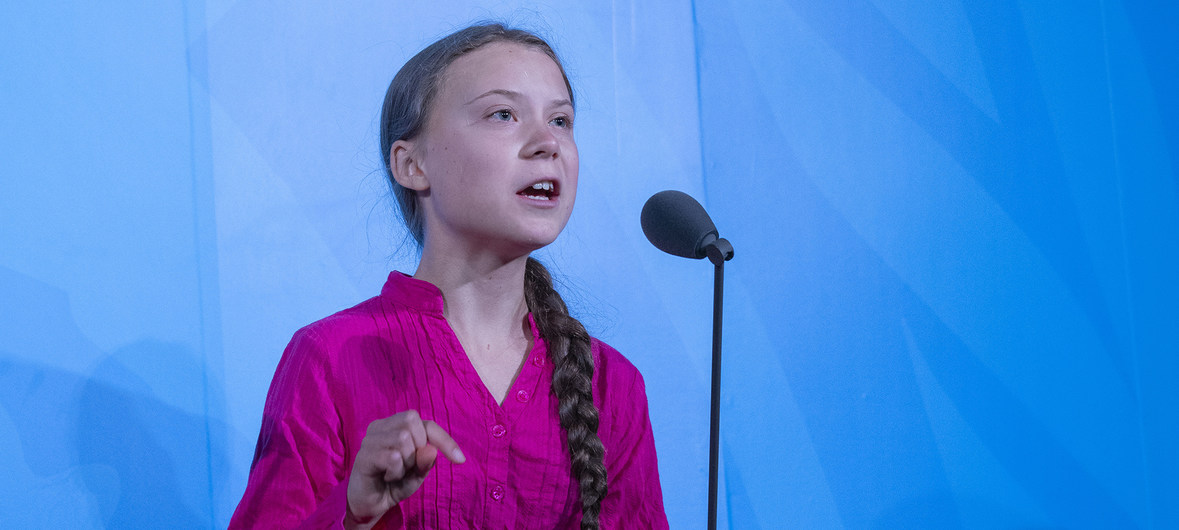 Greta Thunberg. Photo:un.org
‘Climate crisis: Imagine, perhaps life is for real and everything we do matters’
The Message to the World: Time is running out for a world at risk of war with itself, destroying the only collective home we have, Our Sacred Earth
The Time is Now to Take Action.
‘Time is running out for a world at risk…threats that were considered inconceivable, no longer are.’
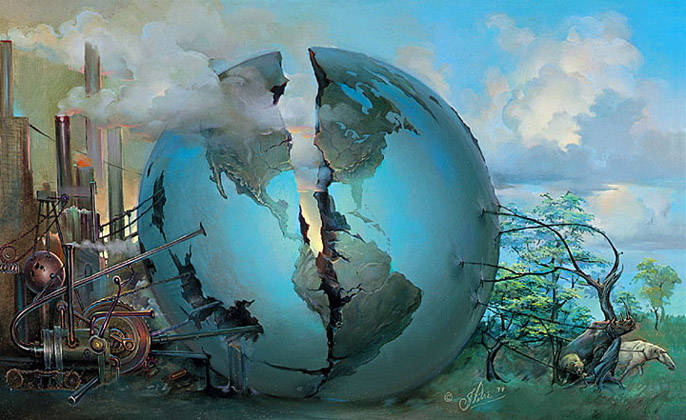
Photo:littlesun.canalblog.com
At the GCGI we believe that the continuing and deepening climate and ecological crisis are the defining issues of our lifetimes and that our sacred earth, our home, is in the grip of an unparalleled emergency.
And we also know that our GCGI community, friends, and family are also equally passionate about the need for governments, businesses, education, media, NGOs, civil societies and individuals to take immediate action to avoid a catastrophe for humanity and for the natural world.
We must all standup and fight for a better ecological protection and be accountable to a most fundamental question: What it means to be human?
In her speech to Congress in September, Greta Thunberg said: “This is the moment in history when we need to be wide awake.”
I agree. Moreover, I am proud that over the past many years, the GCGI has been at the forefront of the struggle for a better socioeconomic policies, an informed and values-led education, simpler living, protecting the commons, loving and valuing mother nature and our sacred earth.
We have done these through our activism,advocacy, taking action in the interest of the common good, articles, blogs and conferences, some of them, I have noted below:
What kind of world do we want to sustain?
Can You Hear us and Mother Earth Crying?
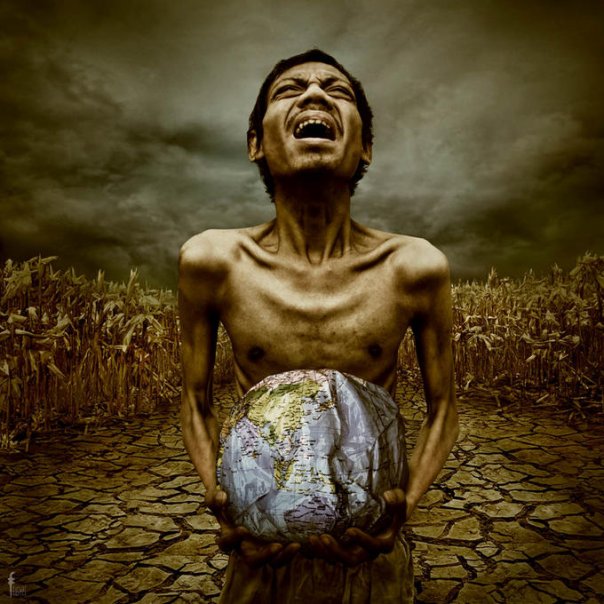
A painting by Berrin Duma. Photo: turkishpaintings.com
Mother Earth is Crying: A Path to Spiritual Ecology and Sustainability
Biomimicry: Learning from Nature
Anthea Lawson, We Owe it to Our Humanity to hear you, to emulate you
Dr. Larch Maxey, We Owe it to Our Humanity to hear you, to emulate you
Visions of a New Earth: Responding to the Ecological Challenge- The Report
Pursuing Common Values: A Call to Recover our Moral and Spiritual Imagination, Transforming Society
The Power of Yellowstone: ‘for the enjoyment and benefit of the People.’
Sustainable Development Goals: Where is the Common Good?
The GCGI-SES Lucca Forum: Here's to 2018, Our Journey of Hope, caring for Our Sacred Earth
Eruption of Hope: Earth Day 2018
To Heal the World and People We Need to Save the Commons from Plunder
The beauty of living simply: the forgotten wisdom of William Morris
Slow Food for the Common Good to save the World
Can we price everything, or are somethings in life just priceless?
Are you physically and emotionally drained? I know of a good and cost-free solution!
A Sure Path to build a Better World: How nature helps us feel good and do good
Nature the Best Teacher: Re-Connecting the World’s Children with Nature
- Love Letter to the Earth
- GCGI Friends Newsletter Autumn 2019: Hope and the Common Good
- The Unrealized Horrors of Population Explosion and High-Rise Living in Iran since the Revolution
- ‘Baba’s Wisdom: Inspiration for a Simple, Happy Life’- A Reflection
- The Most Compelling Story of Boris Johnson’s Madness and his Nonsensical Brexit