- Details
- Written by: Kamran Mofid
- Hits: 32631
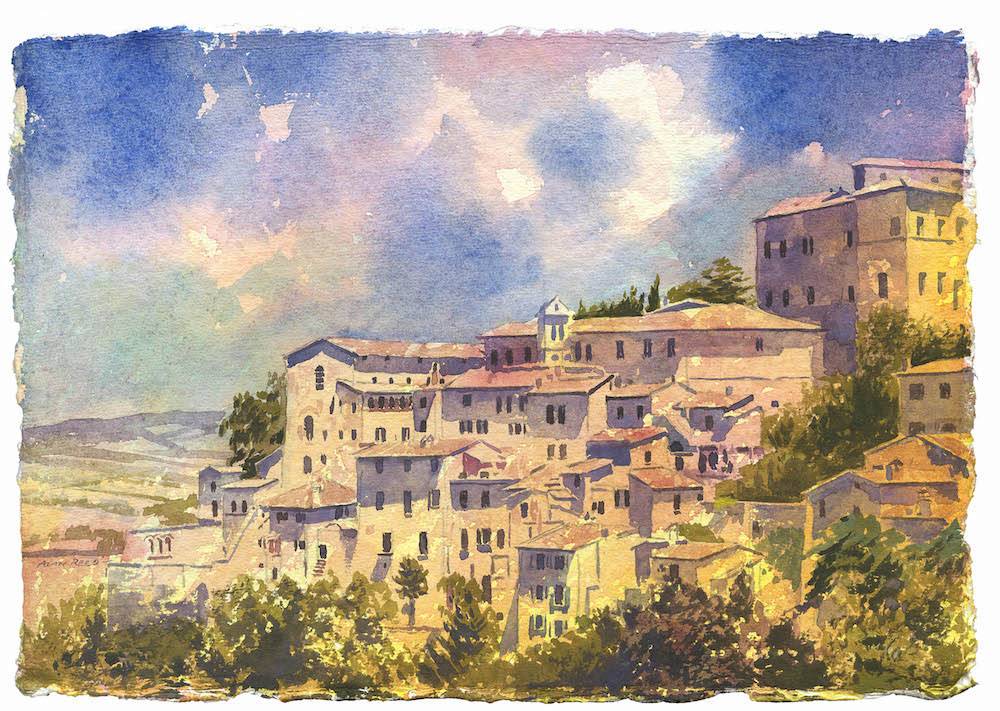
Todi, an original watercolour painting on hand made paper by Alan Reed. alanreed.com
Cortona Week in Todi, 22-29 June 2019 – Being Human in a Technological World
A programme to foster a new class of world leaders
An inspiring interdisciplinary week in the heart of Italian Renaissance
An immersion in the complexity of today's world
A Reflection by Kamran Mofid
O You Who’ve gone on Pilgrimage
Come, Come, Whoever You Are, Come
Ours is not a caravan of despair.
Ours is a Journey of Hope
What You Seek Is Seeking You ~ Rumi
In a world of spiraling ecological, socio-political, technological and economic crises, where does one find hope and wisdom?
Where can we search for and discover our spiritual calling and be one with the world and with each other?
We came to Todi in search of possible answers and we discovered them with joy and gratitude at Todi- Week 2019
To understand, appreciate, and face the challenges of the contemporary world requires us to focus on life’s big picture. Whether it is war and peace, economics and the environment, justice and injustice, love and hatred, mindlessness and mindfulness, arrogance and humility, cooperation and competition, common good and selfishness, science and technology, progress and poverty, profit and loss, food and population, energy and water, disease and health, hope and hopelessness, friendship and loneliness, happiness and sadness, education and family, we need the big picture in order to understand and solve the many pressing problems, large and small, regional or global.
The “Big Picture” is also the context in which we can most productively explore the big perennial questions of life - purpose and meaning, virtues and values.
In order to focus on life’s bigger picture, we came together at Todi with hope and determination for dialogue, conversation, listening to one another, sharing ideas and visions, enabling and empowering each other, so that we may be able to see, discover and paint the ‘Big Picture’, carving an everlasting sculpture of beauty and wisdom.
And, yes, we were not disappointed. We rose to this big challenge at our Todi-Week 2019.
Once again, the Chairman of The Cortona Friends Association, Prof. Pier Luigi Luisi, and his superb and committed team of volunteers, succeeded in spectacular fashion, in bringing together a wonderfully eclectic mix of speakers, workshop leaders, delegates and participants, binding us together in a common purpose and vision. The quality of the presentations was richly broad and penetratingly deep. Various speakers discussed the need for connection and relationships, and how consumerism and materialism were misplaced attempts to find what we really need, ‘Values and Spiritual Wisdom’, which we are starved of in the global economic market system.
We engaged with each other with big questions of life, questions, such as: Who are we? Where have we come from ? Where are we going to? What is the purpose of this journey we call life? What it means to be human?
At our Todi-Week 2019, we were once again able to reaffirm our values and commitment to share a common belief in the potential of each one of us to become self-directed, empowered, and active in defining this time in the world as an opportunity for positive change and healing and for the true formation of a culture of peace by giving thanks, spreading joy, sharing love, seeing miracles, discovering goodness, embracing kindness, practicing patience, teaching tolerance, encouraging laughter, celebrating diversity, showing compassion, turning from hatred, practicing forgiveness, peacefully resolving conflicts, communicating non-violently, choosing happiness and enjoying life.
This year, we once again, found unity with one another, we found connection. We found it in our search for truth and in our hopes to build a better world in ways both large and small. We listened intently to each other’s presentations. We engaged in dialogue during the formal sessions, and again more informally as we ate together and shared perspectives. What we hope for the world, we found in a special way, this year, at our inspiring and rewarding Todi- Week.
The Conference brought together over 100 participants to celebrate, appreciate, and discuss the importance of ‘Being Human in a Technological World’. The participants came from many walks of life, many countries, diverse ethnicities, and different spiritual, philosophical, and religious perspectives. They also came from a wide breadth of both academic disciplines and career paths. Many were teachers and professors, students and PhD candidates, some were entrepreneurs, social and business, some were highly accomplished musicians and artists, calligraphers, sculptors and drummers, others were gifted spiritual, political, and community leaders, to name but a few. All were united by a desire to make this world we live in a more just, more equal, more ecological, and more relational. For it is in relationships with one another and in our relationships with the earth and all the web of life that human beings find happiness, peace and purpose.
Until we meet again at the next Todi-Week Conference, let us remain a Community in our hearts as we work together, not alone, in spirit to build a better world, just as we did, at this year's Conference, by enjoying life and giving thanks for all the gifts we have received.
Watch the Conference Videos here
Watch the Video Celebrating the Joy of Beauty, Happiness and Friendship
And now I want to conclude my reflection, by recalling the beautiful and inspiring words of William Stafford, American poet and pacifist:
“A Valley Like This”
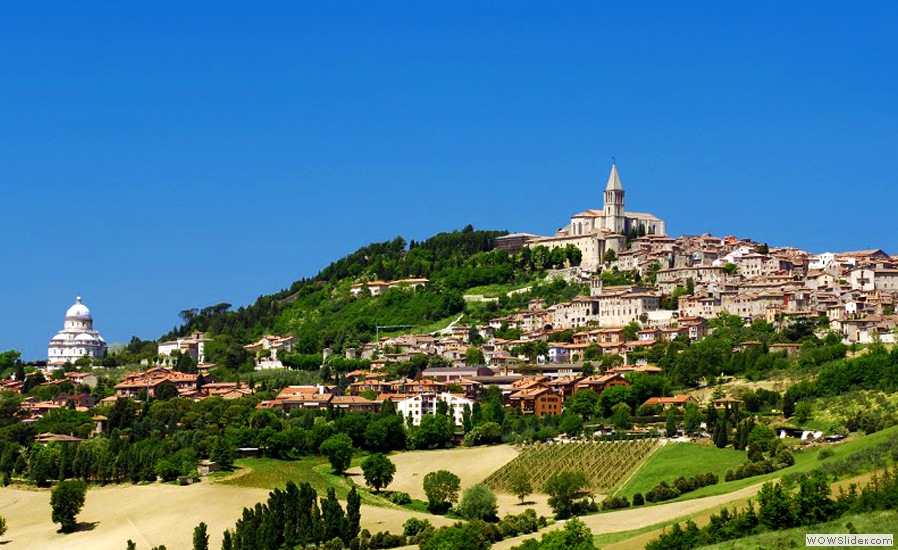
Photo:umbriadomus.com
Sometimes you look at an empty valley like this,
and suddenly the air is filled with snow.
That is the way the whole world happened —
there was nothing, and then…
But maybe some time you will look out and even
the mountains are gone, the world become nothing
again. What can a person do to help
bring back the world?
We have to watch it and then look at each other.
Together we hold it close and carefully
save it, like a bubble that can disappear
if we don’t watch out.
Please think about this as you go on. Breathe on the world.
Hold out your hands to it. When mornings and evenings
roll along, watch how they open and close, how they
invite you to the long party that your life is.
- Details
- Written by: Kamran Mofid
- Hits: 5440
The remarkable characteristic of our chaotic and crisis riddled world today is their deepening and continuity

Photo:outerlimitsradio.com
Crisis after Crisis: Financial Crisis. Credit and Banking Crisis. Environmental and Ecological Crisis. Biodiversity Crisis. Housing Crisis. Health and Well-being Crisis. Education Crisis. Spiritual and Moral Crisis. Trust and Trusting Crisis. Indifference Crisis. Fake, Fake News and Faking Crisis. Reality Crisis. Populism and Fascism Crisis,...all of them leading ours to be a generalized "time of crisis."
The pertinent question at this time of crisis must surely be: When and how on earth are we, the people, the citizens, going to rise and challenge the underlying causes of crisis by saying enough is enough. I am not going to be fooled anymore. I am going to challenge the system and the so-called leaders that for so long have abused me, lied to me, cheated me, humiliated me and have brought me such a bitter harvest.
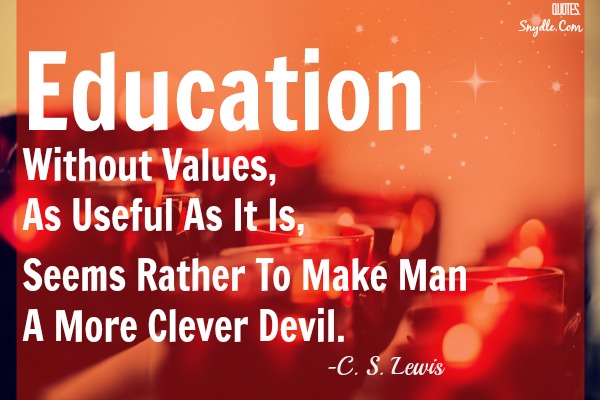
Here and now, in this short piece, rooting my argument in common sense and everyday reality, I am setting up my stall by saying it loud and clear, once and for all, that, the main culprit for this ugly rise in crisis of all sorts is the global rise in values-less, meaningless, nonsensical education. Wherever you go, the same nonsense is on offer!
This is my first charge. The second charge, that follows from the first, is the accompanying rise in the narcissistic and egoistic elites, worldwide, who are undermining the common good; which constitutes the very essence of any society or nation.
The third charge that neatly follows the first two, is that, all in all, by and large, the citizens have now become the spitting image of the narcissistic leaders, deflecting their attention from a much needed social critique.
This process can and must be reversed. But first we need to weigh the moral obligations of citizenship and carefully consider how we relate to honour, shame, patriotism, nationalism, trust, beauty, wisdom, truth, and the meaning of leadership. In the final part, below, I will shed some light on how this might be possible.
Education to Better the World
In the wise words of Irina Bokova Director-General of UNESCO, ‘There is no more powerful transformative force than education – to promote human rights and dignity, to eradicate poverty and deepen sustainability, to build a better future for all, founded on equal rights and social justice, respect for cultural diversity, and international solidarity and shared responsibility, all of which are fundamental aspects of our common humanity.’
This is why, as I have been saying for a long time now, that we must begin to think big again, by focusing our minds on the big questions of life, and re-vision education in a changing world. For this, we need debate and dialogue across the board, and that is the goal of this Blog – to be both aspirational and inspirational, to speak to new times, to be a voice of hope and possibilities.
Mind before Matter: Debunking the Myth of Education
Many prophets, sages and scriptures have reminded us that "in the beginning" was the divine Mind, from which comes the universe of time and space in a Big Bang, and it is always there underlying all that is, including our own consciousness, but we have to mindfully notice its whispers and winks as we move through our lives.
This is My Charge Sheet
Our education system by and large has failed us all, with hugely tragic consequences. When education is designed, controlled and implemented by narcissistic political and business elites, who have become prisoners of a reckless ideology-neoliberalism- drunk on market values and market forces, all morally and spiritually objectionable and intellectually bankrupt, when education is not for the pursuit of wisdom, virtues and beauty, when students are called customers, and education becomes a commodity, when universities become service providers and centres of business, trading in “commodities” buying them cheap and selling them to the highest bidders, when teaching is not a vocation, when learning is not a sacrament, when education is all about the rankings and targets, when it all becomes about running low quality courses, with no heart, spirit and meaning, just to get ‘bums on seats’, taught by stressed, fatigued, overworked and not-valued faculty, when it is all about delivery at the lowest possible costs, and exam results are hugely inflated, to keep the customers happy and not complaining; then, we have opened the doors to the destruction of all that makes life good and worthwhile.
In due course, the consumerist citizens, now fully materialistic and not able to find the happiness that was promised them via consumption and shopping, they become fearful, insecure, hopeless, helpless, frustrated, angry and in despair. The popular culture, the social media become a pithy substitute for real life. Virtual friends, overtake the real friends and comradeship. Trivia and amusement supplant substance and meaning. The citizen becomes sinister and complacent, easy prey, prone to acts of indifference, voting against their own self interest, allowing caricatures to lead them, making decisions for them, deflecting their attention from a much needed social critique; from questions of substance. Questions, like what it means to be a human? What is the purpose of this journey we call life? How can I lead a meaningful and worthwhile life?
All in all, the citizens then become the spitting image of the narcissistic leaders, and all is lost.
This, in a nutshell, is the tragedy of our time, and nothing, but a sea change, a moral and spiritual revolution in our education system, model and values, can bring the vital changes we need to reverse the bad with goodness, ugliness with beauty, to enable and empower us to build a better world, many of us are hoping and dreaming for. Carpe Diem!
Debunking the Myth of Leaders and Leadership
Our Narcissistic and Egoistic Elites Undermining the Common Good
Like the ancient Greek myth of a beautiful youth Narcissus, who died through falling in love with his own image, today, our elites too, are in love with themselves, incapable of empathy, unable to relate to and totally unaware of other people’s needs, or even their existence…Selfish and individualistic, they are devoid of any humanity, altruism, kindness, compassion or a sense of justice. They show no remorse for their destructive actions. They destroy the common good and create a society based on fear, anxiety and hatred. ‘The re-modelling of the public organisations as ‘efficient’ (read flexible and dispensable) business units, the widespread privatisation of the Commons and the diminution of the value of the public good are just a few of the means by which this has been achieved.’
Now, the biggest question of them all: What is to be done?
We must transform our lives and values to save ourselves
Without a Better Education, a Better World is not Possible
Rethinking Education
A Path to Rediscovering the Common Good in Values-led Education

Holding Hands for the Common Good
The principle of seeking the common good states that “individual rights are always experienced within the context of promotion of the common good. The common good is about respecting the rights and responsibilities of all people. The individual does not have unfettered rights at the expense of others, but nor are individual rights to be subordinated to the needs of the group.”-Photo:nellathink.com
In a nutshell, the world today is at a crossroads. We live in a world that promotes working for our own ends, but if we are to survive and flourish it is time to start sacrificing for the common good by working together, nurturing and nourishing our souls and minds, imagining a better life for all.
In Education and the Common Good: A Moral Philosophy of the Curriculum, Philip Phenix outlines two types of democracy: the democracy of desire and the democracy of worth. He describes the first, desire, as the “highest good”, characterized by independence and autonomy. “Human beings are regarded as continually in pursuit of happiness,” he writes, “and the goal of this democracy is to help people as far as possible get what they want.”
The second type, democracy of worth, Phenix states, “[C]enters around devotion or loyalty to the good, the right, the true, the excellent. Devotion is different from desire. It is primarily other-regarding rather than self-interested. It invites sacrifice and loyalty instead of conferring gratification.”
Within the education for the common good, we have opportunities to work together out of sacrifice and love, when the ultimate duty is to prepare all citizens for a democracy of worth: community members devote themselves to providing all pupils and students the chance to reach their optimal potential. All are allowed to use their strengths and talents towards the common good. Democracy of worth is the ultimate goal, where the focus is on a love for all.
However, as I noted above, unfortunately, the current global education system is following the democracy of desire model, in which the pursuit of individual self is overriding the devotion to the good; where providers of education are encouraged to act like the free market, promoting competition as the vehicle to better serve students’ needs and priorities. This is not what a true education is all about. That’s not what learning is supposed to be. Learning is about working together to understand concepts, each other, and about finding our place to help each other., lifting each other up, helping to build a better and more harmonious and life for all.
Thus, our focus, our vision should involve a democracy where all are of worth; not a few, but the many, the all.
In the world today, it seems, we are in the midst of a moral and spiritual revolution that is about creating a democracy of value in which the central focus is love. The task is daunting, but when all of us come together and sacrifice part of ourselves for the common good, there is hope for everyone.
Let us come together for the common good. Let us not deny love to all our children and grandchildren. Our children and future generations deserve our devotion to the notion that education is a common good for all. Carpe Diem!
To read and reflect more on how to rediscover education for the common good, see below:
For the Common Good: Unleashing the Power of Passion & Purpose
A Path to a Spiritual Education for the Common Good: Education for a Just and Sustainable World
Are Universities still for the Common Good? No way! It’s all about Money, Money, and more Money!
Globalisation and Education for the Common Good: A Path to Sustainability, Well-being and Happiness
The Wisdom of "ubuntu": Giving and Sharing for the Common Good
Thanks, Danny Boyle, for Celebrating the Common Good
Quakerism and Economics of the Common Good
Beyond the Wasteland: Seven Common Good Steps to Build a Compassionate World
The rise in global fascism: A failure of education?
Britain today and the Bankruptcy of Ideas, Vision and Values-less Education
Brexit, Trump and the failure of our universities to pursue wisdom
A Reflection on Selfishness and Selfish Business Model
Private education, posh boys and the ruining of Britain:The Story Straight from the horse's mouth
Calling all academic economists: What are you teaching your students?
Economics and Economists Engulfed By Crises: What Do We Tell the Students?
The Journey to Sophia: Education for Wisdom
In this troubled world let the beauty of nature and simple life be our greatest teachers
Recession, Austerity, Mental, Emotional and Physical Illness
The Damning Impact of a Toxic Philosophy on America: The Tragedy of Ayn Rand
Mr Trump, we are not what we earn!(23 June 2017)
What might an Economy for the Common Good look like?
My Economics and Business Educators’ Oath: My Promise to My Students(27 June 2015)
- Details
- Written by: Kamran Mofid
- Hits: 4331
A Reflection on yet another Tory leadership circus
From hubris to nemesis: the Conservative Party and Britain in crisis
This place, our country, our home, is one of contrasts, uncertainty and flux, because of a relentless drive for money and power by the few.
In response, we, the people, the citizens, must rise up and hold power to account.
They all want to lead us. Where to, you may ask!!
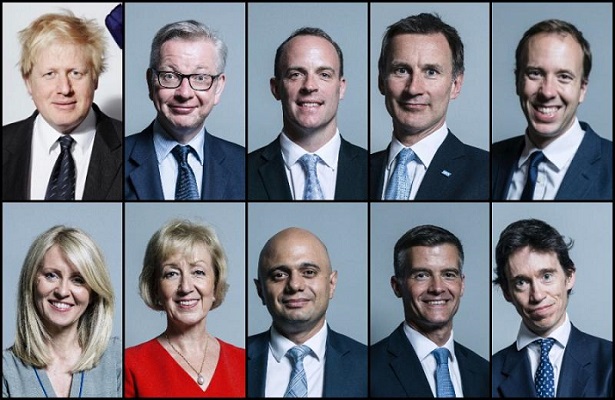
Photo:daily-sun.com
The Lost Souls
‘We are the ones that no one gave a chance
We are the ones that almost lost it all
Ghost in the hallway who never catch a glance
We are the lost
We are the lost souls
Our hearts, our souls are shallow empty holes
We sing this anthem for us all’...ASKING ALEXANDRIA - The Lost Souls
Send in the Clowns:
‘The sight of Tory ministers jostling each other off stage as they stake their claims to be the next Prime Minister is a pretty sickening spectacle. These clowns are making a circus out of governing the country – but nobody is laughing. Despite their failings, they have the born-to-rule sense of entitlement that makes them think they are the only people who can manage Brexit, and the economic aftermath.
Having given Britain its worst decade of growth since World War II, half the Tory party want the hard Brexit that would wreck what is left of our manufacturing industries. Today Boris Johnson, the chief clown, arrives with a prescription that somehow setting Britain adrift in the world will lead to great riches.’...Tory clowns are no laughing matter
Read also what the mayor of Liverpool thinks about the Tory leadership candidates
The Tory leadership battle is making Britain the kind of nation we used to laugh at
UK led towards no-deal Brexit by untruthful elite, says ex-EU envoy
TV debate brought home a terrifying truth: one of these men will be PM
We know that they are all clueless jokers. But, the pertinent question is: Why and How? Thus, please continue to read below.

Britain today and the Bankruptcy of Ideas, Vision and Values-less Education
“The charge sheet is this. The government is led by a clique of toffs who have neither respect for their colleagues, nor empathy with the average voter. Their born-to-rule mentality means they have a greatly over-inflated view of their own capabilities, which deafens their ears to the advice and warnings of others who might actually know better. They are nothing like as good at governing as they think they are. And this, the charge sheet concludes, is now inflicting serious harm on both the country and the Conservatives' future electoral prospects. This view is now becoming more and more prevalent in the media, too, even among the press that the Conservatives would normally count as their friends.”-Andrew Rawnsley, The Observer, 29 April 2012
First, Lest We Forget
Our Narcissistic and Egoistic Elites Undermining the Common Good
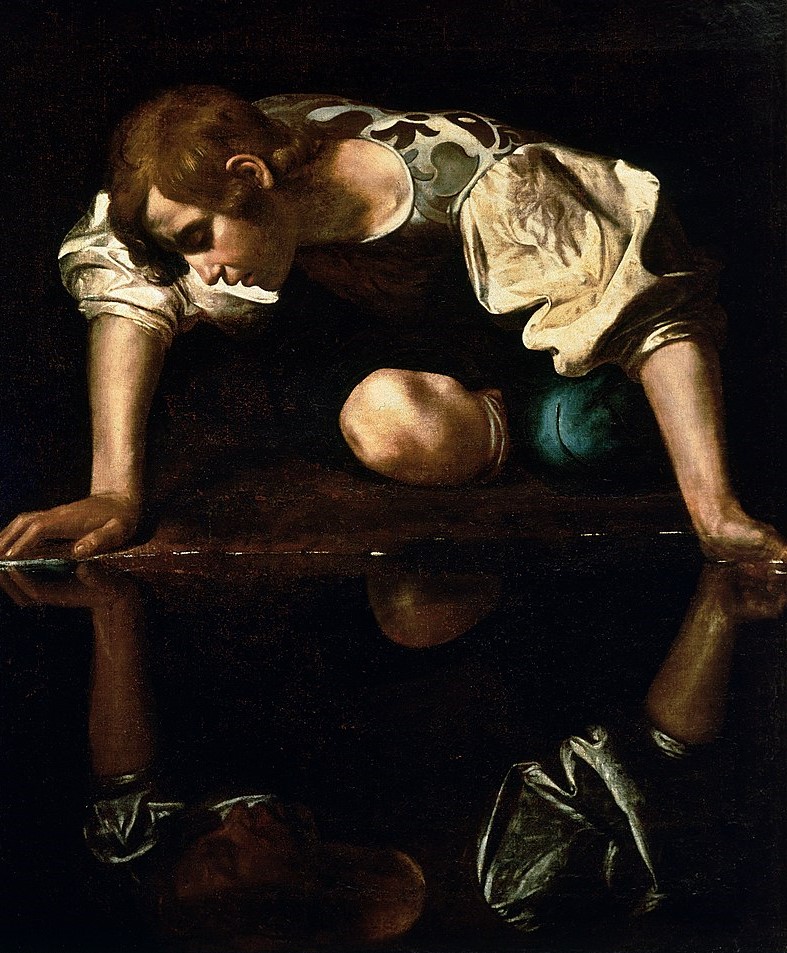
Narcissus by Caravaggio depicts Narcissus gazing at his own reflection.Photo:wikipedia.org
Like the ancient Greek myth of a beautiful youth Narcissus, who died through falling in love with his own image, today, our elites too, are in love with themselves, incapable of empathy, unable to relate to and totally unaware of other people’s needs, or even their existence…Selfish and individualistic, they are devoid of any humanity, altruism, kindness, compassion or a sense of justice. They show no remorse for their destructive actions. They destroy the common good and create a society based on fear, anxiety and hatred. ‘The re-modelling of the public organisations as ‘efficient’ (read flexible and dispensable) business units, the widespread privatisation of the Commons and the diminution of the value of the public good are just a few of the means by which this has been achieved.’
The crisis we face today is more serious than we think. It is perhaps the greatest crisis in modern history. It is not just about economics, politics, business, finance.... If it was only about these, then, perhaps, we could have mustered some hope to tackle them.
What we are facing is the bankruptcy of ideas of a governing class, drunk on their pomposity, arrogance, moral and spiritual blindness, and above all, their silly ‘Poshness’. Like a drunk, confused and separated from reality, they can't ask the right questions and therefore, not in a position to give the right answers.
What choice can we have? What would be the alternatives on offer? None, because there is none to begin with. Our nation is facing nothingness, emptiness. Hollowness and shallowness of ideas, vision and insight. Just more of the same, the past recycled to represent the future.
The front runner, Boris, is promising tax cuts for the super rich, as did his idle, Margaret, all those decades ago! Wow! So yesteryear, so unimaginative. Where has Boris been hiding? Thatcherism is now very much discredited; even the IMF- the once main cheerleader for neo-liberalism- has disowned and rubbished it.
Given the love of the posh boys for neoliberalism, tax cuts for the rich and cut backs for the poor, the nation they wish to lead, is facing an epidemic crisis in mental health, affecting all ages. Then, Boris can only come up with tax cuts for the super rich! This is not only shameful, inhumane and unjust, but, totally STUPID. (More on this below)
At the time of significant national crisis of ideas and trust, this bunch of posh boys and girls have given themselves the power and privilege to speak on behalf of the nation, on what is right or what is wrong. How low have we all sank to, when this bunch, crippled by their own uselessness and irrelevance, are fighting each other to be our next leader.
That is, until such a time, when, they too, will be betrayed and humiliated by their own cabinet, and are forced out of the high office again, crying their eyes out, mumbling loving their country!! Recalling Margaret and Teresa's tearful departures!!
So, what has gone wrong? Why are we falling deeper and deeper in despair? Why are we allowing this comedy of errors every couple of years? Why are we not rising to claim our moral and spiritual compass, sending the clowns packing?
My answer is simple: Our education system by and large has failed us all, with hugely tragic consequences. When education is designed, controlled and implemented by narcissistic political and business elites, who have become prisoners of a reckless ideology-neoliberalism- drunk on market values and market forces, all morally and spiritually objectionable and intellectually bankrupt, when education is not for the pursuit of wisdom, virtues and beauty, when students are called customers, and education becomes a commodity, when universities become service providers and centres of business, trading in “commodities” buying them cheap and selling them to the highest bidders, when teaching is not a vocation, when learning is not a sacrament, when education is all about the rankings and targets, when it all becomes about running low quality courses, with no heart, spirit and meaning, just to get ‘bums on seats’, taught by stressed, fatigued, overworked and not-valued faculty, when it is all about delivery at the lowest possible costs, and exam results are hugely inflated, to keep the customers happy and not complaining; then, we have opened the doors to the destruction of all that makes life good and worthwhile.
In due course, the consumerist citizens, now fully materialistic and not able to find the happiness that was promised them via consumption and shopping, they become fearful, insecure, hopeless, helpless, frustrated, angry and in despair. The popular culture, the social media become a pithy substitute for real life. Virtual friends, overtake the real friends and comradeship. Trivia and amusement supplant substance and meaning. The citizen becomes sinister and complacent, easy prey, prone to acts of indifference, voting against their own self interest, allowing caricatures to lead them, making decisions for them, deflecting their attention from a much needed social critique; from questions of substance. Questions, like what it means to be a human? What is the purpose of this journey we call life? How can I lead a meaningful and worthwhile life?
All in all, the citizens then become the spitting image of the narcissistic leaders, and all is lost.
This, in a nutshell, is the tragedy of our time, and nothing, but a sea change, a moral and spiritual revolution in our education system, model and values, can bring the vital changes we need to reverse the bad with goodness, ugliness with beauty, to enable and empower us to build a better world, many of us are hoping and dreaming for. Carpe Diem!
So, what the solution might be: Very easy, I say, should we have the wisdom to see it: Values-Led Education in Pursuit of Wisdom as if People Mattered
I Have a Dream
I have a dream that one day every school, college and university will become a place of Values-led Education to Enable us all to Expand our Circle of Compassion and Wisdom, to Empower us to take Action in the Interest of the Common Good to give rise to Hope, to Build a Better World, Valuing the entire web of life
If you, too, share this dream with me, then, please see the links below. Many gems out there, to discover, to enable and empower us to build a better world. Built by us, we, the people, we, the citizens. No need for the 'poshies'!
But, first, a note on the moral blindness of the Posh Boy and the ruining of Britain
Our Ruling Class
The Question is: Would you buy a second hand car from any one of these guys?
God help you, if you do!
Britain is run by a self-serving clique. That’s why it’s in crisis
I was Boris Johnson’s boss: he is utterly unfit to be prime minister
Sexism, vandalism and bullying: inside the Boris Johnson-era Bullingdon Club

Men of the people? A few Posh Boys in the livery of the Oxford University Bullingdon Club
Dysfunctional & Delusional Governance: Posh Boys & Girls Ruining Britain
Second, a reflection on what the detached posh boys have done to us all. The deeply tragic consequences of Austerity, Austerity and Austerity! What kind of vision is that, you may ask?
Lest We Forget:
Austerity is:
-Voluntary;
-Achieved wholly through spending cuts;
and above all, it is ideologically driven.
This is nothing, but a manifestation of a cruel and inhumane state.
Austerity is nothing but hitting and punishing the innocents, poor, weak and vulnerable for the crimes of the rich and powerful
Capitalism for the Poor and Socialism for the Rich!
Recession, Austerity, Mental, Emotional and Physical Illness
Please also see:
It’s All in The Mind: Focus on Mental Health
Dealing with the consequences of the Posh Boy's Policies
A GCGI Initiative: Examining mental health issues around the world, with a special focus on children, youth, students, their teachers and lecturers.
This new GCGI Initiative is dedicated to the youth of the world, our children and grand- children, who are the unfolding story of the decades ahead. May they rise to the challenge of leading our troubled world, with hope and wisdom in the interest of the common good to a better future.
'A different world cannot be built by indifferent people.'
A country/nation drunk on market values, guided by cruel machinery of exploitation, racism, class division, austerity, cruelty, aggression, that humiliates it’s innocent, weak and vulnerable citizens, with neoliberalism, poverty, inequality and food banks and celebrates extreme individualism, feral competition, worship of mammon, rat-race to a success that it can never deliver and ignores the struggles and plight of its children and youth, ceases to be civilised and sooner or later ceases to exist morally or spiritually.
It’s All in The Mind: Focus on Mental Health
And now, finally, The Festival of Ideas: My Circle of Wisdom
This is how the rest of us, those lucky ordinary, down-to-earth individuals, can create a better country, a better world, a better life: The Key is a Values-led Education as if People Mattered
Towards an Education Worth Believing In
Brexit, Trump and the failure of our universities to pursue wisdom(26 November 2016)
Calling all academic economists: What are you teaching your students?(16 June 2015)
Economics and Economists Engulfed By Crises: What Do We Tell the Students?(22 April 2010)
The Journey to Sophia: Education for Wisdom
Nature the Best Teacher: Re-Connecting the World’s Children with Nature(10 April 2015)
The future that awaits the human venture: A Story from a Wise and Loving Teacher(2 June 2016)
The Value of Values: Why Values Matter(24 March 2014)
Why Happiness Should be Taught at Our Universities(12 January 2011)
Adam Smith and the Pursuit of Happiness(20 August 2014)
The Art of Living a Happier life: Solitude- The Most Important Skill Nobody Taught You(20 June 2018)
Meditation at the Shore(10 October 2014)
The future that awaits the human venture: A Story from a Wise and Loving Teacher(2 June 2016)
Mr Trump, we are not what we earn!(23 June 2017)
What might an Economy for the Common Good look like?(15 October 2014)
My Economics and Business Educators’ Oath: My Promise to My Students(27 June 2015)