- Details
- Written by: Kamran Mofid
- Hits: 2446
A reflection by Kamran Mofid PhD (Econ, Birmingham, 1986) & Certificate in Education in Pastoral Studies, Plater College, Oxford, 2001
And somehow the journey continues...
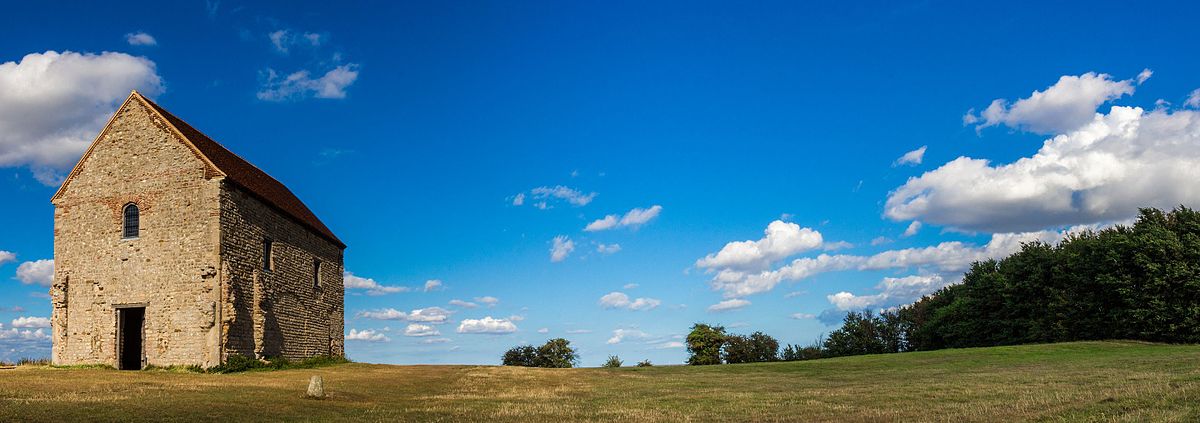
St. Peter's-On-the-Wall, Bradwell-On-The-Sea, Essex. It dates from between 660–662 and is believed to be the oldest active church in England.-Photo:wikimedia.org
Study after study have reported that, around the world, people, and especially the youth, have turned their backs on religion.*
Being without Believing: Is this the fate of the world In today's "post-modern society"?
If so, then, this saddens me. From the beginning , religion has been part of the human make-up, forming and shaping us. It has also been part of our cultural, spiritual, and intellectual discourse and history. Religion has been at the heart and foundation of literature, poetry, texts, stories, arts and architecture, our earliest attempt at cosmology, cosmos and psychology, philosophy, ethics and economics, the bridge between Nature and the human soul, making sense of where we are in the universe, and much more.
I, thus, hope that, one day, again, religions can become a source of human spirit of love and generosity, inspiring and empowering people to find answers to the timeless question of what it means to be human?
‘My religion is, to live through Love...In every religion there is love, yet love has no religion.’-Rumi
‘The World is my country, all mankind are my brethren, and to do good is my religion’-Thomas Paine
UK secularism on rise as more than half say they have no religion, according to the British Social Attitudes (BSA) survey for 2018
“The steady decline in religious belief among the British public is one of the most important trends in postwar history.”
“In just a decade the number proclaiming no faith has risen from 43% to 52%, as “secularisation continues unabated”. Back in 1983, the BSA’s first survey, two-thirds of the British called themselves religious. Now declining faith means that 12% are Anglicans, 7% Catholics, 19% another type of Christian, and 9% are of a non-Christian religion including 6% Muslims. Here’s the size of the shift towards outright atheism: a quarter of the public now boldly state “I do not believe in God”, compared with just 10% 20 years ago.”
What is Religion?
To Believe or Not to Believe that is the question
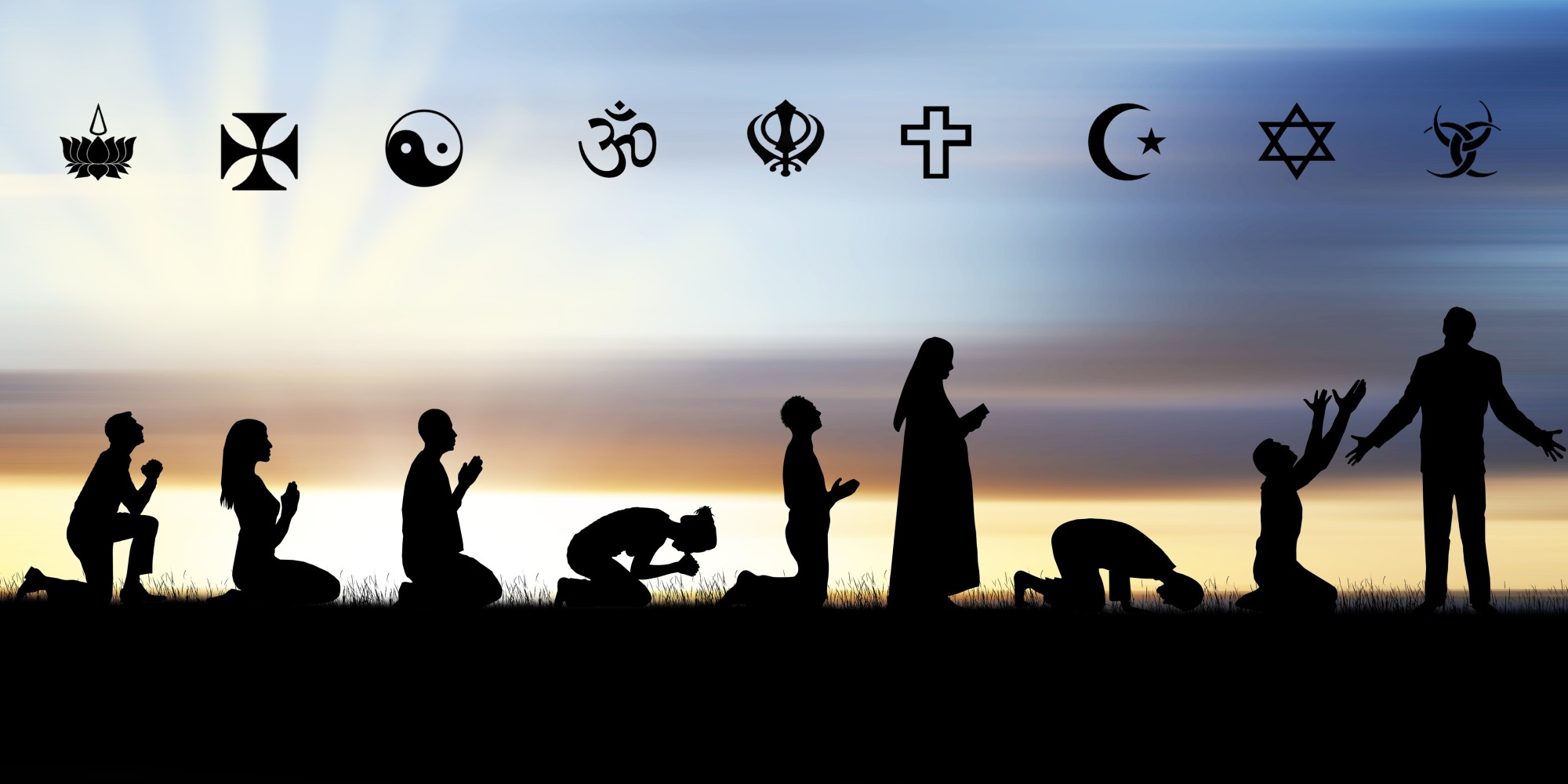
Photo:i.huffpost.com
‘UK secularism on rise as more than half say they have no religion’
This was the heading of an article in today’s Guardian(11 July 2019). In a recent survey, it is reported that only 1% of young people identify as Church of England and atheism is growing.
The gist of the report is noted below:
‘The growth of secularism in the UK is unabated with fresh data showing stark generational differences and a new confidence among the non-religious to declare themselves atheist.
Only 1% of people aged 18-24 identify as Church of England, according to the British Social Attitudes (BSA) survey for 2018. Even among over-75s, the most religious age group, only one in three people describe themselves as C of E.
Across all age groups, the younger people are the less likely they are to call themselves Anglican.
The steady decline in religious belief among the British public is “one of the most important trends in postwar history”, says the BSA report.
Fifty-two percent of the public say they do not belong to any religion, compared with 31% in 1983 when the BSA survey began tracking religious belief. The number of people identifying as Christian has fallen from 66% to 38% over the same period.
“Britain is becoming more secular not because adults are losing their religion but because older people with an attachment to the C of E and other Christian denominations are gradually being replaced in the population by younger unaffiliated people,” says the report.
“To put it another way, religious decline in Britain is generational; people tend to be less religious than their parents, and on average their children are even less religious than they are.”
Non-religious parents successfully transmit their lack of faith to their children, but two religious parents have only a 50/50 chance of passing on their faith, the report says.
The non-religious are increasingly atheist. One in four members of the public stated: “I do not believe in God,” compared with one in 10 in 1998. The figures challenge theories that people are “believing but not belonging” – in other words, that faith has become private rather than institutional – the report says.
The proportion of people who say they are “very or extremely non-religious” has more than doubled, from 14% to 33% in the past two decades.
Nevertheless, most people are tolerant of others’ religious beliefs. A large majority of both non-believers and people of faith have positive or neutral views of individuals who belong to a religion.
Only 3% of people say they would definitely not accept a mixed-faith marriage within their family, with 82% saying they would definitely or probably accept someone from a different religion marrying a relative.
As religious adherence declines, trust in scientific institutions is increasing, says the report. University scientists have a higher trust rating (82%) than corporate scientists (67%).
In terms of confidence in institutions, 11% of people say they trust churches and religious organisations, compared with 36% who have confidence in the education system, 34% in the legal system, 16% in business and industry and 8% in parliament.’
A pertinent question at this point must surely be: Why such a decline? Why only 11% of people have trust in religious institutions, the second lowest percentage after the parliament (8%)?
There must be many reasons for this. I don’t feel I am qualified enough to provide answers of all sorts to all of them. But, I feel confident enough, given my own life experience, journey and profession, to suggest, with utmost humility, the following:
Perhaps, it is time for our religious leaders, institutions and more, to engage people, and especially the youth, in a more spiritual, kinder way. More as a source of inspiration, beauty and wisdom, more dialogical, more talking with, rather than talking at. In short, more as a source of inspiration and less of dogmatic religiosity. In the words of Albert Einstein:
‘The religion of the future will be a cosmic religion. It will have to transcend a personal god and avoid dogma and theology. Encompassing both the natural and the spiritual, it will have to be based on a sense of intelligence arising from the spirit of all things, natural and spiritual, considered as a meaningful unity.’
Moreover, religion should be and be seen as being more concerned with the youth’s struggles, fears and anxiety about what they are going through, giving them hope, brightening their paths, becoming one with them, as they imagine a better life, a better world.
Religions and religious leaders should show more genuine and heartfelt sympathy and empathy with people’s pain of loneliness, hopelessness, virtual realities, economic and sociopolitical injustice, environmental and ecological degradation, insecurity, sexual orientation and gender identity, problems and challenges of personal and intergenerational relationships, and more.
‘Love is simply creation's greatest joy.’- Hafez
‘The lovers of God have no religion but God alone.’-Rumi
‘When I admire the wonders of a sunset or the beauty of the moon, my soul expands in the worship of the creator.’- Mahatma Gandhi
In this, a more spiritual path and two-way dialogue, youth can come to see religion and presence of God in the absolute wonder of life and the interconnection of all life as well as their own place in the entire web of life. Moreover, this kind of thinking, attitude and experience leads to the desire for action, understanding, debate, compassion, love, respect for all forms and aspects of life, ideas and insights.
In short, religion must encourage us to seriously and deeply think, ponder and reflect together on Life’s Big Questions, questions of meaning, values and purpose:
- What does it mean to be human?
- What does it mean to live a life of meaning and purpose?
- What does it mean to understand and appreciate the natural world?
- What does it mean to forge a more just society for the common good?
5- In what ways are we living our highest values?
6- How are we working to embody the changes we wish to see in the world?
7- What projects, models or initiatives give us the greatest sense of hope?
8- How can we do well in life by doing good?
By their very nature, these questions involve thought and discussion around spirituality, ethics, morals and values. This means that our lives are connected not only to knowledge, power and money, but also to faith, love and wisdom.
‘I have learned so much from God that I can no longer call myself a Christian, a Hindu, a Muslim, a Buddhist, a Jew. The Truth has shared so much of Itself with me that I can no longer call myself a man, a woman, an angel, or even a pure Soul. Love has befriended me so completely it has turned to ash and freed me of every concept and image my mind has ever known.’- Hafez
Good Thoughts, Good Words, Good Deeds
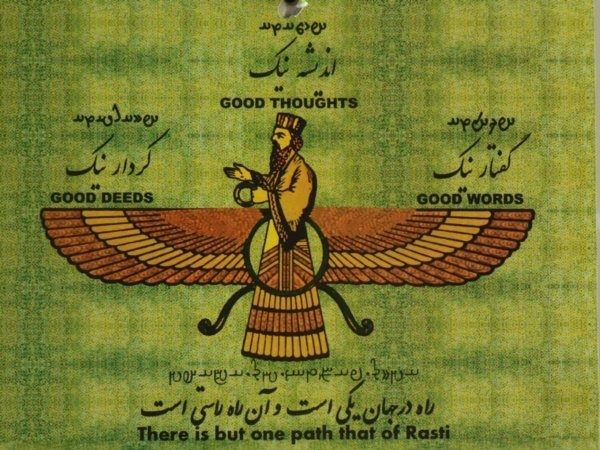
Think Good, Speak Good, Do Good
Doing Good is a simple and universal vision. A vision to which each and every one of us can connect and contribute to its realisation. A vision based on the belief that by doing good deeds, positive thinking and affirmative choice of words, feelings and actions, we can enhance goodness in the world.
How true these beautiful and timeless words are. I learnt them well in my formative years, growing up in Tehran. We lived in Tehran Pars (Parsi Tehran), a mainly Zoroasterian founded and developed neighborhood inside the greater area of Tehran and located in the north east area of the city.
I attended Zoroasterian school and every morning we started our day by attending the morning assembly and reciting loudly: Think Good, Speak Good, Do Good.
This has served me well in my life. I cannot be grateful and thankful enough for those early years, growing up in Tehran Pars. Photo:quora.com
I have addressed these fundamental questions (as well as in the link above) in other places and times already. If what I have noted here makes sense to you and you wish to discover more, then, you can see the links below.
My first recommendation is the book I co-authored with my learned friend, Revd. Dr. Marcus Braybrooke, where we, together, tried to discuss as deeply as we could, some of these important questions and matters. The book was published in 2005.
Promoting the Common Good: A Theologian and an Economist in Dialogue
Please see below also:
Oxford Theology Society Lecture: Values to Make the World Great Again (Keble College, Oxford, March 2017)
Coventry and I: The story of a boy from Iran who became a man in Coventry ( A powerful reflection on how religion and religious leaders can be a message of hope and the common good)
Religion in Public Life (Kellogg College, Oxford, June 2008)
Theology, Philosophy, Ethics, Spirituality and Economics: A Call to Dialogue
This Easter Sunday, let's think about the kind of world we’d like to create
The future that awaits the human venture: A Story from a Wise and Loving Teacher
A Franciscan Environmental Restoration Path Engaging the Youth in Climate Change Adaptation
The Journey to Sophia: Education for Wisdom (A reflection on Buddhist values and spirituality and education)
What might an Economy for the Common Good look like? (Put it very simply, the common good has origins in the beginnings of Christianity. An early church father, John Chrysostom (c. 347–407),wrote: ‘This is the rule of most perfect Christianity, its most exact definition, its highest point, namely, the seeking of the common good . . . for nothing can so make a person an imitator of Christ as caring for his neighbours.’ Of course, all other religions say that we are indeed our neighbour’s keeper, and one way or another have time-honoured traditions on the common good…)
And in conclusion, a beautiful poem by Rumi, the Persian sage of love:
O You Who’ve gone on Pilgrimage
Come, Come, Whoever You Are, Come
Ours is not a caravan of despair.
Ours is a Journey of Hope
What You Seek Is Seeking You.
*around the world, people, and especially the youth, have turned their backs on religion
Religion declining in importance for many Americans, especially for Millennials
- Details
- Written by: Kamran Mofid
- Hits: 4288
Healing Ourselves, Healing the World
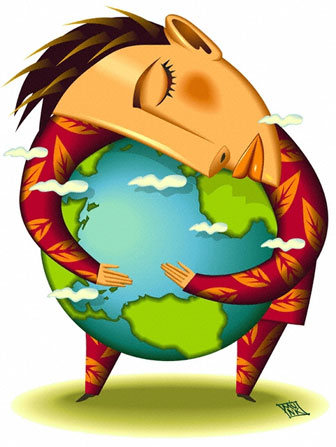
Illustration by Siegmar Munk/VEER. Photo:library.noetic.org
We just got back home from our daily swim and walk at the beautiful campus of Warwick University, in the green-belt area, just at the outskirts of coventry, close to our house, where we live.
Whilst walking, my wife and I started a beautiful and rewarding conversation, inspired by our recent participation at a most fruitful and inspiring conference at Todi, Umbria, Italy.
The recurring questions at Todi were, again and again: Who are we? Where have we come from ? Where are we going to? What is the purpose of this journey we call life? What it means to be human?
Whilst walking under the beautiful blue sky, thinking and reflecting on these pertinent questions, looking at all the beauty around us, listening to the birds morning chorus, somehow, we both began to say, why is it that with so much gifts given to us to lead a good, harmonious, worthwhile life, building a world of peace, justice, fairness and kindness, we have done the opposite. Building a world of spiraling ecological, socio-political, technological, economic, health and wellbeing crises?
The answer, very simply, was that, to our mind it seems, we have lost the art of seeing/hearing beauty, which are there in abundance all around us, and thus, unable to heal ourselves and our world.
We got back home. I had an email from a stranger via the contact form of the gcgi.info, thanking me for an article I had posted a while back on nature as our teacher, reminding him that the path to happiness, a better life lies in cultivating a consciousness of compassion and generosity and recognising that our own well-being depends on the well-being of everyone else on the planet, the whole web of life.
WOW! That email got me going! It took me back to our walk this morning, our Todi-Week before that, all those questions I noted above and more.
Yes, I said. The answers are all there, if we care to see them: Nature, our sacred earth, families, friends, music, arts, philosophy, wondering, pondering, like a child asking questions, enjoying the present moment with a beautiful smile, giving thanks, being grateful, forgiving and reconciling, good education, caring economy, trusting, enjoying life’s simple pleasures, imagining a better world with hope for better days, yet to come.
Friends, do you hear the voice which calls us together here today? That voice which calls us to remember that we are not alone and that we are inextricably linked to all other life—woven into a vast tapestry of existence of which we are a powerful, integral, and holy part.
And just as we have been called together here today, we act as the voice—the heart—the hands of another call:
Walk with the wanderers
Sing and dance with the worshipers
Proclaim the memory of those who have taken their leave
Wrap the despairing and the broken in the arms of love and community
And hold the hands of all of us who have broken our vows and call us back—again and again—to the covenant and work of justice, humility, and steadfast faithfulness.
For this we are here together today. So, my friends, come, yet again; come let us be together.
The links noted below are amongst my Blog postings which are there to provide ideas for inspirational stories for everyone, encouraging contemplation, soul searching and spiritual enrichment.
The Tree Of Wisdom. Old whimsical tree in the Wicklow forest, Ireland.
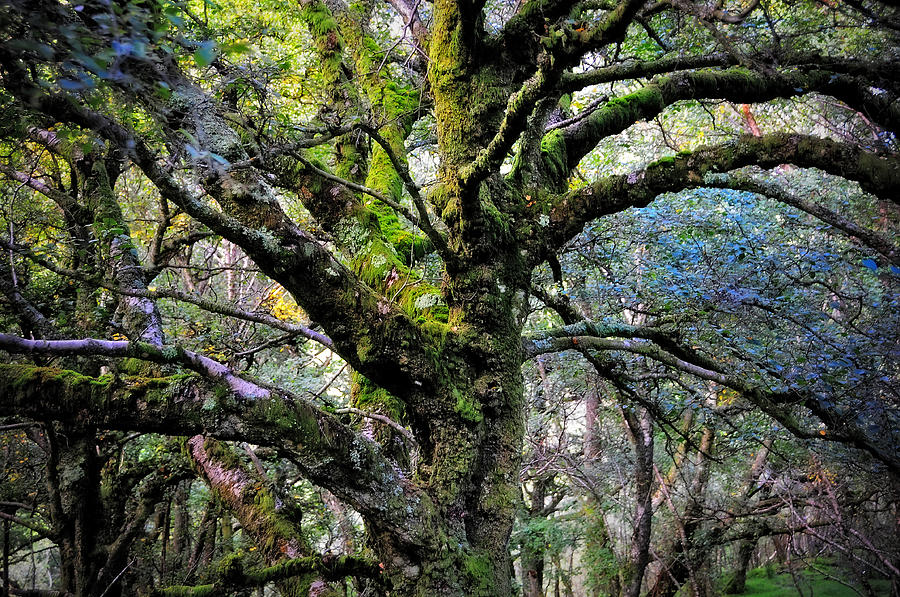
Photograph by Jenny Rainbow
Whenever you get a chance, please take a few minutes to watch, listen and read some of the amazing narratives below: They are some examples of the many gems I have discovered in my life journey from the wisdom of others. They have opened new horizons in my life. For that I cannot be grateful enough.
Here, by sharing their wisdom with you, I hope they will do the same for you too:
In search of beauty, wisdom and love? Then, come, come, whoever you are come
Are you physically and emotionally drained? I know of a good and cost-free solution!
Izaak Walton: Our Stepping Stones to Pastoral Paradise, Serenity and Beauty
Playing for Change: How music can change the world!
The future that awaits the human venture: A Story from a Wise and Loving Teacher
Sustainable Development Goals: Where is the Common Good?
In this troubled world let the beauty of nature and simple life be our greatest teachers
- Details
- Written by: Kamran Mofid
- Hits: 2873
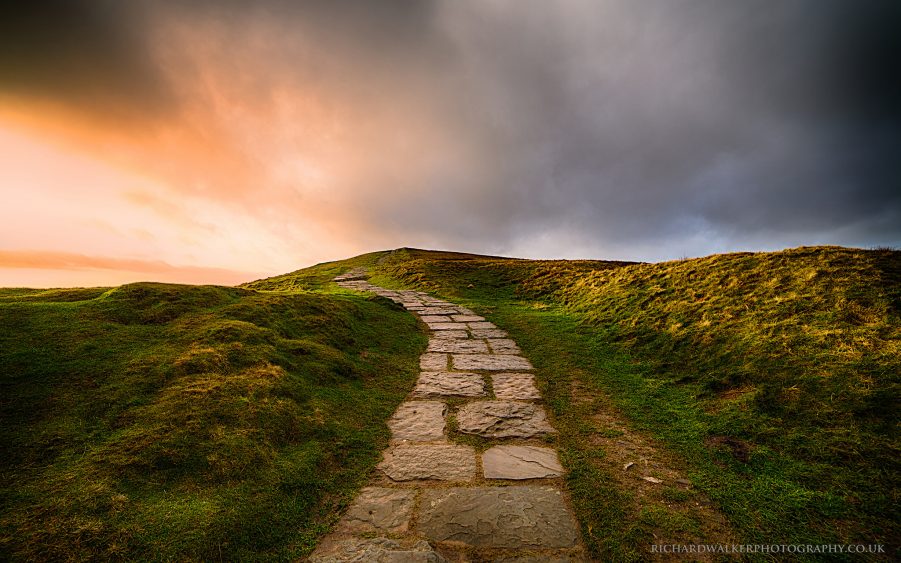
Stairway to Heaven? The path leading to Mam Tor in the Peak District. Photo Richard Walker
The other evening (8 June 2019) I was very lucky. Just before 10.00pm, I began flicking through our T.V. channels. I hit the jackpot and I stopped at BBC4. Wow! What I discovered! I could not stop watching. I loved every bit of it. And this is why I am now posting this Blog. Hope you love it too.
In Search of Arcadia, 8 June 2019 BBC4 (First broadcast Wed 9 Aug 2017 BBC4)
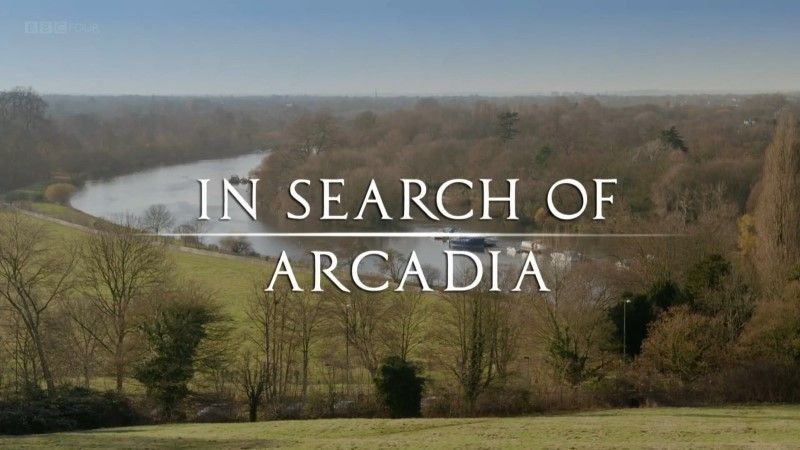
Dr Janina Ramirez goes 'In Search of Arcadia' discovering the origins of the English landscape movement in a 12-mile stretch of the Thames between Hampton and Chiswick with waterman and historian John Bailey. In the early 18th century this stretch of the river was home to a group of writers, poets, artists and garden designers who were inspired by classical landscapes of antiquity and the ancient idea of Arcadia.
Janina discovers the people and the ideas at the heart of this transformative movement and the landscape of the Thames - Nicholas Poussin's painting Et in Arcadia Ego, the French formal gardens at Hampton Court, Pope's Grotto, Marble Hill House, Chiswick House, Syon Meadows and finally the view from Richmond Hill. John unpacks the role the River Thames played in their story as he explores the natural riches of its shores. He has time for fishing and contemplation along the way with his guide - Izaak Walton's Compleat Angler...Continue to read
Watch the Video: In Search of Arcadia, 8 June 2019 BBC4 (First broadcast Wed 9 Aug 2017 BBC4)
Who was Izaak Walton (c. 1593- 15 December 1683)?
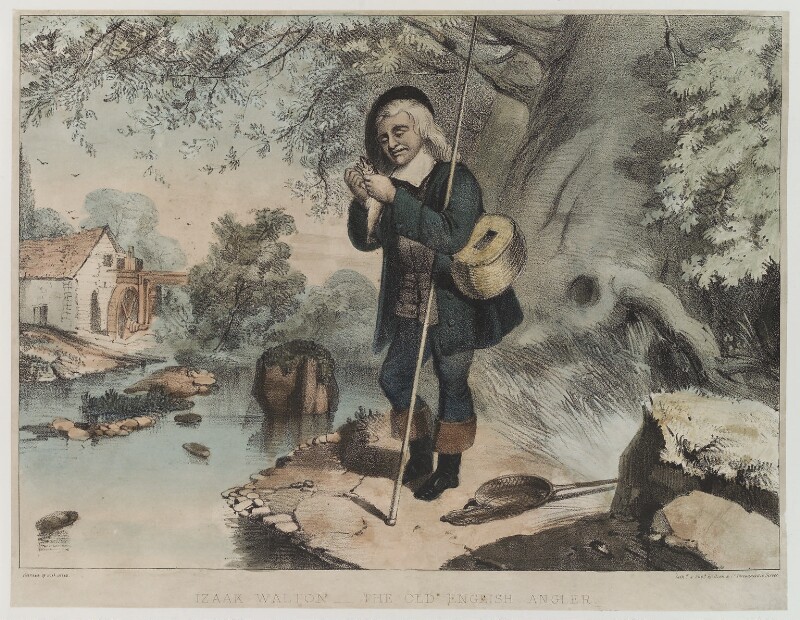
'Izaak Walton - the old English angler', by and published by Dean & Co
hand-coloured lithograph, published circa 1849-1855. National Portrait Gallery, London
This is how he is remembered on his epitaph at Prior Silkstede’s Chapel in Winchester Cathedral
Here resteth the Body of
Mr. ISAAC WALTON
Who dyed the 15th day of December 1683
Alas he's gone before
Gone to return no more!
Our panting Breasts aspire
After their aged Sire,
Whose well spent life did last,
Full ninety years and past
But now he hath begun
That which will ne're be done
Crown'd with eternall blysse:
We wish our souls with his.
Votis modestis sic flerunt liberi ( ‘This modest prayer his weeping children lament’)
Study to Be Quiet, this was Izaak Walton’s favourite Bible text, captured perfectly in the window at Winchester Cathedral
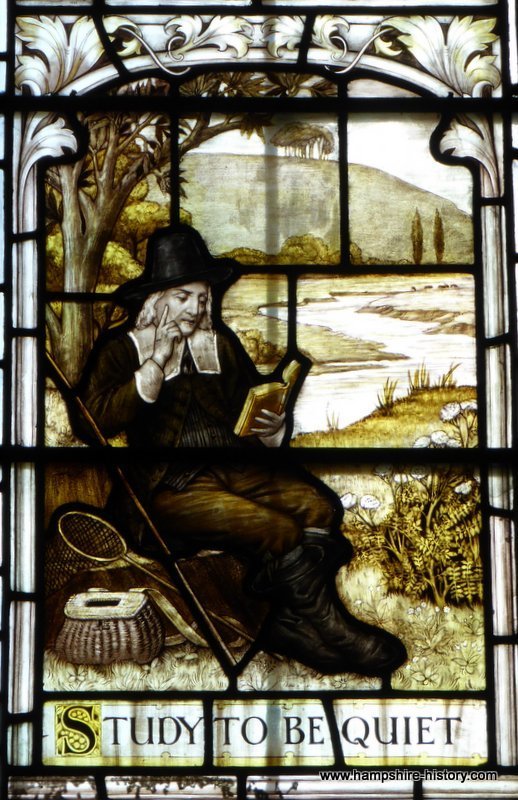
Izaak Walton sitting by the River Itchen with St Catherine’s Hill behind.
Izaak, Isaak or Issac? There is often a difference of opinion regarding the spelling of the name Izaak Walton. There are three widely used spellings of his name all often seen in print before the turn of the 19th Century: ‘Isaac Walton’, ‘Izaac Walton’ and ‘Isaak Walton’. Subsequently ‘Izaak Walton’ became the more popular spelling in the late 20th Century. The original ‘old English’ spelling is deemed to be Isaac Walton and is indicated by his epitaph which was noted above.
It was in 1653 that Izaak wrote the book that was destined to become one of the most loved and reprinted books in the English language. The Compleat Angler is of course a book on fishing but it is also a window in to seventeenth-century country life.
Two years later Walton purchased Halfhead Farm in Shallowford, five miles from Stafford. This property remained in his possession for the rest of his life and today its half-timbered cottage serves as a museum commemorating its famous owner.
The restoration of the monarchy in 1660 brought new role for Izaak. Bishop George Morley appointed him as his steward initially at Worcester and later at Winchester. It was at Winchester that Walton died in 1683 at the great age of 90...Read more about Izaak Walton
Izaak Walton’s The Compleat Angler: An Introduction to Liberal Arts
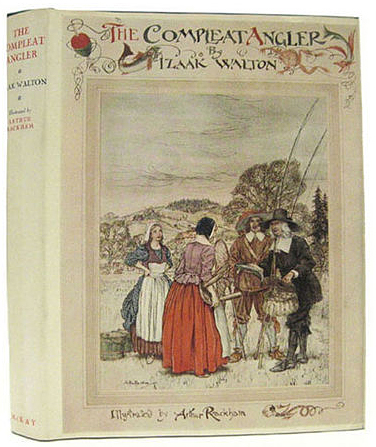
“Without the healthy balance of work and play, melancholy oppresses the human spirit, the capacity for joy diminishes, and a person loses a child’s sense of wonder and adventure. Angling educates a person to enjoy all of life: the beauty of the meadows and streams, the pure delight of a favorite sport, the mirth and conviviality of friendship, the pleasure of contemplation in beholding the handiwork of God’s Providence, and the lightheartedness of laughter and humor that proclaim “Taste and see the sweetness of the Lord.”
Read more about Izaak Walton’s The Compleat Angler
In Search of Arcadia (BBC 4): A Review by Camilla Allen, University of Sheffield
‘In Search of Arcadia, presented by the historian Dr Janina Ramirez, was commissioned by the BBC as part of its ‘Utopia’ season; programmes exploring the enduring appeal of a concept which evokes for many a more perfect and idealized reality than the one they inhabit. The documentaries explored different aspects of utopian thought and its manifestation in culture, art and architecture, with the work of Frank Lloyd Wright and the city planning of Milton Keynes being just two twentieth-century manifestations. Yet it was the Thames which took centre stage in Ramirez’s film, often outshining its co-stars. The twelve-mile section of the river from Chiswick to Hampton Court, and its surviving eighteenth-century palaces, gardens and landscapes, were explored in relation to the Enlightenment fascination with Arcadia, and the mark which that fascination had on the landscape and enduring culture.
Co-presented by waterman and historian John Bailey, In Search of Arcadia sought out the chronology which took English garden culture from the imported formal Baroque gardens of places like Hampton Court, to the picturesque style of the English Landscape school of Lancelot ‘Capability’ Brown. A whole host of characters were introduced to viewers, including Lord Burlington, William Kent and Henrietta Howard, and beginning with the Anglican writer Izaak Walton, author of the ever-popular fishing manual The Compleat Angler. Walton’s work, alongside Nicholas Poussin’s painting Et in Arcadia Ego, is emblematic of the ushering in of a period when the most forward thinking and fashionable minds of the day sought to manifest around them a pastoral idyll, harking back to classical antiquity.
Walton’s powerful assertion of a much-needed balance between man and nature might well have come into being as a response to the collective trauma that England had suffered during the Civil War and the religious tensions which defined society up to, and into, the Restoration; The Compleat Angler demonstrates Walton’s faith, expressed through a love of nature, and as an antidote to a competitive and greedy urbanizing world. Complementing that vision, Poussin’s painting of four shepherds gathered around a tomb and framed by an idealized bucolic landscape, presents as a visual manifestation of Arcadia; a classical utopia where people were in harmony with nature. Yet Walton’s ideals and the yearning for some mystical past were not at that point reflected in the gardens of the day.
Sir Christopher Wren’s intentions for the gardens of Hampton Court Palace couldn’t be more at odds with the pastoral Arcadian idyll: composed from a palette of clipped box, yew and grass; unchanged by the seasons, and trumpeting regal authority and power. But majestic gardens were not immune from satire, and an emerging generation of writers, thinkers and designers saw in these green columns, cones and patterns, an artifice and fussiness at odds with the enduring beauty of the ancient world. A philosophy which – when applied to gardens – became a synthesis of art, literature and form, allowing nature to breathe anew. At the forefront of this movement was the poet and social dynamo Alexander Pope, a man who used his writing as a medium of creation for an idealized vision of the Thames; a vision bought into reality in the form of gardens and landscapes, straddling the banks of the river, many of which endure today in the west of London.
The hour-long film delights in the beauty and charisma of the persons, portraits and landscapes which are its subject. Filmed in the winter, the bare branches of the trees hang languidly over the Thames as the two presenters use the river as a means of travelling between the houses, inns and palaces inhabited by Pope, Burlington, Howard and others. Modern-day efforts to restore and preserve these historic landscapes were also featured. The work of volunteers clearing the remaining radial avenues which linked properties like Ham House with Pope’s home in Twickenham demonstrated the presence that these landscape forms still hold in the area: using traditional methods for their ecologically sympathetic results, these long routes will, in the future, demonstrate some of the significant views and vistas which were so important in these early English Landscape gardens. And the grand presence of Sir David Attenborough was called upon to champion the august aims of the Thames Landscape Strategy, a group who promote this area of London as the ‘Arcadian Thames’.
For anyone familiar with the concepts and figures featured in In Search of Arcadia, one of the true gifts of it as a study is the footage which sweeps through the remaining gardens and landscapes: Lord Burlington’s formal statutory blending into the naturalistic sweep of his lawn and tree planting and Lancelot Brown’s classic design of Syon House. But the ultimate realization of the utopian ideal of a world in harmony in landscape is most manifest in Syon House, captured in beautiful aerial shots which showcase its stretch of the only remaining natural river bank in Greater London, a waterline still able to respond to the Thames’ ebb and flow. And that peace and harmony results in beautiful flooded meadows, reflecting the trees and rough vegetation along the water’s edge in a temporal mirror to the sky. Nature not subordinate, but present and powerful – and beautifully captured in the film.’
Discover more about nature
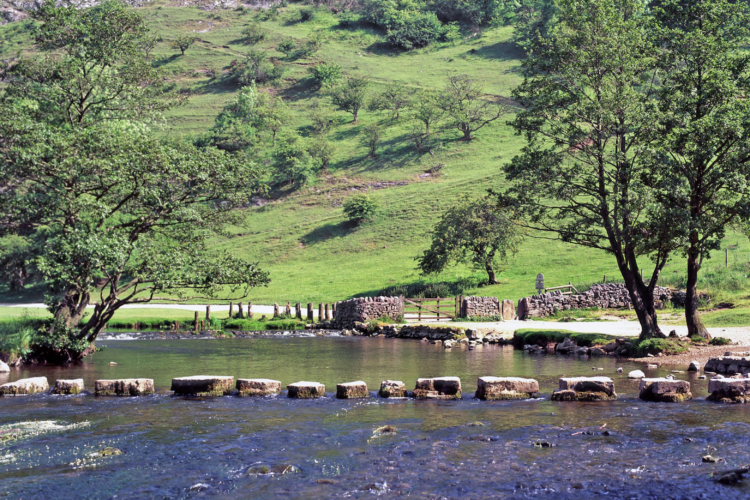
Dovedale Walk - Stepping Stones, below "Dovedale Castle", Peak District National Park. flickr.com
“Be like the sun for grace and mercy.
Be like the night to cover others’ faults.
Be like running water for generosity.
Be like death for rage and anger.
Be like the Earth for modesty.
Appear as you are.
Be as you appear.”-Rumi
Desperately seeking Sophia: The Wisdom of Nature
Nature heals, Nature soothes, Nature restores, Nature connects: Yes, Nature is what makes us Human!
'Come forth into the light of things, Let Nature be your teacher'
Nature and Simple Living is a Blissful Life
How nature helps us feel good and do good
In search of beauty, wisdom and love? Then, come, come, whoever you are come
......
PS: Remembering our our own Dovedale Walks - Stepping Stones,
staying at the loveliest Izaak Walton Hotel
My wife and I have wonderful memories of our travels to this most beautiful location in Derbyshire, staying at this lovely hotel in the heart of Dovedale.
We took many walks, celebrating, admiring and thoroughly enjoying the gifts of Mother Nature.
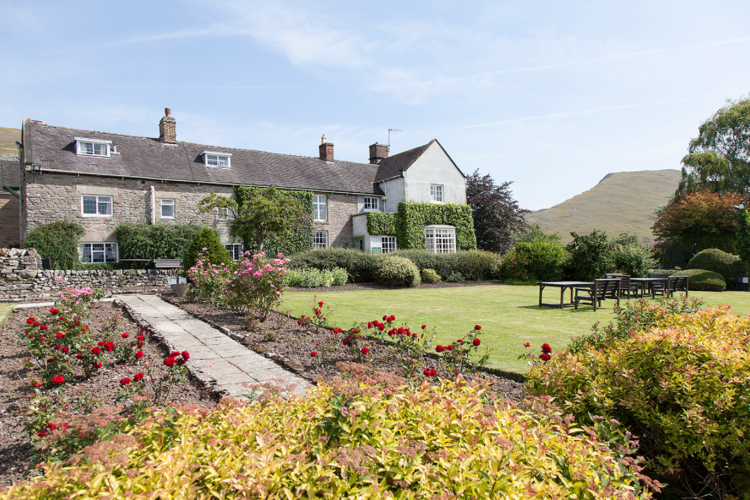
Photo: Izaak Walton Hotel
- Todi-Week 2019- A Reflection: Where we came to imagine and co-create a better world together
- The Age Of Perpetual Crisis: What are we to do in a world seemingly spinning out of our control?
- Britain today and the Bankruptcy of Ideas, Vision and Values-less Education
- It’s All in The Mind: Focus on Mental Health
- The rise in global fascism: A failure of education?