- Details
- Written by: Kamran Mofid
- Hits: 2692
A Message from Kamran Mofid to mark International Youth Day
‘On 17 December 1999, in its resolution 54/120, the United Nations General Assembly endorsed the recommendation made by the World Conference of Ministers Responsible for Youth (Lisbon, 8-12 August 1998) that 12 August be declared International Youth Day.’
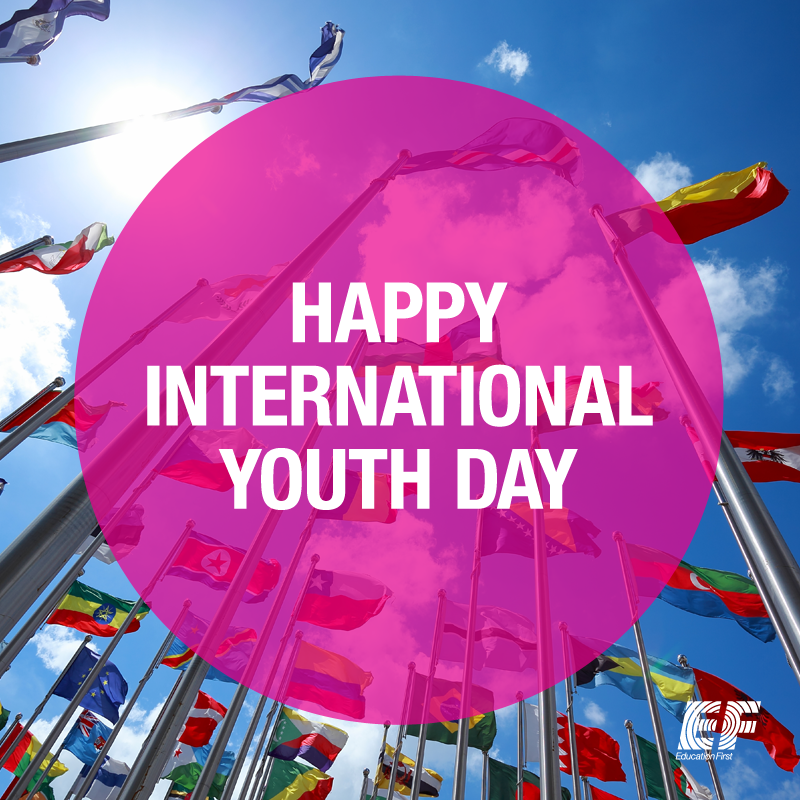
Photo: larazonsanluis.com
What is the unfolding story of the next decades?
The rise of today’s youth, leading the world, with hope, inspiration, commitment, imagination and wisdom in the interest of the common good, to change our troubled world for the better
The commitment and the passion of young people is a force for change that cannot be matched or bettered. Today, the youth of the world have risen against injustice, inhumanity, greed, wars and conflicts, environmental degradation and abuse, values-less education, and more. By their actions, they are empowering and enabling us all to imagine and construct a better world in the interest of the common good.
- Details
- Written by: Kamran Mofid
- Hits: 2441
Dr. Larch Maxey, A Warrior, Campaigner and Activist for the Common Good
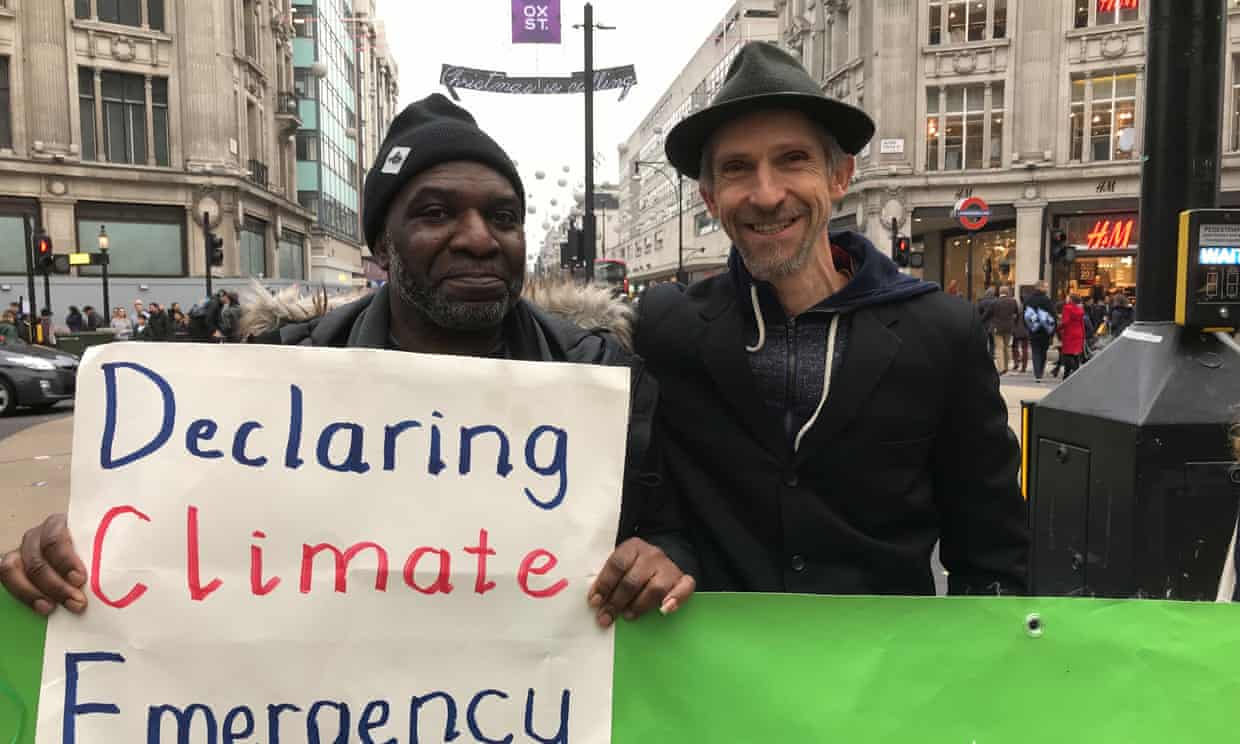
Larch Maxey, right, campaigning with Caul Grant for Extinction Rebellion. Photograph: Larch Maxey. PHOTO via theguardian.com
Dozens arrested after climate protest blocks five London bridges
Over 1000 Extinction Rebellion Activists Were Arrested In April – This Is What Happened To Them
Can You Hear us and Mother Earth Crying?
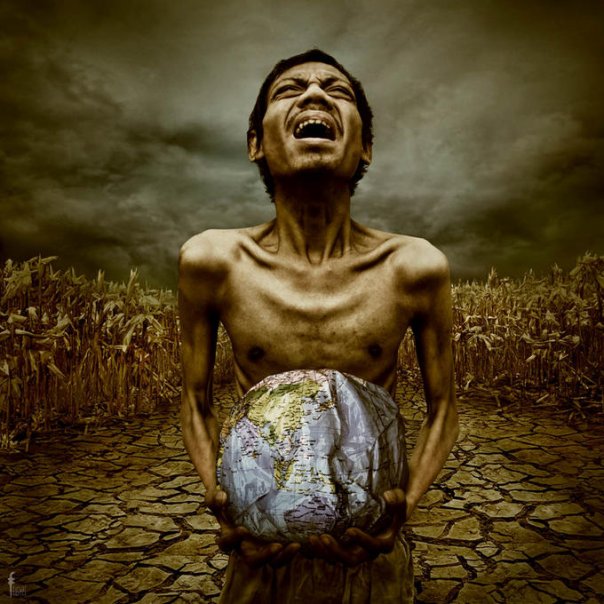
Photo: A painting by Berrin Duma. Photo: turkishpaintings.com
Our Sacred Earth and Mother Nature in Need of More People like Larch Maxey
‘Larch Maxey was arrested for obstruction on Southwark bridge, London, and spent nine hours in a police cell for protesting with Extinction Rebellion (XR) against Government action on climate change. Here, in a dialogue with Suzanne Bearne, he tells the telling story of his volunteerism with XR’++
But first lest we forget ‘that only 1.5 percent of accused rapists are now being prosecuted in the UK. Yet one hundred percent of the people who are trying to preserve life for our grandchildren, for our brothers and sisters in other countries who are already struggling with drought and deluge — one hundred percent of us are being prosecuted.’*
‘I’ve waited 25 years for a movement like Extinction Rebellion’
Larch Maxey is working six days a week developing and implementing strategies – while living off his savings.
Name: Larch Maxey Age: 46 Income: £0 Occupation: Full-time volunteer with Extinction Rebellion
I’m on a year’s sabbatical, and volunteering full-time with Extinction Rebellion. I’ve always been interested in the environment and social justice – I have a PhD in sustainability and was a geography lecturer and post-doctoral researcher for 17 years – and I’ve been a climate-change activist for 25 years. During 1994-5 I lived up a tree for a year as part of the No M65 campaign in Lancashire, which I co-founded. For me that was all about the climate and ecological emergency; I’ve waited 25 years for a movement like Extinction Rebellion (XR) that uses the science of social change so effectively.
I met XR at Offgrid Festival last August, and was won over by their focus on system change. The next week I brought XR to the Sunrise festival. Suddenly I was helping out on evenings and weekends, fitting in volunteering around my two jobs as co-founder of a wellbeing charity and co-director of Bright Green Futures, a social enterprise creating eco self-build communities.
I took two weeks’ annual leave to volunteer full time with XR in November, but the turning point came when I was unexpectedly arrested for obstruction of the highway on Southwark bridge on 17 November and spent nine hours in a police cell.
It gave me the chance to really reflect on my life and priorities. I saw what’s important to me and felt deep regret at not having spent the last 25 years addressing climate chaos full time. I know I was doing the best I could, and I had two kids to prioritise. Now they’re adults and this incredibly effective vehicle that is XR has come along, it became clear to me that I needed to go on sabbatical. I knew now was the time to make a difference before the threat to our existence deepens and leads to societal collapse. We only have this year to start bringing emissions down. But it really is possible if enough people join us.
I work about 14 hours, six days a week with Extinction Rebellion. My role involves helping develop and implement our strategy and ideas for actions, and linking up with international groups. This is my life’s purpose, and I couldn’t be happier and more fulfilled. I’m happy to spend every waking moment bringing this change about.
I’m currently living off my savings. I have just applied for living expenses through XR and requested £600 a month. No one gets a salary with XR. We don’t ask for the amount we’d like, but how much we need. I have savings as I’ve always saved since I was a child, even if there was nothing particular to save for. A dilemma for me has been digging into savings I’d hoped to give my children, aged 20 and 18, money towards a deposit for a home. But if we don’t turn this emergency around, there won’t be a future.
I live for free with my best friend Toby in Brixton. As well as joining XR for our big rebellions and actions, he supports XR by giving me a free room.
I’m a relaxed freegan. I keep my eyes open and look for food at every opportunity that would otherwise go to waste. Sometimes that means eating leftover food from whoever I’m hanging out with, or collecting food from a local cafe or market stall before they throw it out.
I have a flat in Totnes, where I rent a couple of rooms. My mortgage is £850 a month and is mostly covered by two lodgers. Travel sets me back about £250 a month, with most of it spent on trains to and from Totnes. Travelling by tube is expensive so I cycle around London, which I love as I get exercise and explore the city.
I do have a car that I was planning to let go of, but actually XR are going to use it for a tour of Europe, so I just spent £25 to insure someone for it.
I tend to find clothing. For example if there’s a sock on the pavement, I’ll pick it up and give it a rinse at home. I’ve just sewn up a pair of trousers. I like to repair stuff.
While lifestyle and voting can help, they’re no longer enough. We’re in an emergency and we need system change urgently. Far more important than how we vote or live is that we work together for system change and that requires mass peaceful civil disobedience. Join us.
I plan to continue working as a full-time XR volunteer until the government adopts our three demands. We need citizens’ assemblies, ordinary people deciding the policies to solve the crisis. If we don’t sort it out, our children won’t have a future.
++Larch Maxey telling his story to Suzanne Bearne was published in the Guardian on Sat 10 Aug 2019
*Anthea Lawson, We Owe it to Our Humanity to hear you, to emulate you
Extinction Rebellion: Climate protesters 'making a difference'
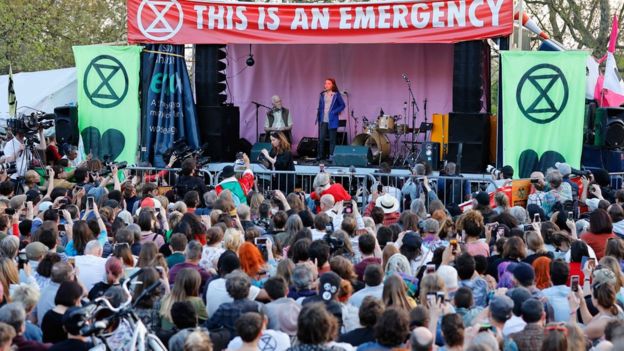
Greta Thunberg‘"humanity is standing at a crossroads" addressing a rally in London
"For way too long the politicians and people in power have got away with not doing anything at all to fight the climate crisis and ecological crisis. "But we will make sure they will not get away with it any longer." Photo: BBC
Thank you Extinction Rebellion for being a source of inspiration, a beacon of hope to all those who value life, nature and our sacred Mother Earth. We, too, at the GCGI, share your values and zest for life, beauty and wisdom.
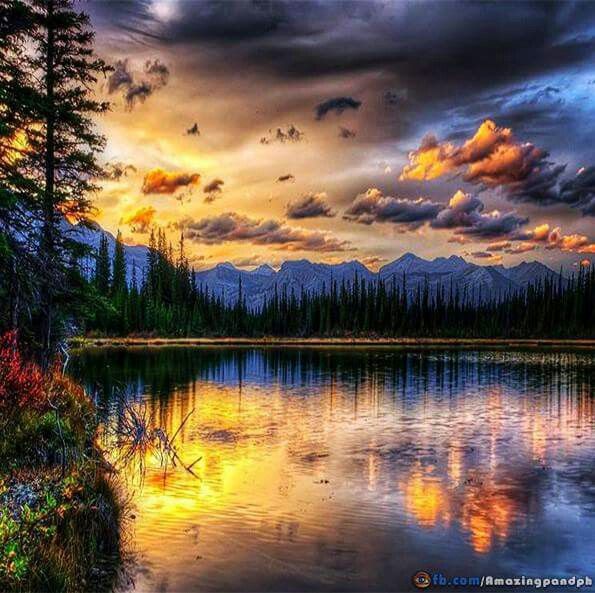
At the GCGI we believe every child, young person, students, their teachers, and indeed, everybody, should have regular opportunities and ease of access to connect with nature, so they can learn to value it, appreciate it, enjoy it, prioritise it and take action to save it.
“Be like the sun for grace and mercy.
Be like the night to cover others’ faults.
Be like running water for generosity.
Be like death for rage and anger.
Be like the Earth for modesty.
Appear as you are.
Be as you appear.”-Rumi
Desperately seeking Sophia: The Wisdom of Nature
Nature heals, Nature soothes, Nature restores, Nature connects: Yes, Nature is what makes us Human!
Are you physically and emotionally drained? I know of a good and cost-free solution!
The Message to the World: Time is running out for a world at risk of war with itself, destroying the only collective home we have, Our Sacred Earth
The Time is Now to Take Action.
‘Time is running out for a world at risk…threats that were considered inconceivable, no longer are.’
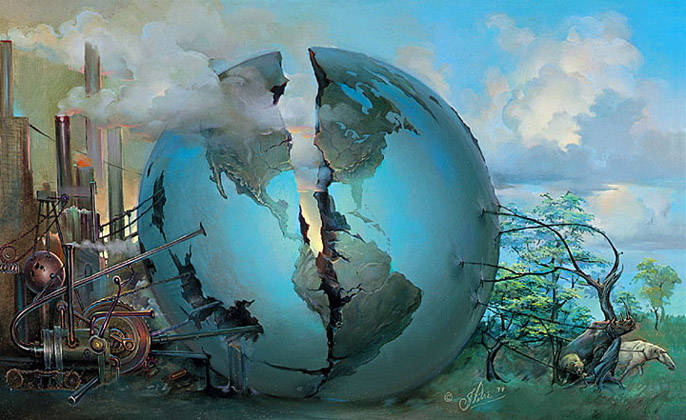
Photo:littlesun.canalblog.com
The climate crisis is damaging the ability of the land to sustain humanity, with cascading risks becoming increasingly severe as global temperatures rise, according to a landmark UN report compiled by some of the world’s top scientists.
Global heating is increasing droughts, soil erosion and wildfires while diminishing crop yields in the tropics and thawing permafrost near the poles, says the report by the Intergovernmental Panel on Climate Change…’Climate crisis reducing land’s ability to sustain humanity, says IPCC
A Call to Action from Our Children and Grandchildren.
We Must Not Let Them Down!
On September 20, three days before the UN Climate Summit in NYC, young people and adults will strike all across the US and the world to demand transformative action be taken to address the climate crisis. To learn more, sign up to host a strike, or receive updates see below:
‘We, as a global society, are at a crossroads. We have a decision to make. Are we going to choose money or power or are we going to choose the future? The September 20 strike is an invitation to everyone to choose us. Choose the kids, choose humanity, choose the future.’...WE, THE FUTURE GENERATION, ASK YOU TO CHOOSE US
- Details
- Written by: Kamran Mofid
- Hits: 3644
Slow Food for the Common Good to save the World
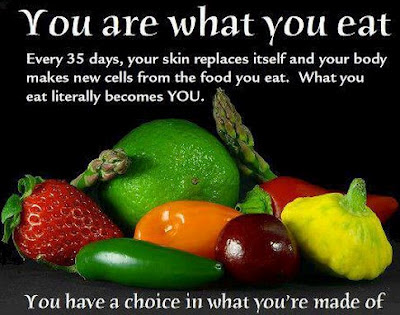
Photo:knowledgeoftoday.org
The way we eat, the food we eat, is a guidance on how seriously we are taking care of ourselves and the Mother Nature
The pertinent question is: How are we going to teach slow-food values in a world consumed with fast food culture?
"What we eat is one of the most powerful drivers behind most of the world's major environmental issues, whether it's climate change or biodiversity loss."-Joseph Poore, University of Oxford
“Let Thy Food Be Thy Medicine, And Thy Medicine Be Thy Food.” -Hippocrates, The Father of Medicine
What is Slow Food for the Common Good?
Good, Clean and Fair Food
Food that is Good for People, Good for the Planet
Sustainability, Responsibility, Eco-Friendliness, and…
Slow Food for the Common Good envisions a world in which all people can access and enjoy food that is good for them, good for those who grow it and good for the planet.
‘Slow Food was started by Carlo Petrini and a group of activists in the 1980s with the initial aim to defend regional traditions, good food, gastronomic pleasure and a slow pace of life. In over two decades of history, the movement has evolved to embrace a comprehensive approach to food that recognizes the strong connections between plate, planet, people, politics and culture. Today Slow Food represents a global movement involving thousands of projects and millions of people in over 160 countries.’-Slow Food: The History of an Idea
“Go Slow in Your Life. Go Slow in Your Community”
How can you be a responsible consumer? A good consumer is always aware of where their food comes from and what their food contains.
The Slow Food movement encourages “responsible consumers [to] favour seasonal, local food, cook meals and avoid processed and industrial products. Industrial products such as instant and fast foods should be avoided because they generally involve high carbon footprints, long unsustainable food chains, an unethical financial exploitation of farmers and the destruction of local economies and markets, high levels in waste production and the addition of artificial and unhealthy flavour enhancers.”
The Slow Food movement provides concrete steps: “One can become a responsible consumer by buying the primary ingredients instead of an instant meal, buying food from farmers markets, getting involved in gardening and urban gardening or community-supported agriculture projects or favouring sustainable packaging and growing methods as well as local varieties and a diverse diet.”
Following the Slow Food principles, another important manifesto, the Eataly’s Manifesto, says: “We are in love with food.”...Continue to read this beautiful story.
Goodness gracious me, What is going on? What is this ‘Modern World’ doing to us all?
Happiness is to Do Nothing: 'When Doing Nothing Is Doing Everything’
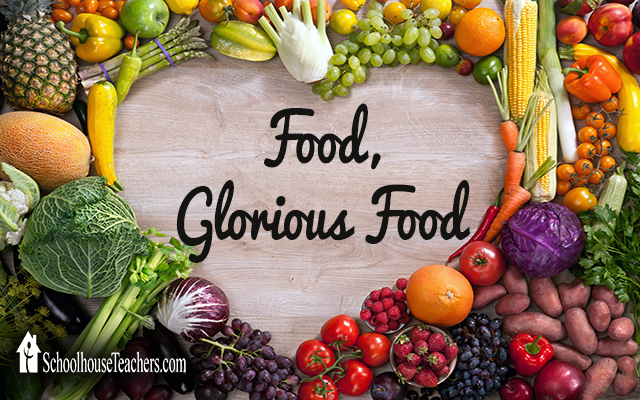
And All We Eat is Junk Food!

Photo:bing.com
First, food for thought, Exciting Your taste buds!
Why food is a really big deal!
‘It’s easy to forget the power of what is on our dinner plate.
Between the Instagram post, or the quick fix meal, the snack at our desk or the breakfast on the run – it’s not a surprise we might overlook the incredible potential in our food. What and how we eat, and the systems that produce it.
Our food is more than simply a source of calories – or even a labour of love. As our global community faces some serious and time-bound health challenges, what’s being served is a world of opportunities. Let me share with you just six reasons why...
Food is our most powerful narrative.
‘When we look across our major global challenges — and we have some very serious ones — it can seem overwhelmingly complex to the point we lose our appetites for action. Climate change is happening around us. Water shortages affect 330 million people in India. Two billion of us wake up every day overweight and yet half a billion continue to go hungry. The Great Barrier Reef is under severe stress. Some estimate we have more plastic in our world’s oceans than fish. War and conflict seem a daily presence in our media.
The world is a buzz of depressing, seemingly hopeless, diverging challenges. But I challenge you. Look beyond the buzz. Don’t be distracted from the micro, look at the bigger picture. What becomes clear?
All of these challenges relate back to something simple. Something many of us enjoy every day. Something we all seek, obsess over, photograph and devour. Food.
Over-consumed, often wasted, poorly managed and needlessly unhealthy. We cannot solve the world’s problems, without first solving food. Or another view: food is our best opportunity for getting our planet back on track.
Bon appétit.’-Dr Sandro Demai
Seeds, kale and red meat once a month – how to eat the diet that will save the world
Dale Berning Sawa, Via The Guardian
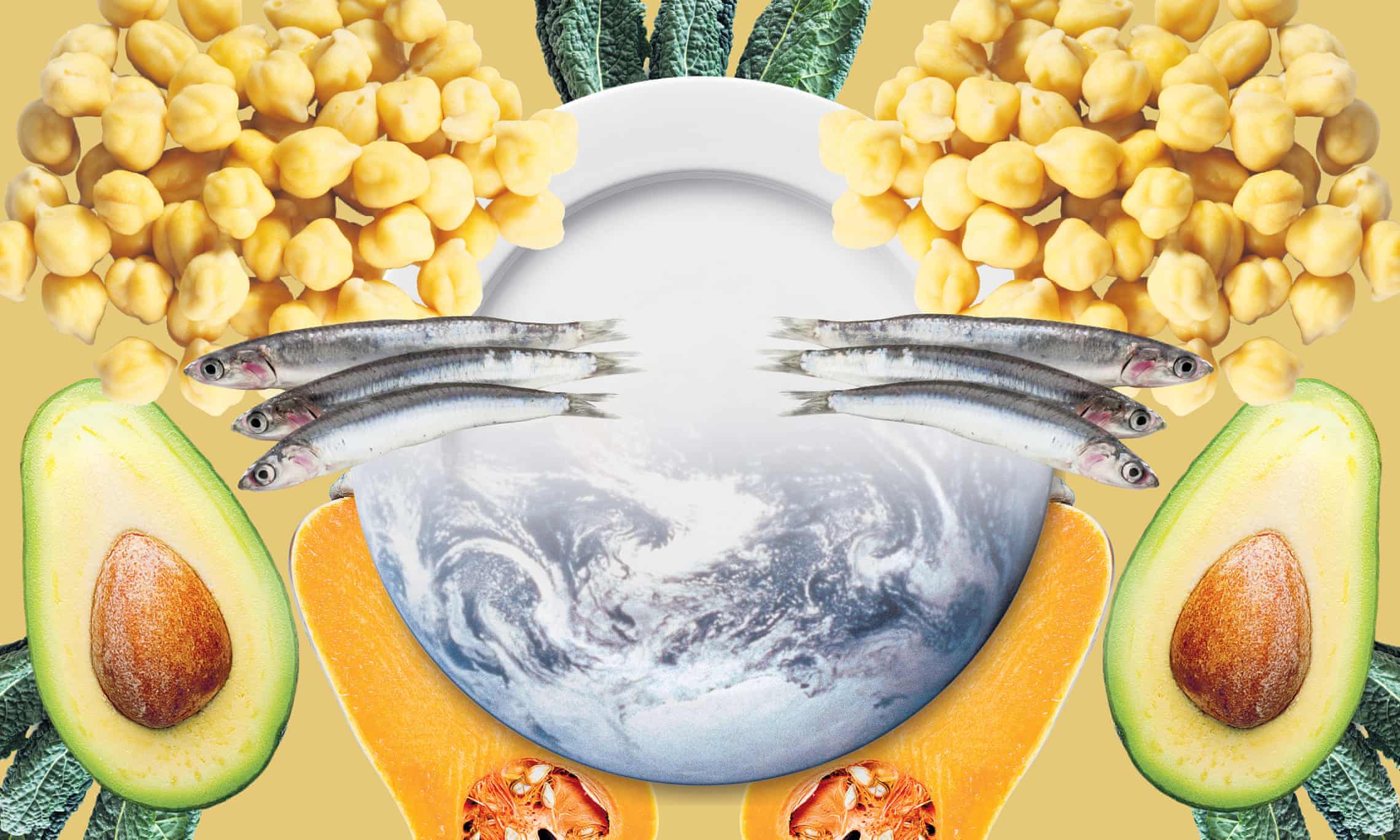
'A complete overhaul of what we eat may be the only way to meet the needs of a planet in crisis. So what’s on – and off – the menu?'
Photo:theguardian.com
‘The world faces many challenges over the coming decades, but one of the most significant will be how to feed its expanding global population. By 2050, there will be about 10 billion of us, and how to feed us all, healthily and from sustainable food sources, is something that is already being looked at. The Norway-based thinktank Eat and the British journal the Lancet have teamed up to commission an in-depth, worldwide study, which launches at 35 different locations around the world today, into what it would take to solve this problem – and the ambition is huge.
The commissioners lay out important caveats. Their solution is contingent on global efforts to stabilise population growth, the achievement of the goals laid out in the Paris Agreement on climate change and stemming worldwide changes in land use, among other things. But they are clear that it depends on far more than just these basic requirements. The initial report presents a flexible daily diet for all food groups based on the best health science, which also limits the impact of food production on the planet.
To anyone who has spent any time trying to figure out how to eat healthily, economically, ethically and compassionately, this might sound too good to be true. Indeed, the debate around how one should eat is so fraught as to now be dubbed the nutrition wars. Should one eat omnivorously, organic and local, or go vegan? Is dairy milk production worse than California almond milk in terms of fresh water usage and carbon miles – and what about in terms of calcium? Which is better, farmed fish, wild fish or no fish? There are times when chickpeas feel like the only safe way to go.
The Eat-Lancet report posits that the global food system is broken. From the numbers quoted alone, it is hard to disagree: more than 2 billion people are micronutrient deficient, and almost 1 billion go hungry, while 2.1 billion adults are overweight or obese. Unhealthy diets are, it says, “the largest global burden of disease”, and pose a greater risk to morbidity and mortality than “unsafe sex, alcohol, drug, and tobacco use combined”. The planet isn’t faring any better. Introducing the commission under the title Acting in the Anthropocene, the Lancet firmly places that global food system within the framework of human impact on both climate and the environment that has caused geologists to rethink how they work: we are not (yet) extinct, but we have an era named after us. And what we are eating has a lot to do with that. Food production, the report states, “is the largest source of environmental degradation”.
So how does the commission propose to fix this?
It has identified a daily win-win diet – good for health, good for the environment – that is loosely based on the much-lauded Mediterranean diet, but with fewer eggs, less meat and fish, and next to no sugar. Dairy is, for western populations anyway, going to be a sticking point, because the suggested diet does not include much. Crucially, it does include a range of foodstuff types that are adaptable, in theory, to the cuisines (potato or cassava; palm-oil-based, say, or soy-rich) and primary dietary restrictions (omnivore, no pork, pescatarian, vegetarian, vegan) found across the world. It can most likely be made to work for other free-froms, although the list of what to eat clearly needs to be road-tested by everyone to be proved to be workable – or not. The diet also omits many things people cook with, from alcohol and seaweed to dried fruit and coconut milk (botanists call the coconut a drupe, and nutritionists, variously, a nut, a fruit and a seed, so go figure which category its milk fits into).
Plant-based diet can fight climate change - UN
The following, therefore, is a rough estimate of what someone in Britain might eat over a seven-day period. A full month’s diet plan would be a better illustration, given that the daily ration of red meat stands at 7g (with an allowable range of 0-14g); unless you are creative enough to make a small steak feed two football sides and their subs, you will only be eating one once a month. Similarly, you are allocated little more than two chicken breast fillets and three eggs every fortnight and two tins of tuna or 1.5 salmon fillets a week. Per day, you get 250g of full-fat milk products (milk, butter, yoghurt, cheese): the average splash of milk in not very milky tea is 30g.
The diet functions on the basis of 2,500 kcal daily, which corresponds, the report says, to the average energy needs of a 70kg (11st) man and a 60kg (9½st) woman, both aged 30, with moderate to high levels of physical activity. To date, however, governmental guidelines, such as those published this week by the British Nutrition Foundation, specify 2,000 kcal for women.
WE CAN FEED THE WORLD AND SAVE THE PLANET WITH THIS ONE FOOD
Of course, and to reinforce how sobering is the global perspective the study brings to the question “what’s for dinner?”, this diet isn’t even that taxing. It is still more food – way, way more – than two billion people currently have access to. If making sacrifices to eat this way brings about even a small measure of the change it is meant to, it could have a huge impact around the world…’- Continue to read
What kind of world do we want to sustain?
Can You Hear us and Mother Earth Crying?
A painting by Berrin Duma. Photo: turkishpaintings.com
Corporate visions of sustainability focus on material prosperity – but leaders must respect the soul as well as the soil
“As our world stumbles to the brink of ecological collapse, the "tipping point" of irreversible climate change, sustainability has become a vital issue. But in order to consider the question of sustainability, it is important to begin with the question: who or what is being sustained?
Does sustainability refer to sustained economic growth, and an environment that is able to maintain the status quo with our energy-intensive, consumer driven needs? Or does sustainability refer to the whole ecosystem, an interconnected web of life with its vast and rich diversity of species? What is the relationship between sustainability and the economy?
Mother Earth is Crying: A Path to Spiritual Ecology and Sustainability
See also: Anthea Lawson, We Owe it to Our Humanity to hear you, to emulate you
The Message to the World: Time is running out for a world at risk of war with itself, destroying the only collective home we have, Our Sacred Earth
The Time is Now to Take Action.
‘Time is running out for a world at risk…threats that were considered inconceivable, no longer are.’
Photo:littlesun.canalblog.com
‘The climate crisis is damaging the ability of the land to sustain humanity, with cascading risks becoming increasingly severe as global temperatures rise, according to a landmark UN report compiled by some of the world’s top scientists.
Global heating is increasing droughts, soil erosion and wildfires while diminishing crop yields in the tropics and thawing permafrost near the poles, says the report by the Intergovernmental Panel on Climate Change…’Climate crisis reducing land’s ability to sustain humanity, says IPCC
A Call to Action from Our Children and Grandchildren.
We Must Not Let Them Down!
On September 20, three days before the UN Climate Summit in NYC, young people and adults will strike all across the US and the world to demand transformative action be taken to address the climate crisis. To learn more, sign up to host a strike, or receive updates see below:
‘We, as a global society, are at a crossroads. We have a decision to make. Are we going to choose money or power or are we going to choose the future? The September 20 strike is an invitation to everyone to choose us. Choose the kids, choose humanity, choose the future.’...WE, THE FUTURE GENERATION, ASK YOU TO CHOOSE US
- Anthea Lawson, We Owe it to Our Humanity to hear you, to emulate you
- Do you have an eye for justice and sense of duty? Then, these questions are for you.
- Come and meet the Team Human, My Favorite Team
- The tragedy of India copying the ways of the US and the UK
- World in Chaos and Despair: The Healing Power of Interfaith Spiritual Music