- Details
- Written by: Kamran Mofid
- Hits: 4086
Photo:GreenPolicy360
‘Peace with Creator, Harmony with Creation’
From darkness to light, from despair to hope
‘A very small degree of hope is sufficient to cause the birth of love.’ So wrote the 19th-century French writer and novelist Marie-Henri Beyle, better known by his pen name Stendhal.
Photo: Sowing Hope for the Planet
Pope Francis’ Message for the World Day of Prayer for the Care of Creation
Season of Creation
‘God has given us this amazing world and has asked us to be attentive stewards of it.’
Photo: Aleteia
In his message for the World Day of Prayer for the Care of Creation and the Season of Creation, Pope Francis reflects on the Biblical significance of the Jubilee, as evoked by the theme of the Season of Creation, "Jubilee of the Earth".
Executive Summary
“You shall thus hallow the fiftieth year
and you shall proclaim a release throughout the land
to all its inhabitants.
It shall be a jubilee for you.”- (Lev 25:10)
Since the publication of Laudato Si’ five years ago, September 1st has been celebrated by Christians as World Day of Prayer for the Care of Creation and the beginning of the Season of Creation (September 1 - October 4), whose theme this year is “Jubilee for the Earth: New Rhythms, New Hope.”
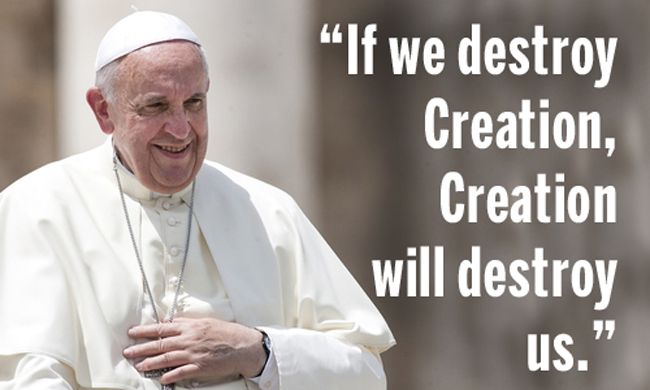
Photo:Pinterest
On this day, Pope Francis reflected on the Biblical significance of Jubilee in light of restorative justice.
As the Pope writes in his message, “In some ways, the current pandemic has led us to rediscover simpler and sustainable lifestyles. The crisis, in a sense, has given us a chance to develop new ways of living. Already we can see how the earth can recover if we allow it to rest: the air becomes cleaner, the waters clearer, and animals have returned to many places from where they had previously disappeared. The pandemic has brought us to a crossroads. We must use this decisive moment to end our superfluous and destructive goals and activities, and to cultivate values, connections and activities that are life-giving. We must examine our habits of energy usage, consumption, transportation, and diet. We must eliminate the superfluous and destructive aspects of our economies, and nurture life-giving ways to trade, produce, and transport goods.”
This decisive moment
In his message, the Pope notes that “the pandemic has brought us to a crossroads”. “We must use this decisive moment,” he says, “to end our superfluous and destructive goals and activities, and to cultivate values, connections and activities that are life-giving.” “We must examine our habits of energy usage, consumption, transportation, and diet. We must eliminate the superfluous and destructive aspects of our economies, and nurture life-giving ways to trade, produce, and transport goods.”
Listen to the land and creation
The Pope reminds us that “we cannot live in harmony with creation if we are not at peace with the Creator who is the source and origin of all things”. The Jubilee is a time for thinking once again of our fellow human beings, especially the poor and the most vulnerable, to share the common heritage of creation in a “spirit of conviviality, not in a competitive scramble but in joyful fellowship, supporting and protecting one another”.
The Jubilee is also a time to listen to the land, to hear the voice of creation and return to our rightful place in the natural created order, remembering that we are part of this interconnected web of life, not its masters.
“The disintegration of biodiversity, spiralling climate disasters, and unjust impact of the current pandemic on the poor and vulnerable,” the Pope says, are a “wakeup call in the face of our rampant greed and consumption”.
A jubilee, the Pope says, is a time to set free the oppressed such as the indigenous people who face injustice and others who are subjected to various forms of modern slavery, such as trafficking in persons and child labour.
Debt cancellation
Stressing that the Jubilee is a time for “restorative justice”, the Pope renews his “call for the cancellation of the debt of the most vulnerable countries, in recognition of the severe impacts of the medical, social and economic crises they face as a result of Covid-19”.
This also calls for ensuring that the recovery packages being developed and deployed at global, regional and national levels be regeneration packages. Policy, legislation and investment must be focused on the common good and guarantee that global social and environmental goals are met.
Restoring the Earth
Alarmed by the climate emergency, the Pontiff warns that “we are running out of time”, and unless we take action it “will prove catastrophic, especially for poor communities around the world”. He thus invites all nations to adopt more ambitious national targets to reduce emissions.
Lamenting the unprecedented loss of species and degradation of ecosystems, he urges for “restoring the earth to be a home of life in abundance, as willed by the Creator”.
Indigenous rights
The principle of “restorative justice”, the Holy Father continues, calls for restoring the right of indigenous communities to regain control of the usage of the land on which they have lived for generations.
“Indigenous communities,” he says, “must be protected from companies, particularly multinational companies, that ‘operate in less developed countries in ways they could never do at home”, through the destructive extraction of fossil fuels, minerals, timber and agroindustrial products.”
He denounces as a “new version of colonialism” the corporate misconduct of shamefully exploiting poorer countries and communities that are desperately seeking economic development.
Joining hands
The Pope admits, “We are aware that the cries of the earth and of the poor have become even louder and more painful in recent years.” Yet it is a reason for joy to witness how the Holy Spirit is bringing individuals and communities around the world together to rebuild our common home and defend the most vulnerable.
Young people, communities and indigenous communities are on the frontlines in responding to the ecological crisis. They are calling for a Jubilee for the earth and a new beginning, aware that “things can change”.
The way the “Laudato Si’ Special Anniversary Year” is unfolding is another reason to rejoice. The numerous initiatives at local and global levels for the care of our common home and the poor during the year, the Pope says, should lead to long-term action plans to practise integral ecology in our families, parishes and dioceses, religious orders, our schools and universities, our healthcare, business and agricultural institutions, and many others as well.
Faith communities are coming together to create a more just, peaceful and sustainable world, and the Season of Creation is becoming a truly ecumenical initiative.
Please follow the links below to read the full text of Pope Francis' "Message for the World Day of Prayer for the Care of Creation."
“Pope: peace with Creator, harmony with creation”
'Creation Is Groaning!': Pope Francis Denounces Endless Growth, Humanity's Assault on Nature
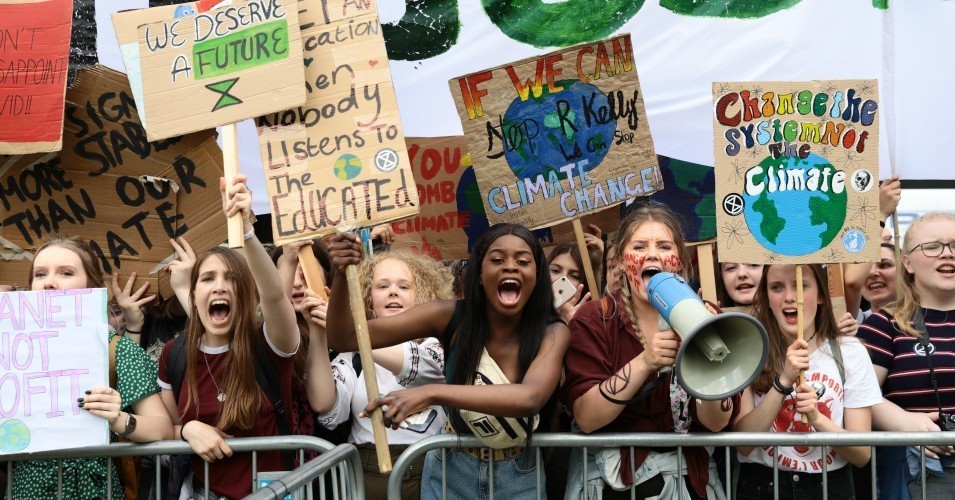
"We are running out of time" to act on the climate emergency, "as our children and young people have reminded us,"
Pope Francis said in a message Tuesday. (Photo: Dan Kitwood/Getty Images), Via Common Dreams
‘Pope Francis on Tuesday railed against humanity's exploitation of natural resources and pursuit of endless growth as he urged people across the world to act with the urgency young people worldwide have demanded to protect the Earth and build back better from the coronavirus pandemic.
The pope's call came in a written message to mark the World Day of Prayer for the Care of Creation and in which he urged people to view the "disintegration of biodiversity, spiraling climate disasters, and unjust impact of the current pandemic on the poor and vulnerable" as "a wakeup call in the face of our rampant greed and consumption."
"Our constant demand for growth and an endless cycle of production and consumption are exhausting the natural world," he said. "Forests are leached, topsoil erodes, fields fail, deserts advance, seas acidify, and storms intensify. Creation is groaning!..."-Continue to read
......
Related Articlers:
The Gift of Creation as God’s Love Story
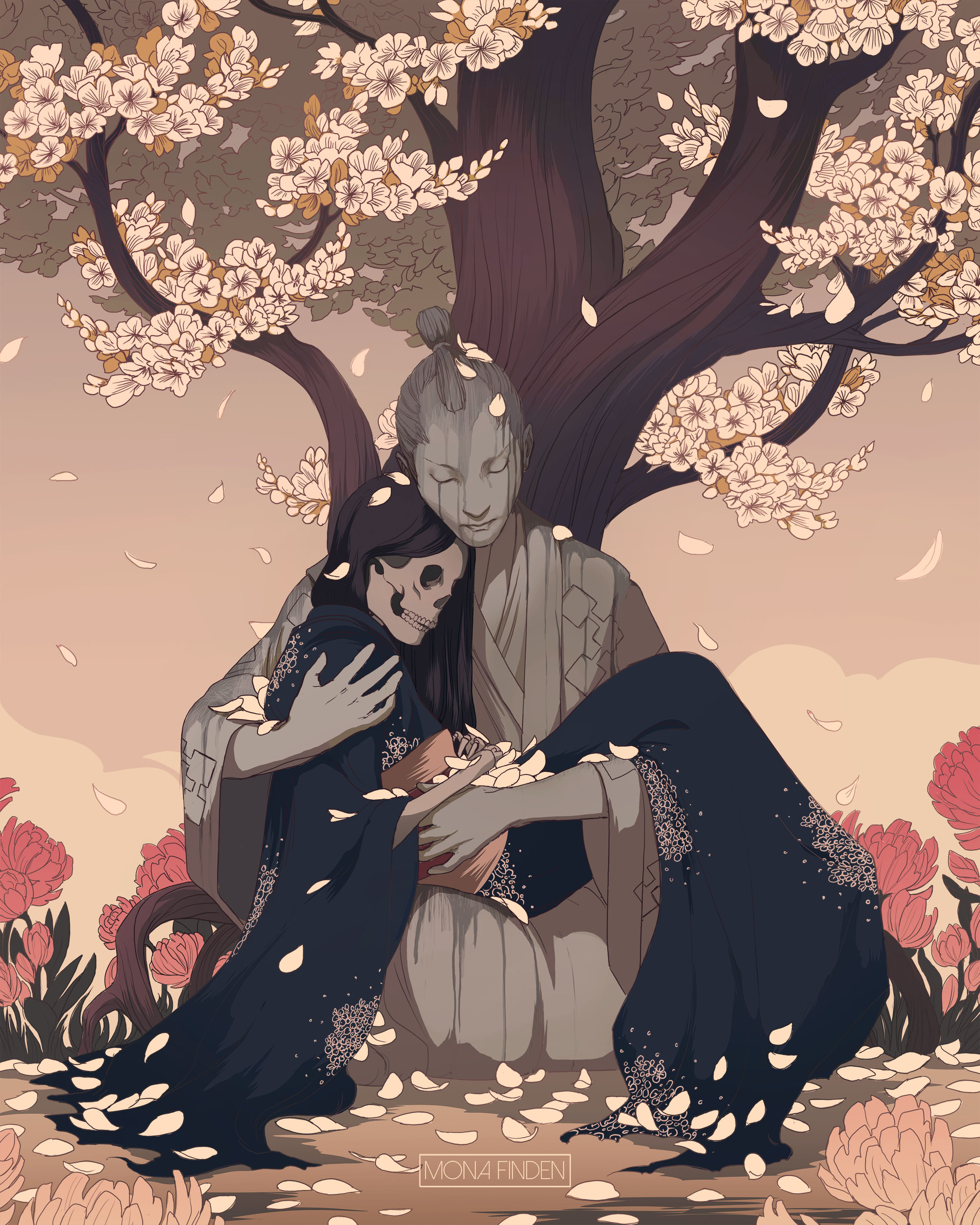
A forgotten love story by Mona Finden
God’s Love Story: Pathways to Healing
The world has never been so fragmented and in pain. This is why, to my mind,
the time is now to rekindle ourselves with God’s Love Story
‘Open our minds and touch our hearts, so we may be attentive to Your gift of creation’
Mother Earth is Crying: A Path to Spiritual Ecology and Sustainability
Mother Nature Crying: Fools and Heartless those who do not see the tears
Unbridled capitalism is the 'dung of the devil'- Pope Francis
Economic Growth: The Index of Misery
Death and Destruction on Brothers’ Road to Serfdom
A Franciscan Environmental Restoration Path Engaging the Youth in Climate Change Adaptation
Spirituality and Environmentalism: Healing Ourselves and our Troubled World
Why should we all become mother nature and sacred earth guardians
In this troubled world let the beauty of nature and simple life be our greatest teachers
On the 250th Birthday of William Wordsworth Let Nature be our Wisest Teacher
In Search of a Better Tomorrow: Reasons for Hope In Times of Uncertainty
The healing power of ‘Dawn’ at this time of coronavirus crisis
Poetry is the Education that Nourishes the Heart and Nurtures the Soul
To Heal the World and People We Need to Save the Commons from Plunder
World Transformation and the Youth: Youth to Make the World Great Again …
The Youth of the World: Their voices will be heard …
The Youth for the Common Good to Build a Better World …
Nature the Best Teacher: Re-Connecting the World’s Children with Nature
Oxford Theology Society Lecture: Values to Make the World Great Again
......
Humans exploiting and destroying nature on unprecedented scale
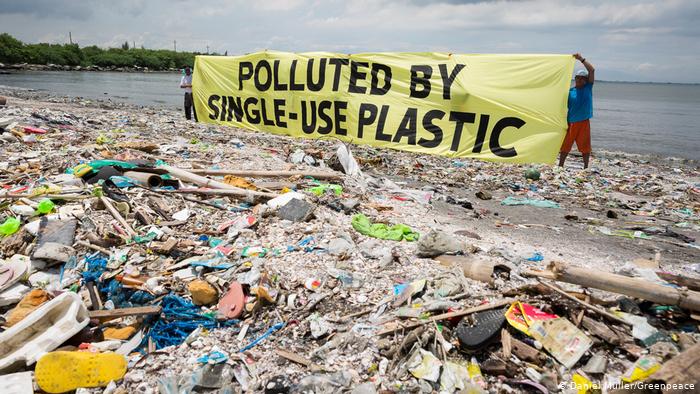
Volunteers with Greenpeace Philippines clean up a heavily polluted beach in Manila
Animal populations have plunged an average of 68% since 1970, as humanity pushes the planet’s life support systems to the edge
'Wildlife populations are in freefall around the world, driven by human overconsumption, population growth and intensive agriculture, according to a major new assessment of the abundance of life on Earth.
On average, global populations of mammals, birds, fish, amphibians and reptiles plunged by 68% between 1970 and 2016, according to the WWF and Zoological Society of London (ZSL)’s biennial Living Planet Report 2020. Two years ago, the figure stood at 60%.
The research is one of the most comprehensive assessments of global biodiversity available and was complied by 134 experts from around the world. It found that from the rainforests of central America to the Pacific Ocean, nature is being exploited and destroyed by humans on a scale never previously recorded.
The analysis tracked global data on 20,811 populations of 4,392 vertebrate species. Those monitored include high-profile threatened animals such as pandas and polar bears as well as lesser known amphibians and fish. The figures, the latest available, showed that in all regions of the world, vertebrate wildlife populations are collapsing, falling on average by more than two-thirds since 1970...'- Continue to read
- Details
- Written by: Kamran Mofid
- Hits: 3820
28 August 1963
A Call for Justice and a Call for the US to Act Righteously
57 years after Martin Luther King Jr.’s historic “I Have a Dream” speech in Washington, D.C., racial equality in the US or for that matter around the world, remains an elusive goal.
Much remains to be done, and thus, we must carry on imagining the dream until the dream comes true.
I offer this in honour of Black History Month
'I have a Dream’: 'it's a flame that still burns'
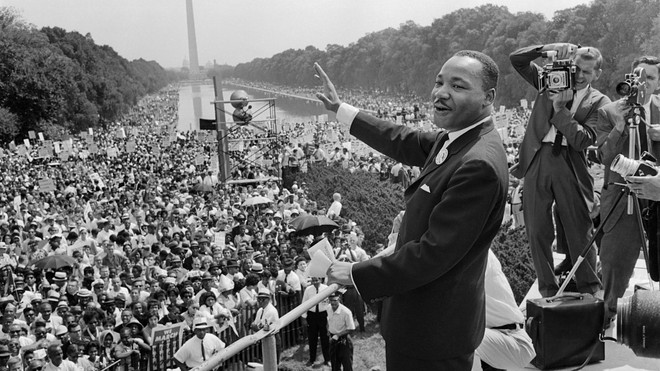
The civil-rights leader the Rev. Martin Luther King Jr. waves to supporters on Aug. 28, 1963,
on the Mall in Washington, D.C. AFP/GETTY IMAGES
Imagining the Dream: "So even though we face the difficulties of today and tomorrow, I still have a dream."…
"The whirlwinds of revolt will continue to shake the foundations of our nation until the bright day of justice emerges. Let us not seek to satisfy our thirst for freedom by drinking from the cup of bitterness and hatred.”
- Details
- Written by: Kamran Mofid
- Hits: 1633

Photo: Amazon UK
'Why it’s sensible to be silly'*
Elle Hunt Via The Guardian/Observer
‘In this strange in-between time, half in, half out of lockdown, I now realise that cultivating a sense of the absurd might be crucial to weathering the uncertainty of the weeks and months to come. Silliness does not have to deny the gravity of the situation – but it can help you get through it.’
‘By the fifth week of lockdown, I had mastered the art of silliness. My flatmates and I had drawn smiley faces on fruit, stuck googly eyes on vegetables and dressed up as our favourite pop stars. On social media I noticed similar responses to the “unprecedented” times we found ourselves in: parents jumping in on their children’s TikTok dance challenges, people dressing up in black tie or costumes to take out the bins. I’d chalked it up as cabin fever, but even in this more relaxed phase of lockdown, with some of our pre-pandemic pastimes back on the agenda (albeit in adapted form), the spirit of silliness endures in my flat. It turns out that playfulness is, in fact, a distinct personality trait, like extroversion or conscientiousness – and those who possess it in adulthood may be more resilient.
In this strange in-between time, half in, half out of lockdown, I now realise that cultivating a sense of the absurd might be crucial to weathering the uncertainty of the weeks and months to come. Silliness does not have to deny the gravity of the situation – but it can help you get through it.
Humour, in general, is well established to be beneficial in coping with stress and adversity. Dr Nick Kuiper, a professor emeritus of clinical psychology at the University of Western Ontario, who has been researching humour for more than 30 years, says it can function as a reframing mechanism, creating psychological distance from a negative event. “Past research has shown that those high on a coping measure of the use of humour can see potentially stressful events in a less threatening manner, and as more of a positive challenge,” says Kuiper.
But more than an appreciation of comedy or jokes, it is what might be termed silliness that I have found myself leaning on over the past few months – a kind of contriving whimsy for whimsy’s sake, that could easily be dismissed as juvenile in adults – especially in those without young children themselves.
‘On social media, people are dressing up in black tie to take out the bins.’
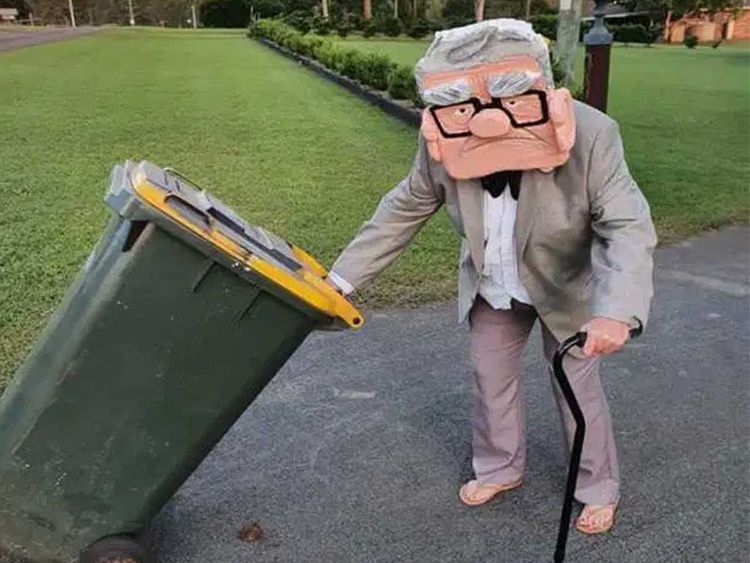
Photo: Gulf News
For millennials like me, a proclivity for fancy dress, theme parks or ball pits might be held up as evidence of an extended childhood, a social media obsession, or a failing with personal finance. But as philosophy professor John Morreall has written, historically all humour has been framed negatively. Plato and Aristotle, for example, discouraged laughter as an expression of scorn, as do certain verses in the Bible. Prior to the 20th century, few philosophers or psychologists even mentioned that humour is a kind of play, or saw the benefits in such play, wrote Morreall.
While a century of study of humour has come to view the trait as a character strength, silliness itself is still not considered entirely positive. According to the OED, the word “silly” has evolved to have a range of mostly negative meanings from its original sense of “happy, blissful, lucky or blessed” in old English, to “innocent”, “harmless” and “pitiable”. Today there is usually some judgment attached, though the precise meaning is unclear.
“Everybody’s silly at some time, it’s just that it’s not identical,” says Dr Janet M Gibson, a professor of cognitive psychology at Grinnell College, Iowa.
In researching 800 papers on the psychology of humour, Gibson came across no evidence that it was a sign of immaturity. “When I grew up, ‘silly’ was an insult. But psychologists don’t seem to have thought that it was immaturity that caused silliness.” She suggests that silliness is not negative, but inappropriate displays of it are received as such: “It takes a lot of social intelligence to know when you can be silly.”
Some people find it harder than others to switch between playful and goal-oriented states. Rather than playfulness being a stage we grow out of, research has shown it to be – to a greater or lesser extent – part of our personalities, determining how receptive to it we remain through our lives.
Dr René Proyer, a professor of psychology at the Martin-Luther University Halle-Wittenberg in Germany, says playfulness is a personality trait, akin to the “big five”: agreeableness, conscientiousness, openness to experience, emotional stability and extroversion. Playful people generally score higher on the last three, but Proyer found the trait could exist independently.
Playfulness is also “psychologically different” from humour, he adds. “Though there is overlap, you can be playful without being humorous… You might just enjoy the activity.”
That is supported by Proyer’s findings that playful people act out their propensity day-to-day, and that they generally prefer partners who do the same. He gives the example of one person surprising the other (say, by sticking googly eyes on a squash): “He or she may laugh – but there may just be the feeling of surprise or joy.”
Proyer has found four basic types of playful adults: “other-directed”, who prefer to play with others; “light-hearted” people, who “regard their whole life as a type of game”; those who are “intellectual”, amusing themselves with thoughts, ideas and their own challenges; and, finally, the “whimsically playful”, who are entertained by unusual or “small day-to-day observations”.
All of these may be present in one individual, to a greater or lesser degree. (I identify myself as whimsi-intellectual and one of my flatmates as all four, turned up to the max.) “I don’t think that there are many people who aren’t playful at all, in any of these dimensions,” says Proyer. “The way you personally express your playfulness can be different at work, in your leisure time, in your private life.”
It can function as an approach to problem-solving, managing relationships, presenting information or even conflict negotiation. When Proyer’s five-year-old daughter refused to eat her lunch, the compromise reached was to sit not at the table but beneath it: “terrible for adult backs,” says Proyer, “but it worked.”
His research has found playful adults to be observant and good at innovation and problem-solving, able to see from different perspectives and to find interest in even monotonous tasks. As Proyer sees it, it is a positive trait – though he agrees that there may need to be new vocabulary for it to be appreciated as such. (In German, he notes, even the word for “playfulness” has the same negative connotations that “silly” has in English; while “silly” itself translates to mean “stupid”.)
‘For me, playfulness has been a sort of stress relief, pushing the limits of good sense.’
For me, playfulness has been a sort of stress relief, pushing the limits of good sense and our housebound reality. It is telling that my flatmates and I plumbed new depths of silliness at the party we threw to mark six weeks of lockdown, popping balloons with skewers in our mouths and our hands tied behind our backs.
Had you found yourself at such a party, you would have been justified in leaving immediately. But it is those moments of levity, no matter how contrived, that stand out in my memory of lockdown so far, marking not only the passage of time but our mastery of it – if only in the smallest, inconsequential domains.
New York Times writer Molly Young described her quarantine experiments with sleeping in places other than her bed, working from her floor, and eschewing clothing and cutlery “just to see what it was like”. Through these “minor acts of norm-shedding”, Young wrote, she was able to warp reality, creating a new one where she had total autonomy. I recognise the impulse. Silliness can be self-protective; a way of eluding an “unprecedented” challenge instead of caving into it. Radio 1 Breakfast host Greg James described his job to me last year as generating “fun for fun’s sake” against a backdrop (even then) of toxicity and fear, saying: “Isn’t it a great time to be silly?”
To play is to bend limits rather than rally against them and maybe, in doing so, find unexpected room to move. It is in essence freedom, if only illusory – and there can be relief in that, too. “That willingness to do silly things, to be playful, can be like saying, ‘We’re going to relax the constraints of the world,’” says Gibson.
Lockdown may have eased but we have a long way to go before anything like normality returns. For as long as we are in this limbo, I am happy to hang on to that funhouse-mirror lens I found in lockdown, and make space for silliness. It can be liberating to look into the abyss – and find a pair of googly eyes looking back.’- *This article was first published in The Guardianon 23 August 2020
Read more:
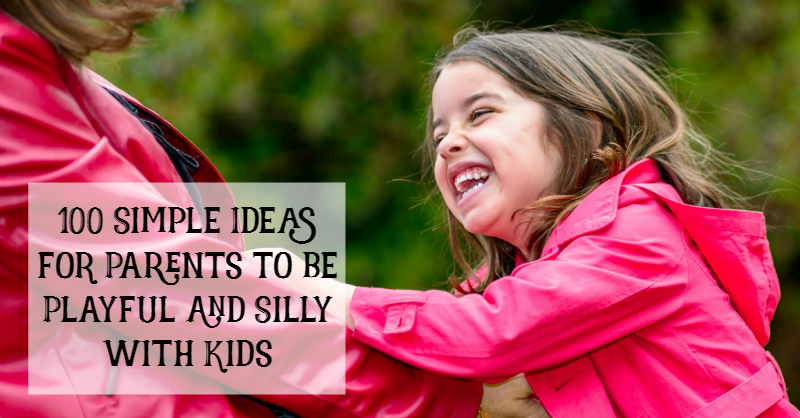
Photo: A Fine Parent
100 Simple Ideas for Parents to be Playful and Silly with Kids
7 Psychological Benefits of Playfulness for Adults
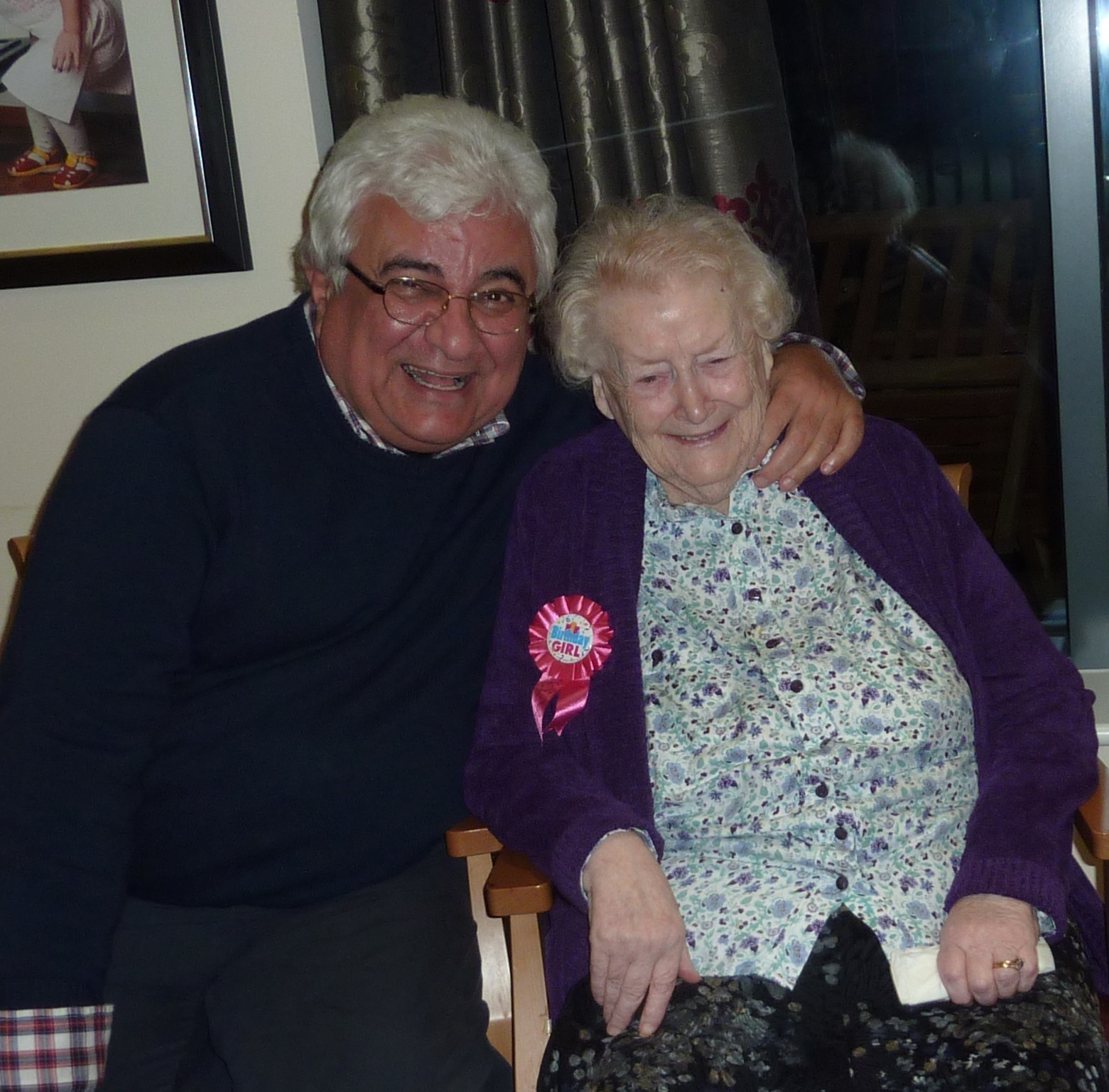
In Praise of Laughter and Joy in these Dark and Uncertain Times
- ‘Why is there so much inequality in the country?’: This is how to dream to build a better and fairer world
- Pity Mr. Marvell who believed in crackpots' remedies
- What Is Life? What a Moving Story- Sir Paul Nurse
- A timeless story: ‘The poet and the world’
- Reflecting on Life: My Childhood in Iran where the love of poetry was instilled in me